Protocol Archives • Browse all Documentary titles in HD
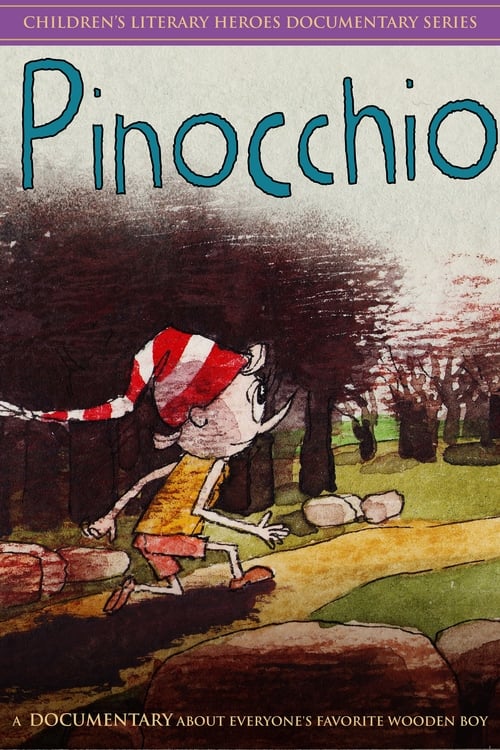
An fun and in-depth look at Carlo Collodi's children's novel The Adventures Of Pinocchio, and how it has endured as a literary classic for over a century.

Pros and cons of private life going public
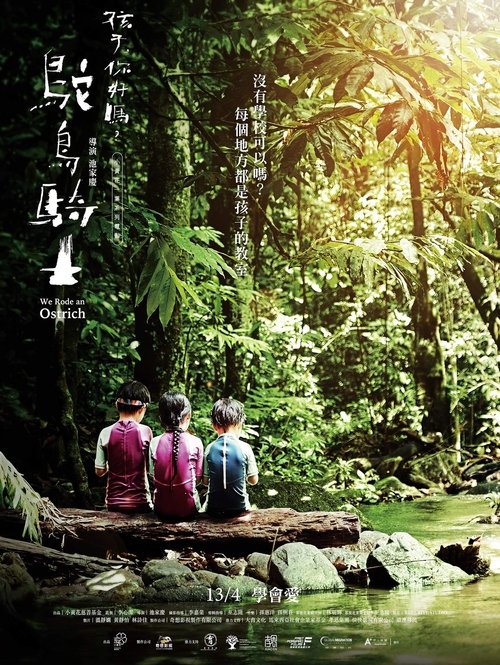
"Homeschooling" was originally popular in the United States and other Western countries as a way for parents to manage their children`s education at home. Its flexibility promotes the growth of children to become very individualised. Two families with different backgrounds share about their homeschooling journey.

The Story of X takes you to the earliest days of adult films when men peddled stag reels and projectors out of the trunks of their cars, then through the movie house years to the arrival of the home video business, and now the Internet. Meet the men behind the camera, such as "King of Sexploitation" Dave Friedman and the preeminent breast man Russ Meyer. Considered pariahs at the time, they're now hailed as pioneers in the fight against censorship. The Story of X visits the 60s when women's rights, not nudity, became the issue and recounts porn's arrival in Hollywood, led by director Bernardo Bertolucci's Last Tango in Paris. In the 70s, several groundbreaking films, including Behind the Green Door featuring Marilyn Chambers and Deep Throat featuring Linda Lovelace, took the genre to a new level.
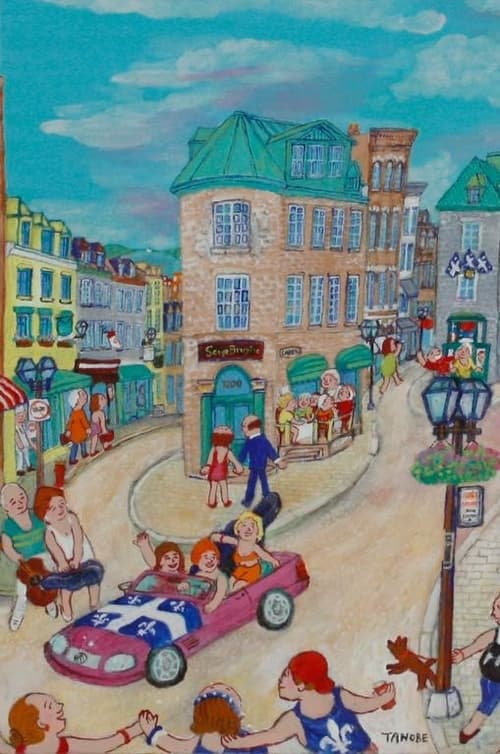
This documentary short is a portrait of Miyuki Tanobe, a Japanese painter who has chosen to make Québec her home. She works in the Nihonga style, applying centuries-old techniques to scenes drawn directly from the working-class neighborhoods of Montréal. The film records the progression of one of her paintings from preliminary sketch to completion.
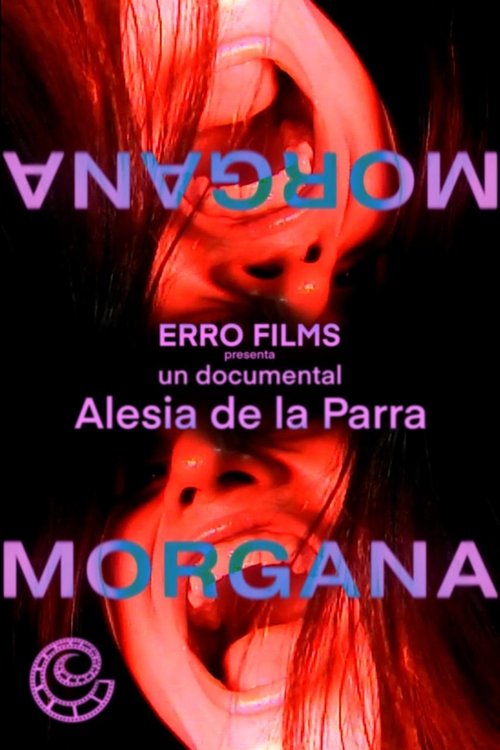
Morgana is a filmmaker who has found in experimental cinema a powerful voice capable of encapsulating the most abstract notions of her identity, unfolding in an amalgam of textures, colored lights, and wildly extravagant music. An intimate portrait of a filmmaker, but above all, a dear friend.
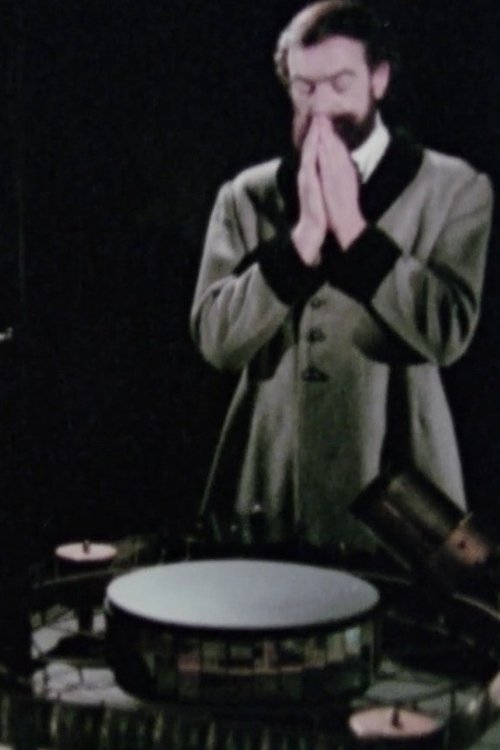
The 8th short film as part of the Magica series dealing with pre-cinema. Fictionalised documentary about Emile Reynau who invented the praxinoscope and its system of central mirrors. He then projects his paper strips into the projection praxinoscope before creating the Théâtre Optique, presented at the Musée Grévin. The perforated strips are fragile and often break. The show is cancelled. Reynaud tries to apply photography to his praxinoscope, but without success. Desperate and ruined, he throws his strips into the Seine. Only two survived.
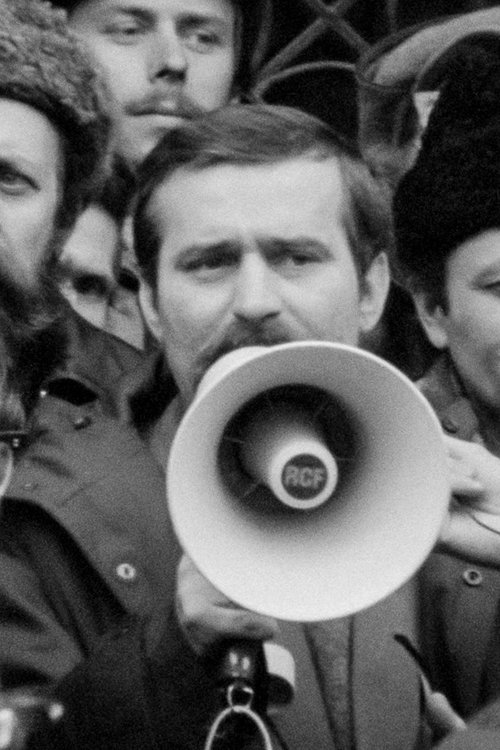
At the turn of 1980/81, the peasants joined the workers' movement and they voiced their demands. As a result, they’ve registered the Independent Self-Governing Trade Union of Individual Farmers ‘Solidarity’.
In the year following the 9/11 terrorist attacks, young journalist Claude Baechtold finds himself in the war zone of Afghanistan. Not entirely voluntarily, the avowed anti-militarist is dragged by two fearless reporters on a round trip through the entire country.
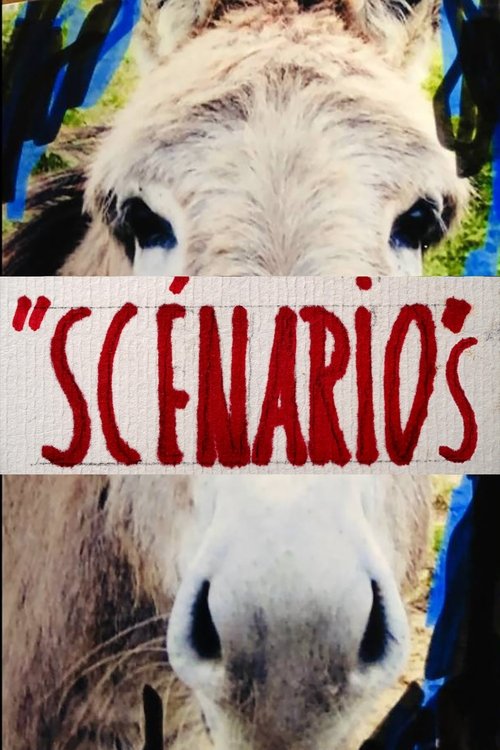
In French, "scénario" is cinema's name for how it tells stories. This is the title Jean-Luc Godard chose for his final film, which was literally completed the day before his self-death. The two segments of this film open with a series of identical sequences. The second segment then diverges and ends on a self-portrait of Jean-Luc Godard -his last images- sitting on his bed, bare-chested, he hides none of the wear on his body in the manner of Pigalle's sculpted portrait of Voltaire. "Scénarios" ends as it began, with a repetition, the figure of eternal return, the moment where time, which has been the great -if not unique- question of cinema, will have ceased to flow.
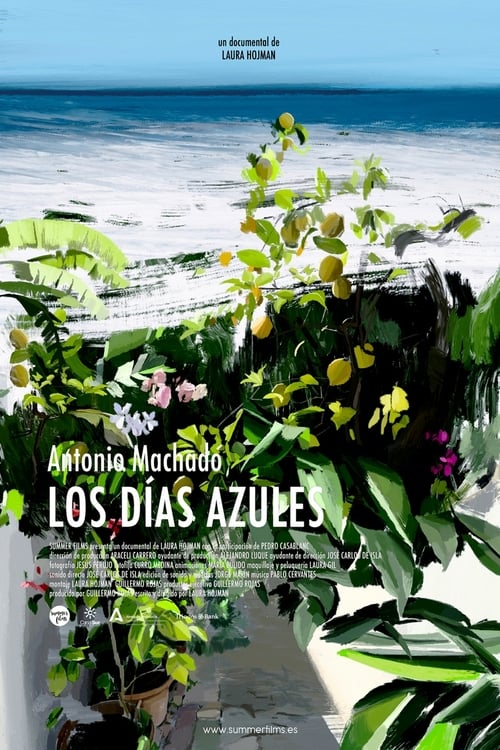
Documenting the world of the famous Spanish poet Antonio Machado, including the places where he lived and worked.
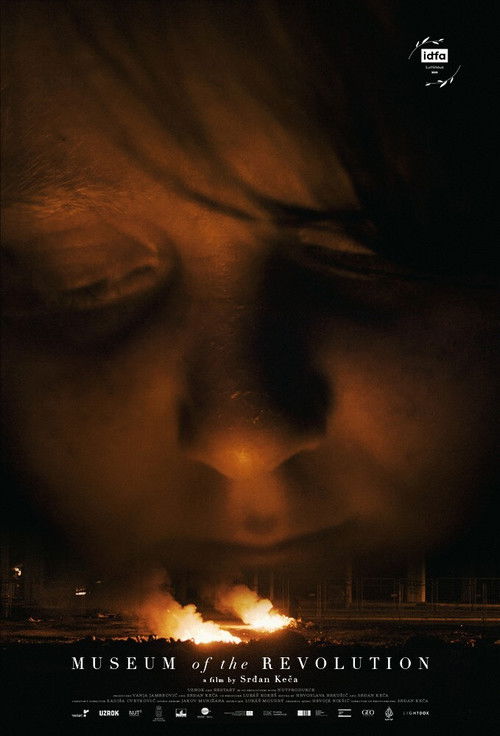
The Museum of the Revolution in Belgrade is actually a building that remained unfinished for 60 years and 'inhabited' only by the homeless and marginalized. The director observes the precarious (but proud) daily life of a girl and her mother around the symbolic ruins of a utopia.

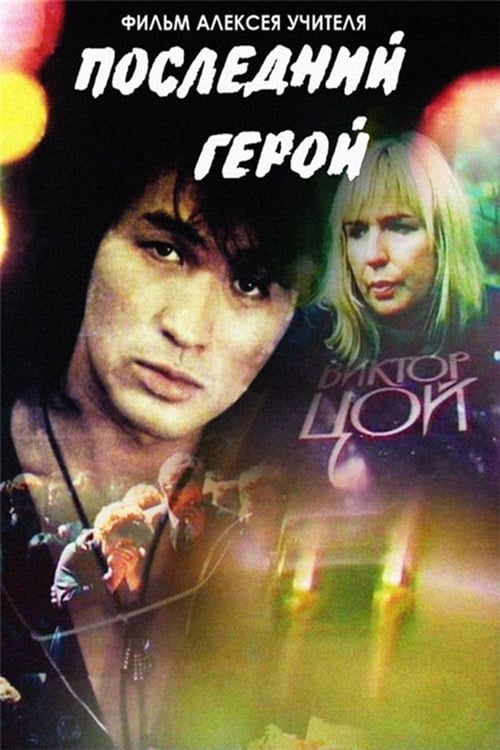
The portrait of the creator of the Kino group, consisting of the thoughts and memories of people who loved him, appears before the audience as a musical prophecy of a talented artist about his own life.
After concluding the now-legendary public access TV series, The Pain Factory, Michael Nine embarked on a new and more subversive public access endeavor: a collaboration with Scott Arford called Fuck TV. Whereas The Pain Factory predominantly revolved around experimental music performances, Fuck TV was a comprehensive and experiential audio-visual presentation. Aired to a passive and unsuspecting audience on San Francisco’s public access channel from 1997 to 1998, each episode of Fuck TV was dedicated to a specific topic, combining video collage and cut-up techniques set to a harsh electronic soundtrack. The resultant overload of processed imagery and visceral sound was unlike anything presented on television before or since. EPISODES: Yule Bible, Cults, Riots, Animals, Executions, Static, Media, Haterella (edited version), Self Annihilation Live, Electricity.
From the testimonies of Zé Celso himself, and excerpts from the play "Walmor Y Cacilda 64 - Robogolpe", which contains autobiographical elements, as well as from essays and scenes from older pieces by him, it is possible to know a little more about the life of the irreverent author. Playwright, director, actor and musician, Zé Celso began his career in amateur theater while still a student at the end of the 1950s. He "ate" the work of Oswald de Andrade and as an anthropophage, was one of Tropicália's founders.
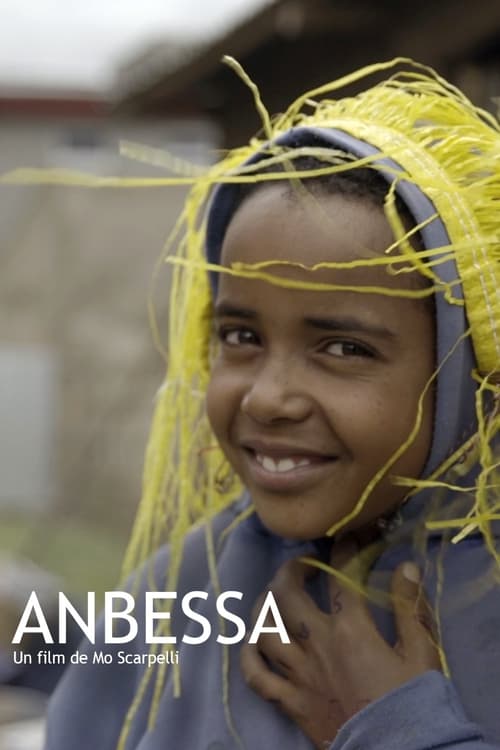
Asalif and his mother defy Ethiopia’s omnipresent modern housing development culture, by continuing to live a life characterised by proximity to nature and rootedness in community. The boy counters the ruptures in his accustomed surroundings and the threat posed by the hyena that haunts his neighbourhood by reinventing himself as a hero: as Anbessa, the lion.
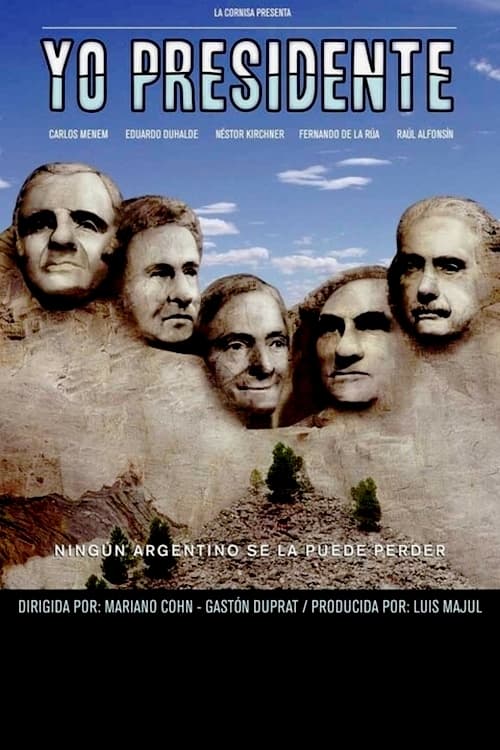
Documentary based on original and personal interviews with Argentine presidents since the return of democracy in 1983 where they speak direct to camera and in the foreground, their mandate, their privacy and country.

Exposing the darker side of America's most beloved TV shows with untold stories from past participants and new original reporting.
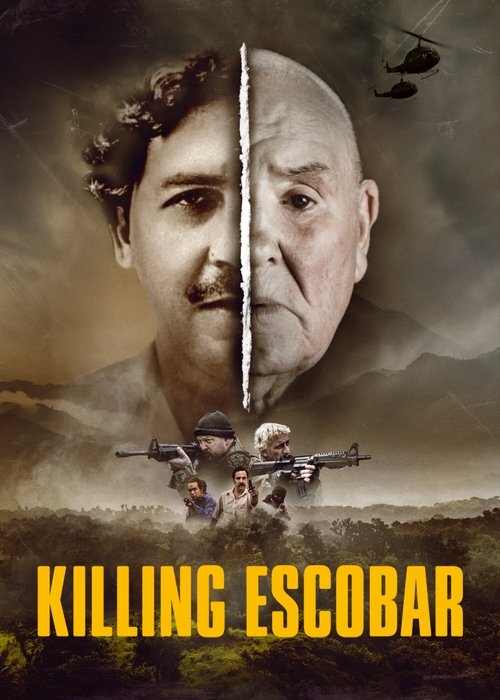
The untold story of the attempted assassination of Pablo Escobar, while at the height of his powers, by a small team of elite mercenaries.
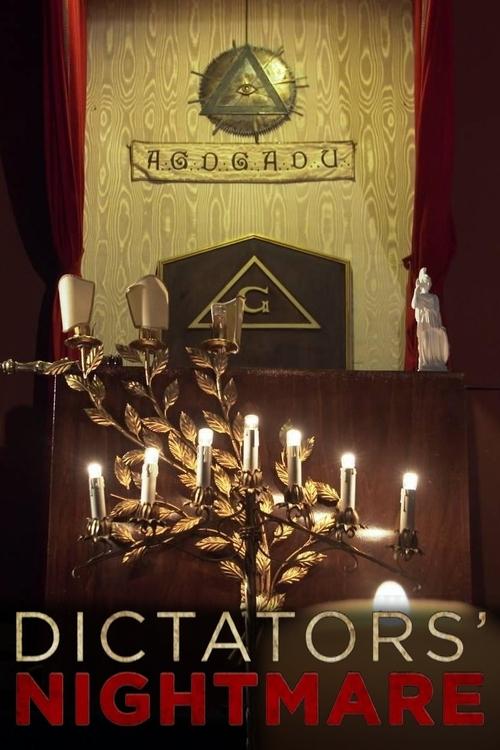
Hitler, Mussolini and Franco had an aura of invincibility. However, an obsession haunted their lives: the existence of a Masonic conspiracy against them. What were Freemasons plotting in their temples? Considered a foe to the dictatorships of the 20th century Freemasonry was outlawed and Freemasons persecuted throughout Europe, with the blessing of the Catholic Church. How to survive the wrath of dictators? We will tell the untold story of World War II seen through the eyes of history's most famous secret association.
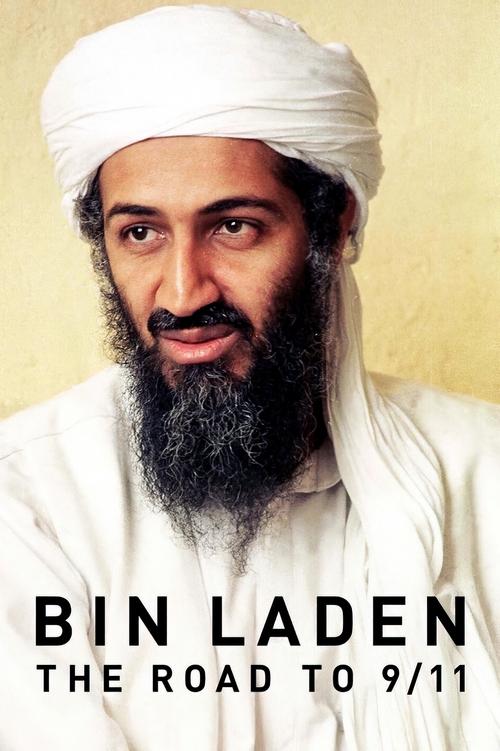
From the shy, quiet son of a billionaire to global terrorist mastermind - a never-before-seen version of Bin Laden's rise to global infamy, featuring close eyewitness accounts.
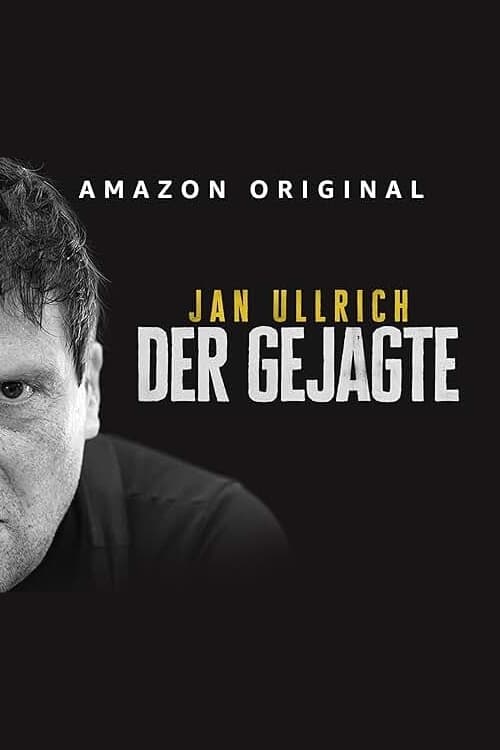
Jan Ullrich travels to the most important places in his life, openly discussing his life's journey, his successes and downfalls.

Thalia takes audiences on a musical journey, uncovering the classics that inspired generations of artists and created the current Latin music landscape seen today. Through a combination of interviews, found footage and modern renditions of classic hits by today’s biggest stars, the series revisits the history of Latin music and uncovers the future of the genre in an intimate way not yet seen before.
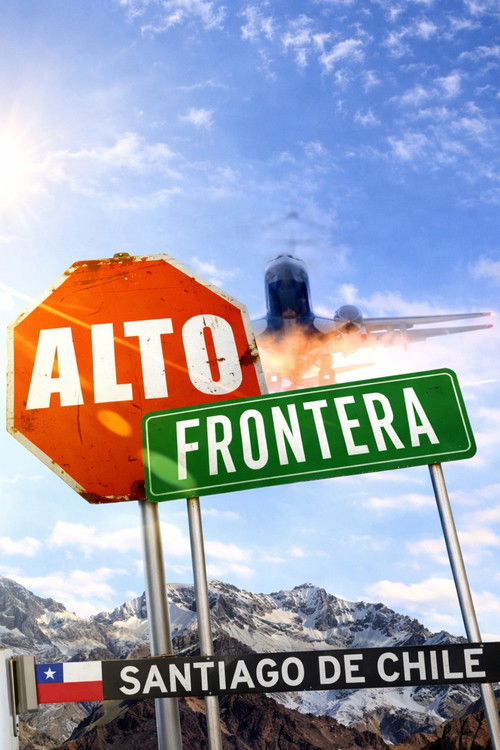
From bustling airports to remote crossings, this series uncovers the high-risk world of border security at Arturo Merino Benítez International Airport, also known as Santiago International Airport and Nuevo Pudahuel Airport, where every bag, every traveler, and every decision could change everything.
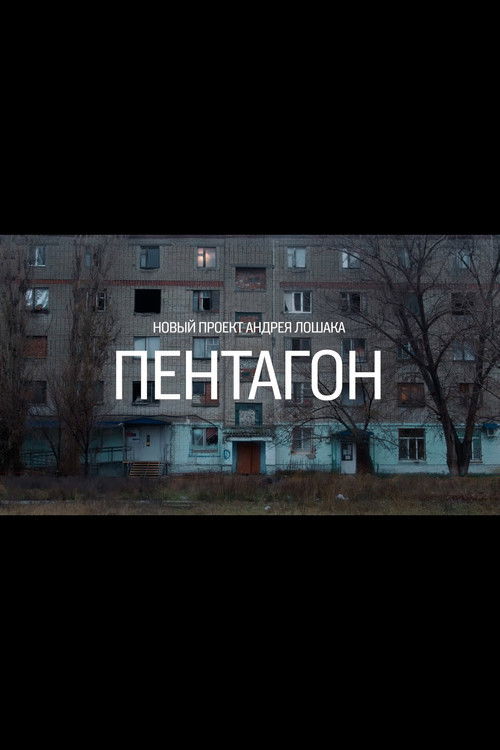
The “Pentagon” is called an emergency house in Novouzensk, Saratov region, Russia, without heating and sewerage. For six months, Andrei Loshak and the film crew watched people who “do not live, but survive.” The documentary series “Pentagon” is a portrait of the poorest residents of Russia, who concluded an unspoken agreement with the state: you don't touch us, and we don't touch you. But then the war began...

A look into the lives of the movers and shakers who have shaped the story of modern Mumbai, with privileged access to people who have been instrumental in turning the city into a global powerhouse. Through personal stories set against the unfolding story of the past 30 years, this episode looks at the challenges and triumphs of a city and a country in the midst of extraordinary transformation.


Take an intimate journey with NBA rookie Ja Morant as he navigates the perils of the 2019–2020 season—not just a challenging year for live basketball, but for humanity. Apart from the suspension of his sport, the young point guard must grapple with a world utterly transformed by a global pandemic and the urgent call for racial justice. Guest stars include Carmelo Anthony, A’ja Wilson and more.
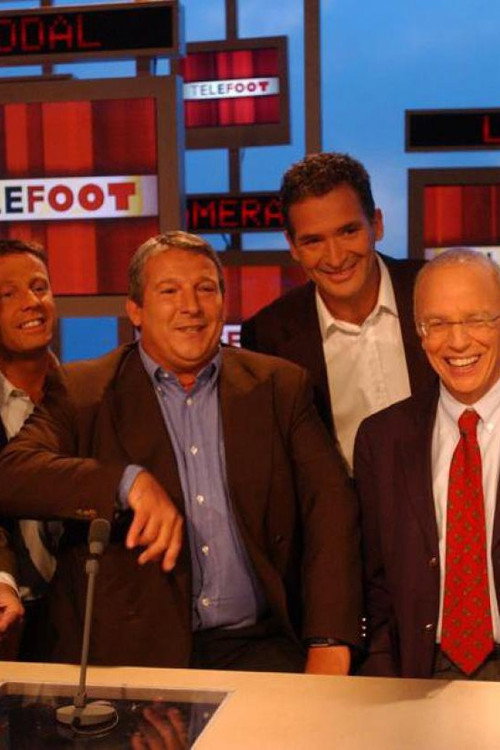
Téléfoot is a French football programme created by Pierre Cangioni and produced by TF1 Production for TF1.
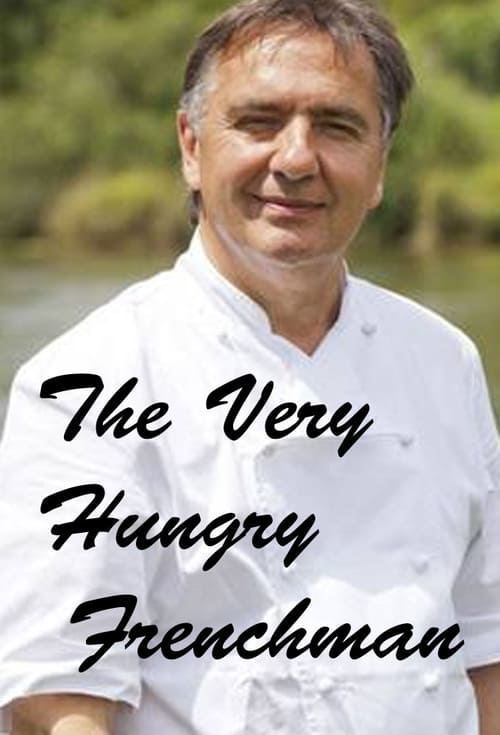
Raymond Blanc is Britain's most famous French chef, yet he has never cooked professionally in France. Forty years after leaving, Raymond is going back to show us the country he loves so much and the French recipes that have inspired him. In each episode he takes over a restaurant for one night only and cooks a feast inspired by that region's food.
Rugby Stories will highlight and bring to life a story from every club in the league, such as how clubs including Saracens and Leicester won a famous domestic or European title, or, overcoming adversity such as the threat of relegation in the case of Worcester Warriors.

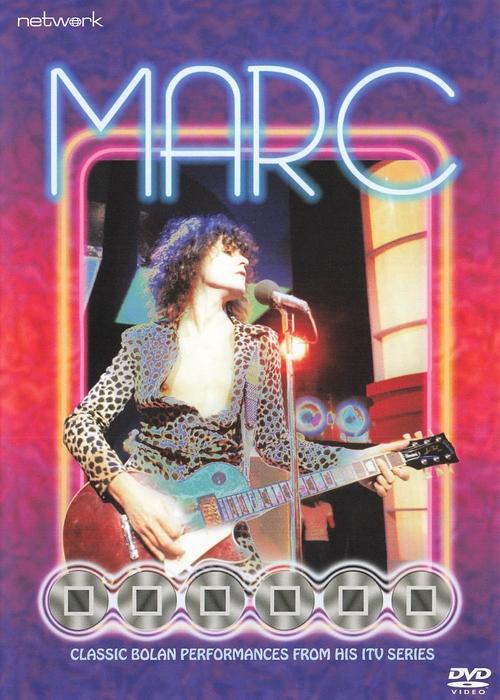
MARC was a British television series presented by T. Rex lead singer Marc Bolan. It was produced in Manchester by Granada Television for the ITV network. The last episode featured Bolan duetting with his friend David Bowie. Before the song had reached its end, Bolan tripped over a microphone cable and fell off the stage. Bowie is said to have called out "Could we have a wooden box for Marc [to stand on]?". The final show was recorded on 7 September 1977, but not broadcast until after Bolan's funeral on, which was also attended by David Bowie and Rod Stewart, among others.