Protocol Archives • Browse all Documentary titles in HD


An avant-garde omnibus that features works by off-the-wall artists in many different disciplines.

American Lawmen explores the first policing of railroads, the mafia, the Everglades and lawless outposts across America. American Lawmen is the stories of policing seen through the eyes of the brave few who first picked up a badge.

72 Hours: True Crime focuses on crime, specifically on the first 72 hours after a crime is committed, a critical time period for solving it. Rather than focus on fictional crimes, as do Law & Order and other TV shows elsewhere, True Crime depicted actual crimes that occurred throughout Canada, using dramatic reenactments and documentary-style footage of crime scenes.

The Hells Angels are the single most notorious motorcycle club in history. They’re also one of the most secretive organizations on the planet. Members are known to take revenge on each other for talking. Now, for the first time ever, a Hells Angels member will bare all the club’s secrets. A former angel will come clean. He’ll tell the world about everything from initiation rites to murder for hire.


When a 20-year-old attempts to win a fighter jet in a Pepsi sweepstakes, he sets the stage for a David versus Goliath court battle for the history books.

It is said that "the style of work reflects a person's way of life." This documentary program closely follows top-notch professionals and thoroughly delves into their work. Since its premiere in January 2006, it has observed individuals at the forefront of their respective fields, such as Ichiro (Major League Baseball player), Sayuri Yoshinaga (film actor), Haruko Niitsu (janitor), Ken Takakura (film actor), Kasumi Ishikawa (table tennis player), Hikaru Utada (singer-songwriter), Kumamon (local government employee), and Yoshiharu Habu (professional shogi player).

In our quest to separate fact from fiction, MythBusters has put hundreds of cars through extreme tests in the search for truth. We've gone from debunking extreme Hollywood car stunts to cooking steaks under the hood... and we've barely scratched the automotive surface. Motor MythBusters steers its attention to the questions and myths under the hood of every car lover's mind.

Rivaling fictional blockbusters like "Girl on a Train" and "Gone Girl," Investigation Discovery's "Married With Secrets" looks at when happily ever after goes horribly wrong. The series dramatizes the twisted psychological warfare of marriages, telling stories of seemingly perfect unions that turn nightmarish after husbands and wives embark on secret lives that take them down devastating paths. From secret sadomasochistic sex games to hit men for hire, there's no vow too sacred to break and no place too twisted to go for these spouses. And once skeletons come out of the closet, no one is safe.

Step inside the minds of the most innovative designers in a variety of disciplines and learn how design impacts every aspect of life.
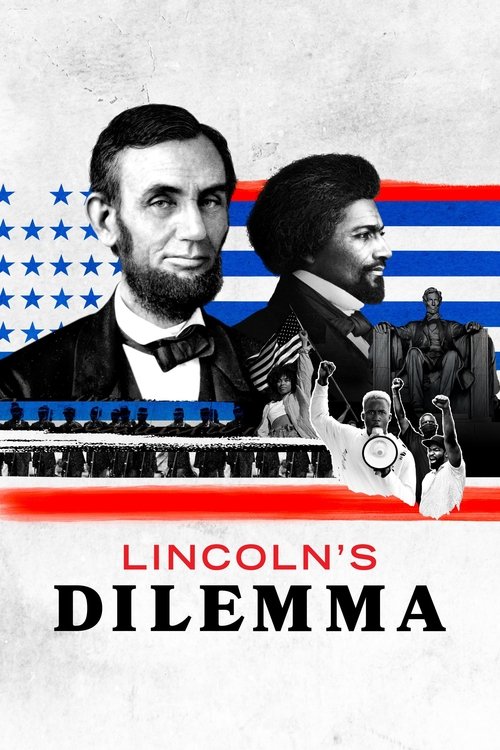
Discover a side of Abraham Lincoln you've never seen before. In this four-part docuseries, a diverse panel of historians and rare archival materials offer a more nuanced look into the man dubbed the Great Emancipator.

Discover the brilliant dancers and choreographers who are shaping the art of movement around the world in this documentary series.

Across five nights, Susan’s journey takes her to a different well-known resort every day as she enjoys all the fun of the seaside, with a few celebrity guests along to help her out.

Buried is a British television drama series, produced by World Productions for Channel 4 and originally screened in 2003. The programme starred Lennie James as Lee Kingley, who is serving a long prison sentence in order to protect a member of his family from a violent criminal. Critically well-received, the programme won the Best Drama Series category at the British Academy Television Awards in 2004.

Meet the Gold family. As owners of Detroit's biggest pawn shop, they've bought and sold things you can't begin to imagine. Every day brings new danger as the Golds operate in the heart of one of America's most troubled cities. With 50,000 sq ft of cash and goods surrounding them, there are millions to be made, but their profits come with huge risk.
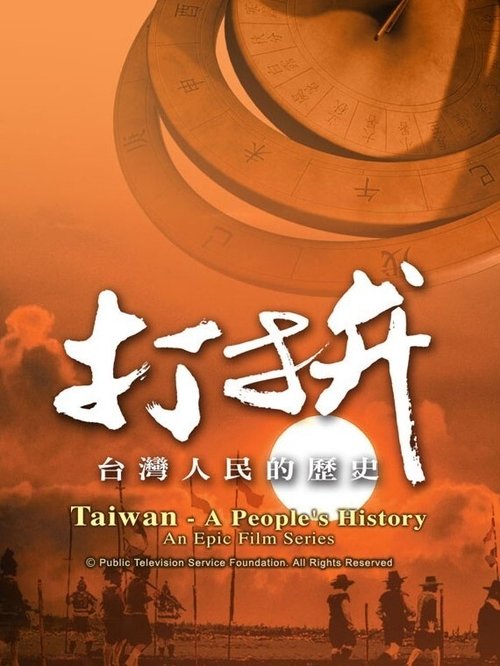
"Taiwan: A People's History" is a Taiwanese documentary directed and written by Fu Changfeng, starring Zhang Han, Zhu Luhao, and Qian Demen. From the perspective of the Taiwanese people, the film depicts the historical context of Taiwan's economic transformation, social development, and cultural transitions, from ancient times, the Spanish and Dutch colonial period, the Japanese colonial era, and the Republic of China. The production team recreated events such as Zheng Chenggong's landing at Luermen in Donggang, Yilan, and other places. Former Public Television Service Chairman Wu Fengshan stated that the work aims to convey the historical educational value of the "striving" spirit [1-2]. The program interprets the course of Taiwan's history from the perspective of Taiwanese people, allowing the people living on this land to better understand their own cultural roots.

Filmed simultaneously with ambulance crews across the West Midlands and the South West, this series shows in real time the range of cases paramedics attend to.

Relive the chart-topping hits, new music, and unforgettable moments from some of music's biggest artists. Don't miss a moment with Amazon Music Live—when the game ends, live music begins.

Initially an offbeat comedy exploring the quirky, seashell-obsessed culture of Southwest Florida, six weeks into filming, Hurricane Ian — one of the most destructive storms in U.S. history — devastates the region. As waters recede, the crew return to find a transformed landscape and story. What was once lighthearted now grapples with a deeper question: will the community's love for shells and the coastline survive the weight of its overwhelming grief, or will it find a way to heal and rebuild?

Margrét, a middle-aged office worker, wakes to see cows walking around downtown Reykjavík. When she arrives at her office, she realizes that she’s the only one who can see them. Chaos ensues when a cow appears in the cafeteria.

Follows a week in the life of New York-based Brazilian stand-up comedian Rafi Bastos, as he gets from a gig to another, showcases the American comedy scene and prepares his first special in Chicago.
Few films wield the awesome spiritual power of Jazz Dance, on which Leacock was one of two cameramen charting the slow, smoldering build of a Manhattan dance club from idle space to explosive, carnal bacchanal. Employing handheld cameras, limited light and sheer proximity, the film achieved an intimacy never before witnessed in a documentary.

Kwanxwala-Thunder recovers the history of the Kwakwaka’wakw and stitches it together with contemporary stories of football and potlach in Canada. This creative documentary intertwines Canadian history, indigeneity, colonial legacies, feminisms, and sport. Shot over the period of several years (2009-2015), Kwanxwala-Thunder constructs a portrait of Alert Bay through soccer. The film's impressionistic approach takes us through the incorporation of soccer into Kwakwaka'wakw culture despite its colonial arrival on the island while highlighting multiple generations of female soccer players.
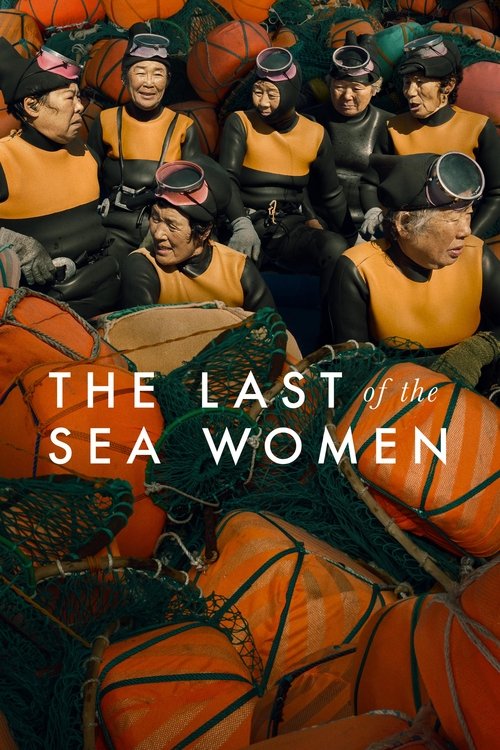
On the shores of Jeju Island, a fierce group of South Korean divers fight to save their vanishing culture from looming threats.
The film Crustaceans treats itself like an impressionist picture or a Japanese Haiku. Crustaceans is a matter of reflection on an instance in life with the social-economical crisis as a landscape. The heartbreak in times of crisis. The film was filmed as demonstrations in the streets against crisis and social welfare cuts took place. For two years, it filmed street demonstrations and incorporated actors in the social landscape. The result, is a film in which the collective and the intimate come together. Both the characters and the people in the street, like identical crustaceans, take to the street to express their shame and rage for what is happening and try to find a solution. A time of anxiety, uncertainty and protest that conforms the landscape in which the characters, such as crustaceans hide their wounds under their hard shell is seen.

A young city girl explores the idea of beauty with her uncle Michel, a retired farmer from the Beauce region. An amusing and touching encounter between two visions of art and the world.

Big Richard Synn was a figure larger than life itself. After his untimely passing, famed filmmaker Big D. Rector interviews his sister and roommate, only to discover unsavory information about the man, perhaps to cover up their own insecurities.
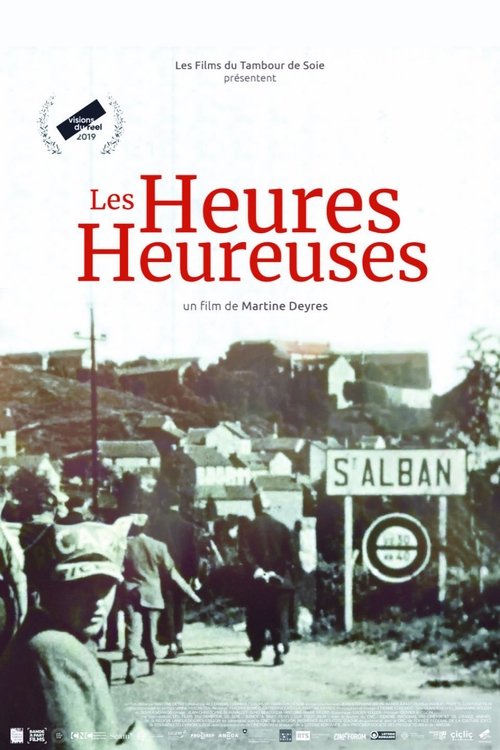
45,000 patients died in French psychiatric hospitals between 1939 and 1945. A single site escaped this carnage: the asylum in Saint-Alban, an isolated village in Lozère. What happened there for it to be an exception? Retracing several decades in the history of this important site of psychiatry, using precious archival films and the accounts of those who worked there, Martine Deyres answers this question and, in doing so, shows how the political courage and poetic audacity that were practised there contributed to changing medicine and society’s perception on madness. Intersecting in the crucible of this movement called “institutional psychotherapy” were members of the Resistance, artists, doctors and philosophers—including Paul Eluard, Tristan Tzara and Georges Canguilhem.

Vertigo Sea is a three-screen film installation that explores what Ralph Waldo Emerson calls 'the sublime seas'. Fusing archival material, readings from classical sources and newly shot footage, Akomfrah's piece focuses on the disorder and cruelty of the whaling industry and juxtaposes it with scenes of many generations of migrants making epic crossings of the ocean for a better life.

Quality Control consists of a series of 16mm single take shots filmed in the summer of 2010,over a two day period, in a dry cleaners facility in Pritchard, Alabama, near Mobile, Quality Control exhibits the acts as well the conditions around labor and showcases, in Everson's words "the fine folks of Alabama producing a superior product." It is similar stylistically, in form and rhythm, to certain scenarios in Everson's award-winning and critically acclaimed previous films, including Erie (IFFR 2010) and in thematic concerns to several other short form works which follow the daily, quotidian tasks of workers in rest and in motion, and is an oblique sequel, ten years hence, to Everson's Creative Capital granted project A Week in the Hole (2001), which focused on an employee's adjustment to materials, time, space and personnel. - Written by Madeleine Molyneaux, producer
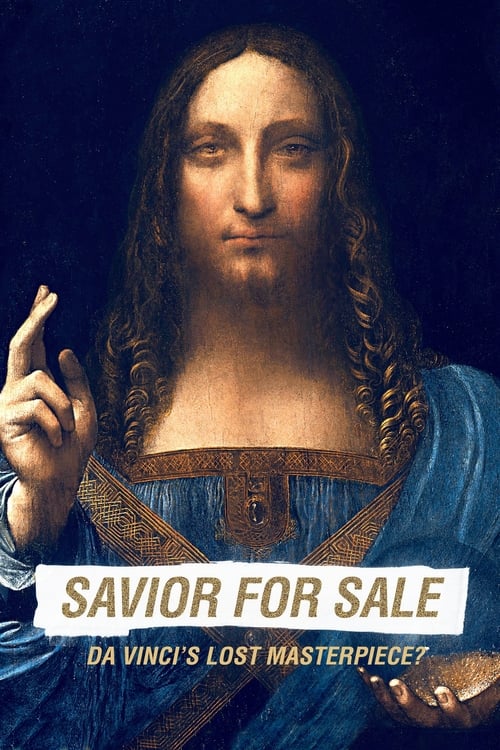
In November 15, 2017, the painting Salvator Mundi, attributed to Italian artist Leonardo da Vinci (1452-1519), was sold for an unprecedented $450 million. An examination of the dirty secrets of the art world and the surprising story of how a work of art is capable of upsetting both personal and geopolitical interests.

Recording of the annual Christmas folklore street ritual Krampus in Austria, in which people dressed up as hairy monsters scare the wits out of the population. The accompanying metal soundtrack by The Melvins provides a curious American perspective.
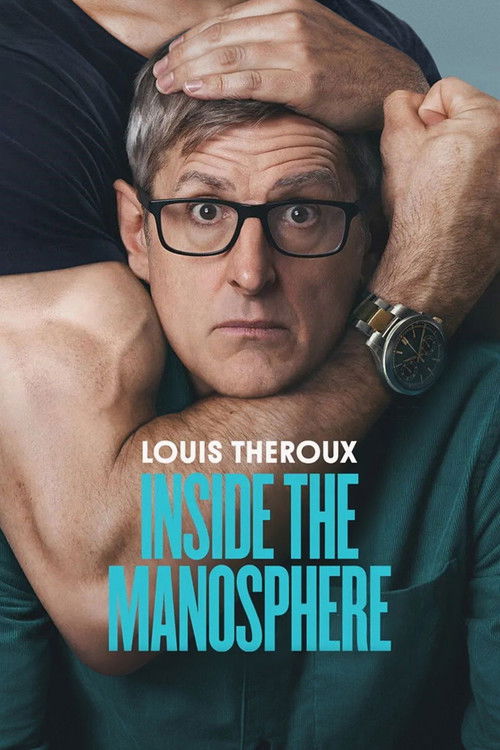
With rare access and no holds barred, the acclaimed documentarian investigates a growing ultra-masculine network and its controversial influencers.
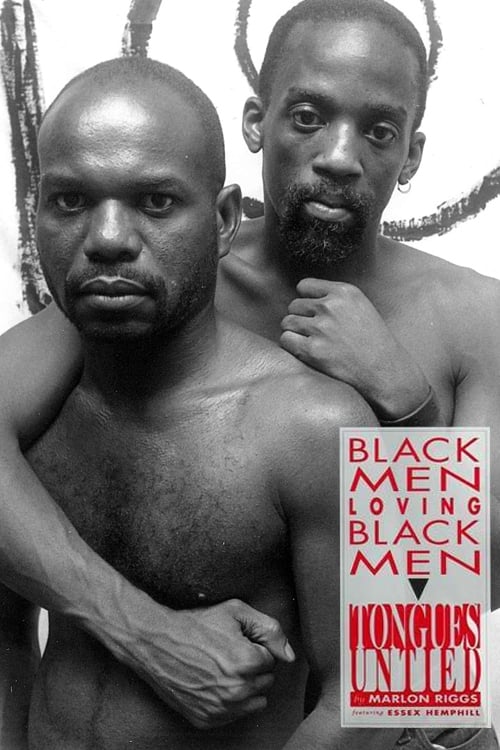
Marlon Riggs, with assistance from other gay Black men, especially poet Essex Hemphill, celebrates Black men loving Black men as a revolutionary act. The film intercuts footage of Hemphill reciting his poetry, Riggs telling the story of his growing up, scenes of men in social intercourse and dance, and various comic riffs, including a visit to the "Institute of Snap!thology," where men take lessons in how to snap their fingers: the sling snap, the point snap, the diva snap.
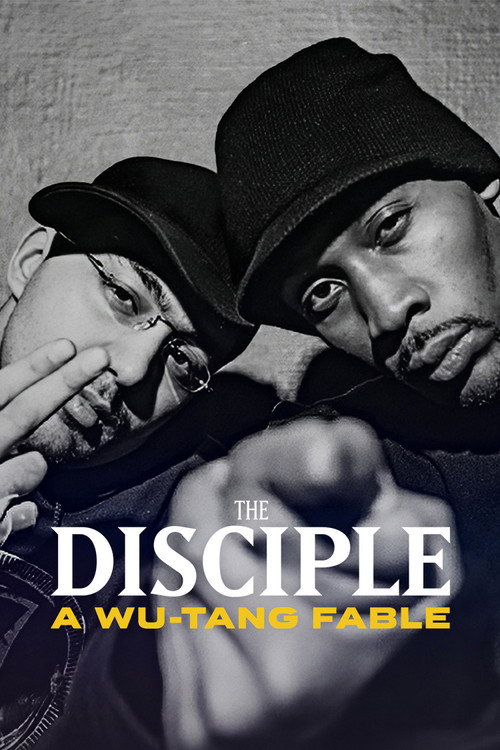
This documentary recounts Cilvaringz's unlikely rise from fan to Wu-Tang Clan fame — and how the infamous "Once Upon a Time in Shaolin" album came to be.
Short documentary made for the 2011 Reed Film Competition. Shot in 4 hours in Manchester.
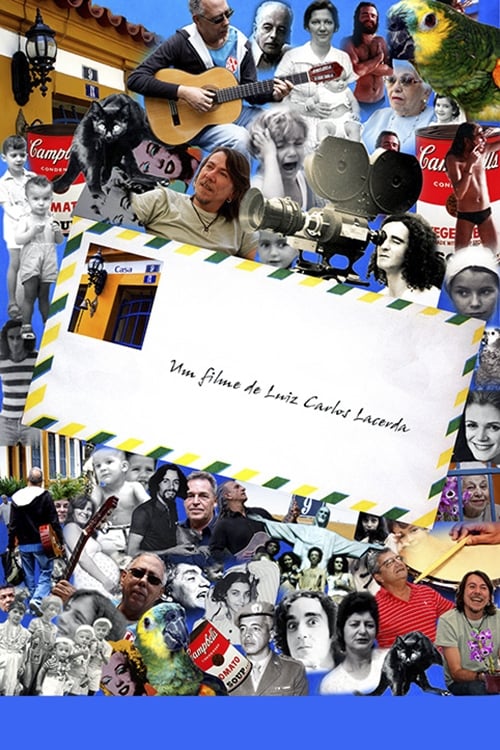
In the 1970s, in the midst of a military dictatorship, composer Jards Macalé and filmmaker Luiz Carlos Lacerda (Bigode) shared a house in Rio de Janeiro - which became a center of convergence for musicians, filmmakers and writers, and where they performed classic films and songs of Brazilian culture.
Short film about Basque artist Jose Mari Uzelai.