Protocol Archives • Browse all Documentary titles in HD

Discover the clever and creative ways animals navigate life’s most extraordinary challenges, from leaving home to finding a partner.

Wildlife presenter Steve Backshall tracks down 60 of the world's deadliest animals.

Popular Mechanics for Kids is an educational Canadian television series based on Popular Mechanics magazine. It was notable for starting the careers of both Elisha Cuthbert and Jay Baruchel. The show's purpose was to teach viewers how things work. It was awarded the Parents Choice Award in 2003, and was nominated for the Gemini Awards. The show was filmed primarily in Montreal, Quebec, and is currently distributed on VHS / DVD by Koch Vision.
Thanks to the smartphone, we are witnessing one of the biggest revolutions ever in the world of romantic relationships.
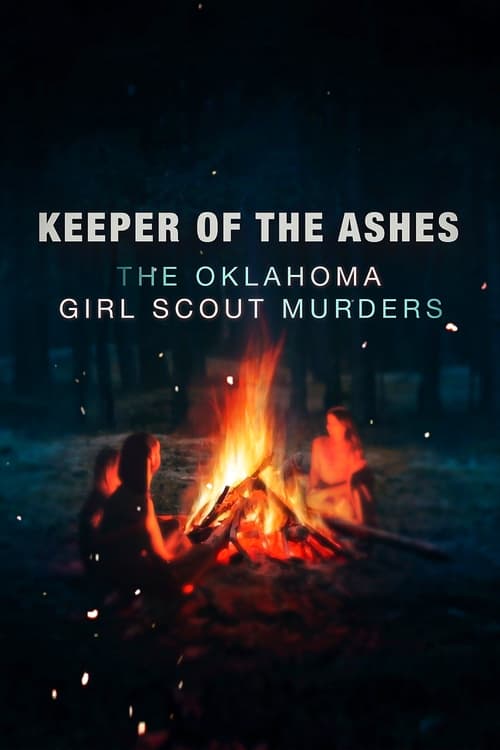
The true story of three young Oklahoma girls, found murdered after their first night at sleep-away camp. The tragedy, as well as the manhunt and trial of their suspected killer, captivated the nation in the summer of 1977. But decades later, uncertainties surrounding the case continue to haunt the Tulsa community, local law enforcement, and the victims' families.

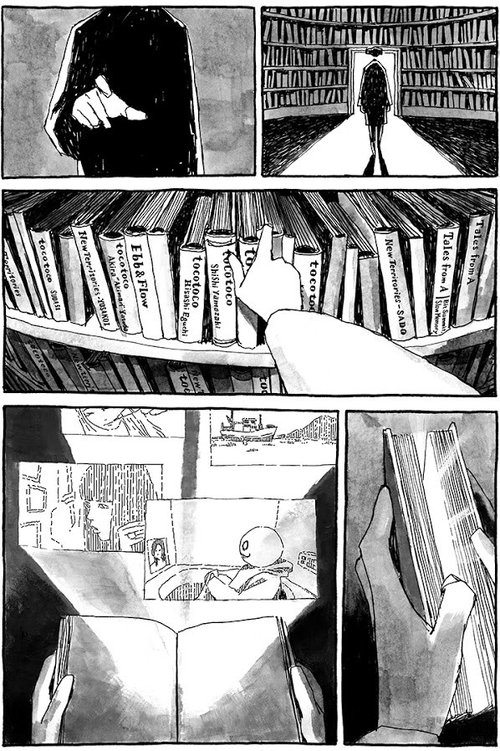
toco toco is a program where Japanese artists and creators introduce places in Japan that inspire them. No scripted text or guidance, guests speak naturally and are free to choose any place they like. “toco toco” is the onomatopoeia to describe the sound of footsteps in Japanese, for the walks we go on together with our guests.
From television's most prolific crime storyteller Dick Wolf, comes a new series where each episode chronicles notorious, ripped-from-the-headlines murder cases and trials motivated by greed.

Landline is an Australian national rural issues television program broadcast on ABC1. Presented by Pip Courtney, the program discusses rural issues regarding farming, mining and fisheries from around Australia. Each week the show wraps up with an update on commodity prices for livestock and mining, and detailed national weather rainfall reports. The program premiered on Sunday 2 February 1992 at 12:00 pm and has remained in that timeslot throughout its entire run. The program is also repeated the following Monday at 11:00 am. Landline was the first program that broadcast on ABC2 when the channel was launched at 6.35 am on 7 March 2005. On the newly launched channel, the program is broadcast on Mondays at 6:25 am, 4:00 pm, 7:00 pm and 9:15 pm. Previous presenters include Deborah Knight, Ticky Fullerton, Anne Kruger and Sally Sara.
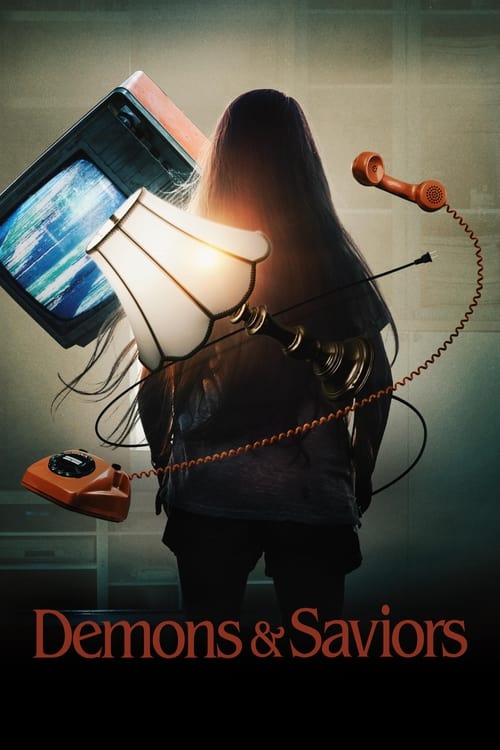
This true-crime series details the fascination with Christina Boyer. Boyer became a household name for her telekinesis as a teenager and the alleged murder of her own infant daughter in Boyer’s early 20s, a crime she maintains she did not commit. The series details the unlikely band of amateur sleuths obsessed with setting her free.

Adventurous chef, entrepreneur and global trailblazer Kristen Kish travels the world in search of the people, places, culture and traditions behind the world’s most remote restaurants.

In Thomas Aquinas, a seven-hour course, Bishop Robert Barron guides us through a study of the theological and philosophical system of Thomas Aquinas, the 13th-century Dominican friar who masterfully synthesized Ancient Greek philosophy with Christian doctrine. We examine his Five Ways for demonstrating God's existence, his understanding of divine attributes and the Trinity, and his teachings on creation, providence, and the problem of evil. The course delves into Aquinas's philosophical anthropology, particularly the relationship between body and soul and humanity's creation in God's image. We conclude by studying his ethical framework centered on finding happiness in God as humanity's ultimate goal, and the role of virtues in ordering human life toward God.

The reunion of old friends, first-person accounts, and rarely seen footage paint an extraordinary and deeply profound picture of what it was like to live through one of history's longest wars.

A series of documentaries that have followed the lives of fourteen British children since 1964, when they were seven years old.
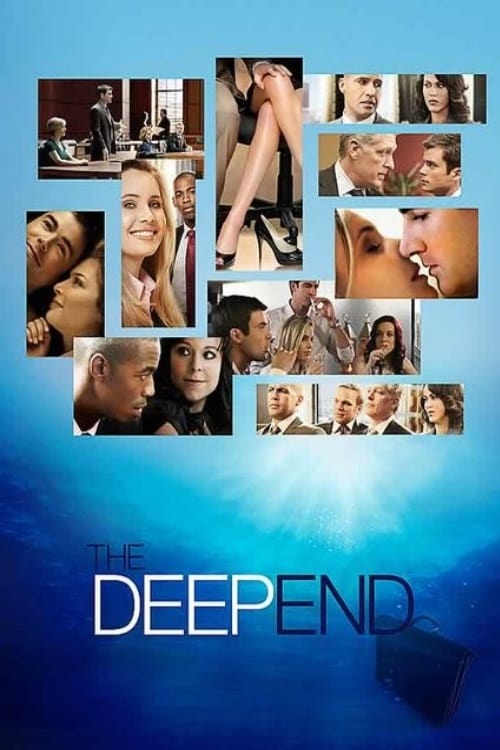
The tragedies and triumphs of five earnest twenty-something first-year associates fighting to stay afloat in one of Los Angeles' top law firms.
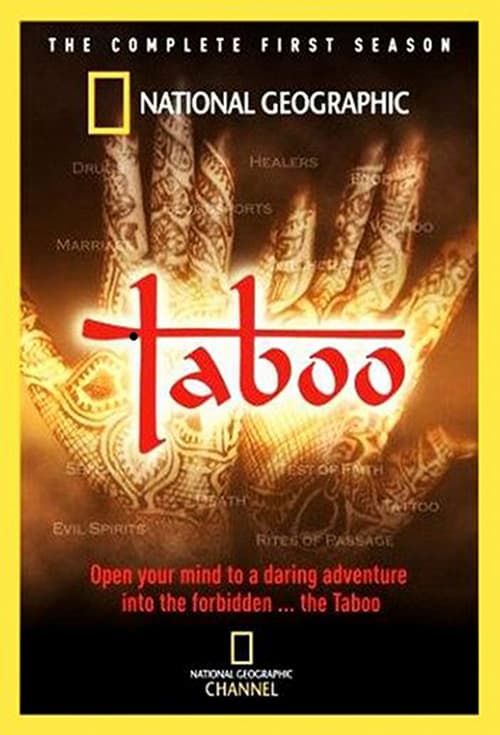
Taboo is a documentary television series that premiered in 2002 on the National Geographic Channel. The program is an educational look into "taboo" rituals and traditions practiced in some societies, yet forbidden and illegal in others. Each hour long episode details a specific topic, such as marriage or initiation rituals, and explores how such topics are viewed throughout the world. Taboo generally focuses on the most misunderstood, despised, or disagreed-upon activities, jobs, and roles.

Unusual Suspects is an American documentary television series on Investigation Discovery. The series debuted on June 21, 2010. The series showcases many of the most shocking and difficult cases in law enforcement history, and also sheds light on the investigations that led to the arrest of the culprits.
A German documentary studying concepts of hell developed over time in Christianity, Judaism and Islam, often overlapping -but not in Catholicism- with purgatory. Special attention goes to 'physical' methods of torture in the afterlife, as in Dante's Inferno. Their inspiration stems partially from judicial torments, as used during the Inquisition to redeem 'Satanic' sinners, from witches and heretics to mere gay people. Also treated is hell's theological and 'educational' meaning.

Amber Galloway, a trailblazer in ASL interpretation, takes us on a journey into the deep bond between the Deaf world and music. We follow her as she teaches struggling recruits who she hopes will have what it takes to join her at ACL music festival.
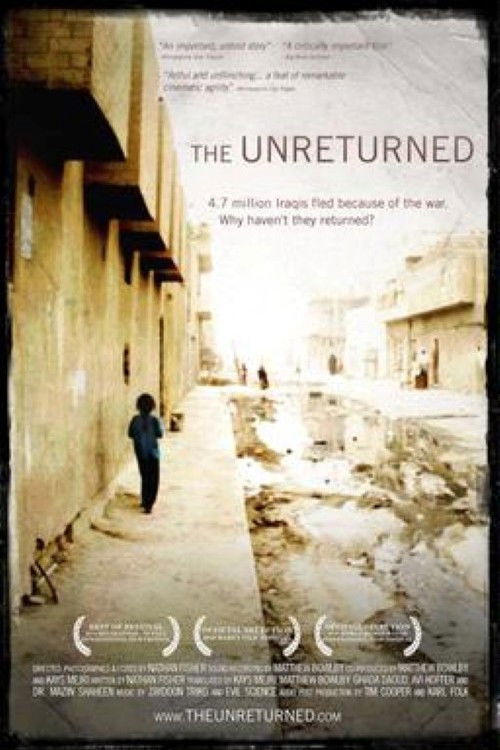
The Unreturned is the story of five middle-class Iraqi refugees caught in an absurdist purgatory of endless bureaucracy, dwindling life savings, and forced idleness.
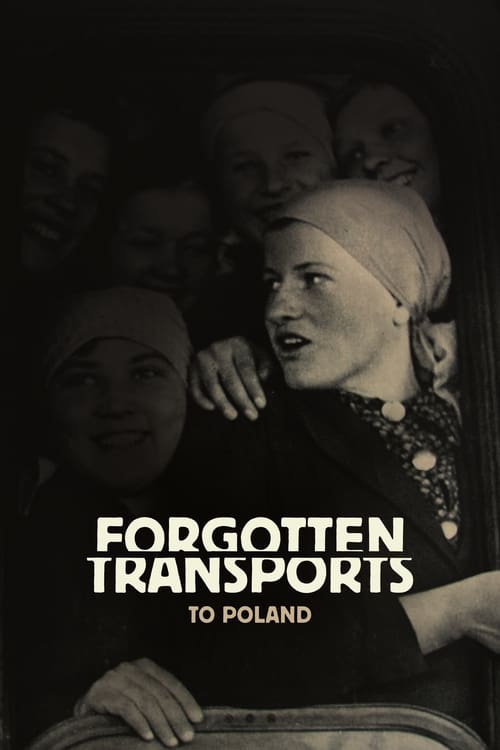
Forgotten Transports to Poland is a documentary by Lukáš Přibyl, part of a series that explores lesser-known Holocaust deportations. This film focuses on Jewish deportees sent to little-known camps in eastern Poland during World War II. It highlights their survival strategies and personal stories, offering a human perspective on these largely forgotten events.
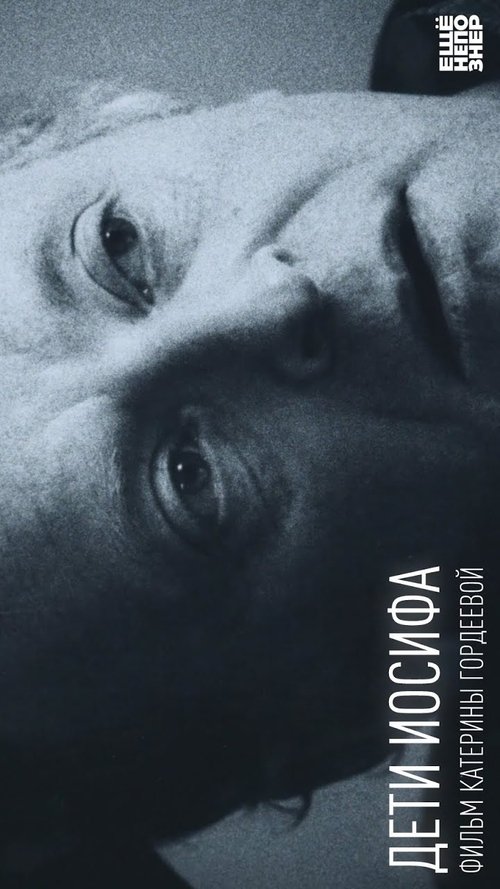
From the place where Joseph Brodsky died to the place where he was born, the distance is now insurmountable: there is no country or city where the poet left forty years ago in the world anymore. And that means there's no way to go back. But in the summer of 2014, by order of Brodsky's widow Maria, the last things in the poet's life are sent to the first house in his life. To St. Petersburg, to the corner of Pestel and Liteyny, to the Muruzi house. This film is an attempt at a group portrait of those whom Brodsky would have found if he had had the opportunity to return to Russia today. Formally, the characters of the film are talking about Brodsky. But in these stories, not literary critics, but people who have been strongly influenced by Brodsky, whom they have never seen, there are so many of themselves that a portrait of an entire generation has come out. Generations of Joseph Brodsky's children who had never seen their father with their own eyes in their lives.

For two weeks, around twenty young musicians from the northern districts of Marseille come to train every day and rehearse three jazz pieces.
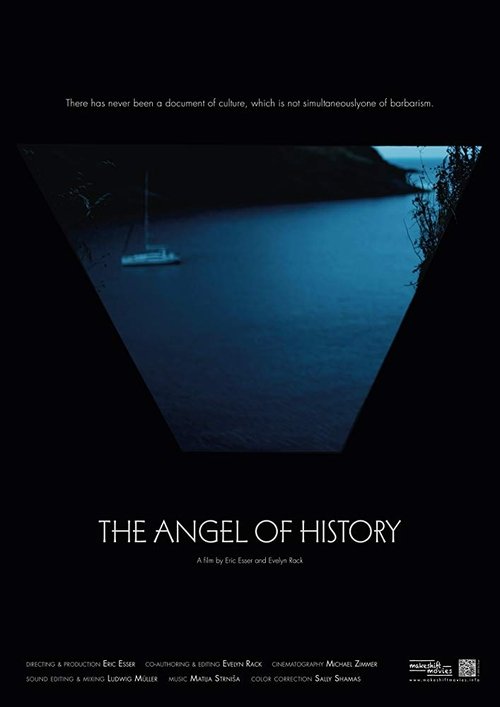
In 1921, German philosopher Walter Benjamin purchased a painting Angelus Novus by the Swiss-German artist Paul Klee. Benjamin admired it and described it in detail in his essay “Theses on the Philosophy of History.” The picture portrays a restless angel who tasted reality. For a moment the angel freezes as if observing the inevitable turns of history. German director Eric Esser filmed at the Spanish-French border, which used to be a place of smuggling routes. It is across this border Walter Benjamin once escaped from the Nazis too.

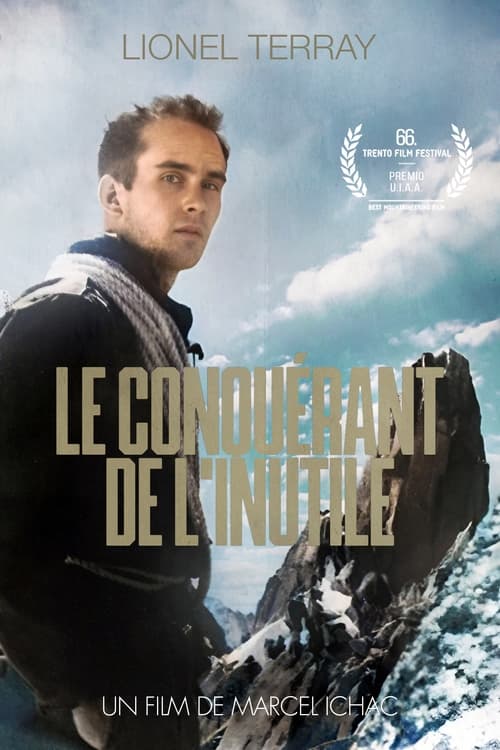
Biography of ski instructor, mountain guide, mountaineer and filmmaker-lecturer Lionel Terray. Film-portrait of an emblematic figure of French mountaineering in the 1950s and 1960s, reconstructing the life, the great races and the expeditions of the "conqueror" of the most difficult walls and summits of Europe, the Himalayas, the Andes and North America. Marcel Ichac produced in 1966, the day after the Gerbier accident, this illustrated tribute by bringing together personal archive documents, unpublished animated sequences or extracts from expedition images as well as comments taken from the autobiographical texts of Lionel Terray " The Conquerors of the Useless" and "Battle for Jannu". This film, presented at the Cannes Film Festival, has won numerous awards at specialized film festivals, including the Trente Festival and the Banff Festival.

As Brexit Britain prepares to draw up new rules on who is welcome here, Ian Hislop takes an entertaining and provocative look at the decades from the Victorian era to the First World War, when modern Britain introduced its first peacetime restrictions on immigration.
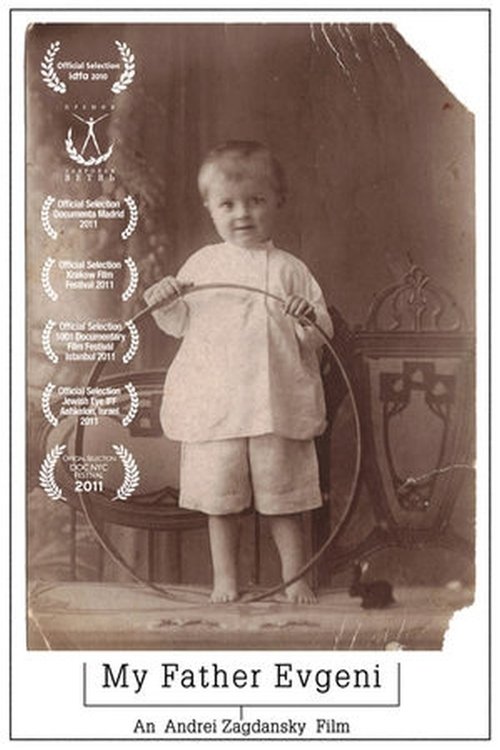
This is a film made by Andriy Zagdansky about his father, the screenwriter Yevgeni Zagdansky, who was the editor-in-chief of the Kyivnaukfilm studio for almost 20 years. The story is interspersed with fragments of popular science films and letters from Yevgeni Zagdansky to his son in New York in the 1990s, creating a portrait of both the person himself and the whole era. My Father Evgeni is a film not just about the inevitable generational conflict and the pain of a father’s separation from his son, but also about the events of the 20th century, about people who read banned books, and about the Kyiv that shaped the Zagdanskys.
With EMBERS, Tamara Stepanyan’s first feature-length documentary, the director seeks to honour the memory of her late grandmother, whom she was named after. Stepanyan visits the elder Tamara’s hometown in Armenia, where she spends time with her grandmother’s circle of friends, who discuss their memories of daily life with Tamara, bringing to light their ideological and political viewpoints in the process. As the conversations progress, a dialogue emerges between past and present – between the Tamara of today and the Tamara of two generations ago, whose life was shaped by her experiences during World War II. Despite the absence of the film’s central subject, her presence is deeply felt through her impact on those who survived her. Stepanyan’s mourning the loss of someone close to her heart is acutely apparent; here, she faces down that sorrow with a bright tribute to a wonderful woman.
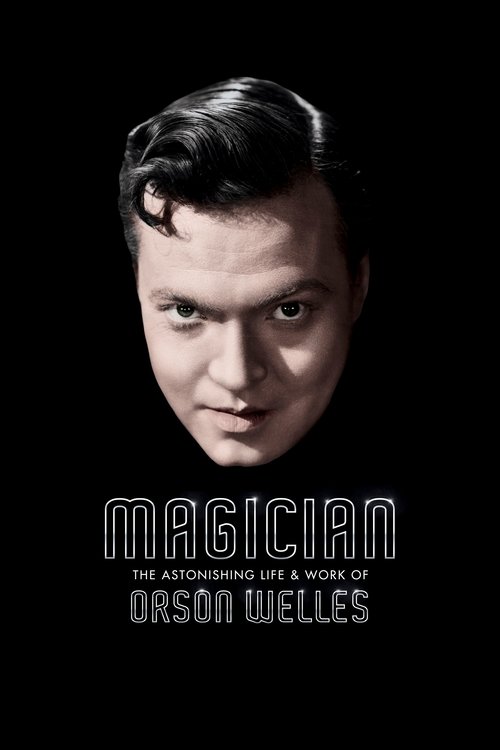
The extraordinary life of Orson Welles (1915-85), an enigma of Hollywood, an irreducible independent creator: a musical prodigy, an excellent painter, a master of theater and radio, a modern Shakespeare, a magician who was always searching for a new trick to surprise his audience, a romantic and legendary figure who lived only for cinema.
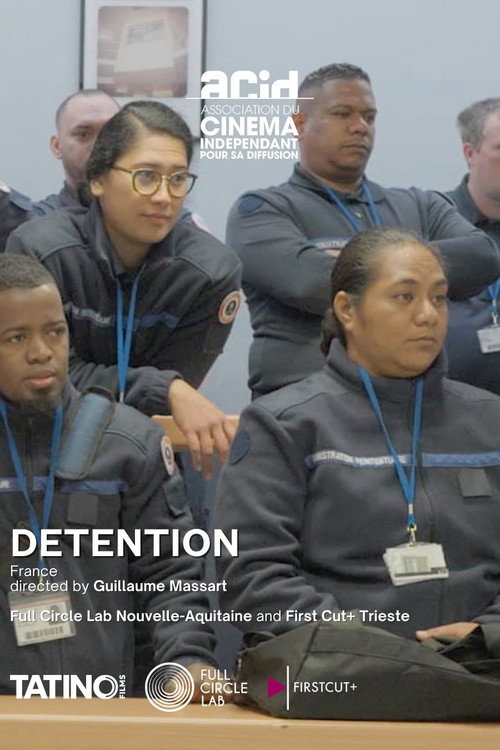
Open a door. Handle a crisis. Write an incident report. At France’s prison officer academy, hundreds of men and women learn to become prison guards. Their words begin to mirror the institution. Their movements sharpen. What once felt uncertain becomes routine. Doubt slowly fades from their faces.
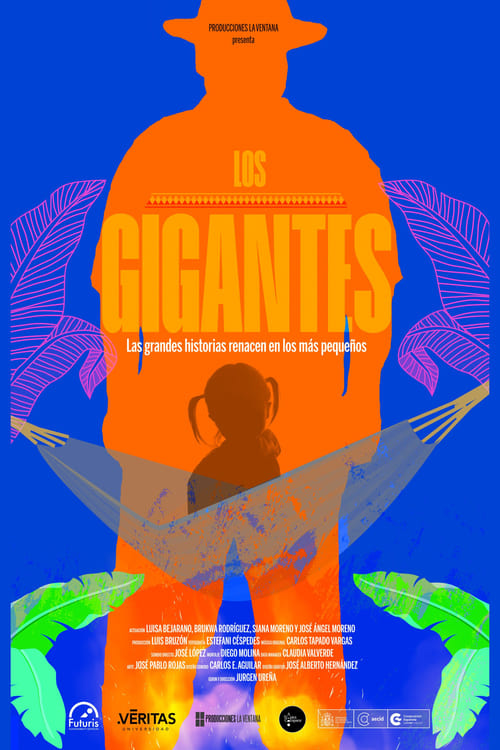
Around a campfire in the Ngäbere language, Major Francisco Rodríguez tells the Ngäbe-Buglé community of La Casona the mythical story of "Los gigantes". His words merge with the recreation of the story, starring three women from different generations and some other people from that indigenous community, which inhabits the border territory between Costa Rica and Panama.
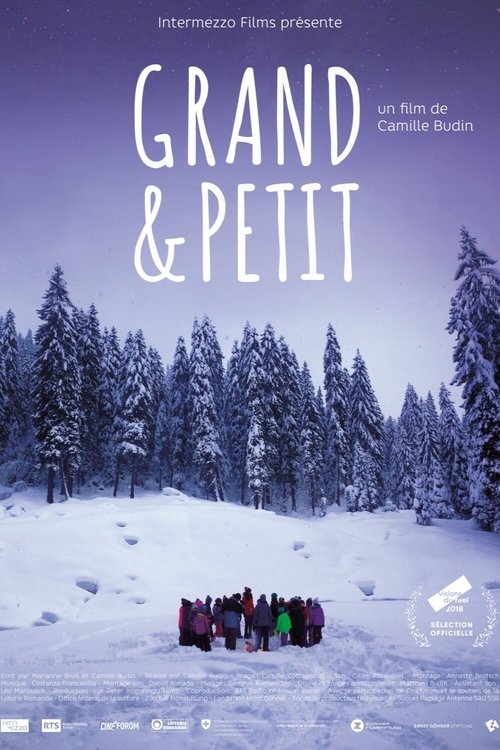
A primary school class in the Swiss mountains embarks on an adventure to discover the mysteries of the universe, guided by the astrophysicist Stéphanie Juneau.
Argentina is not a country with too many industries, but this documentary demonstrates that it has one very developed: the football industry. The film meticulously describes how a football star is "manufactured": from the work of the headhunters that roam the country seeking in lost villages children and preteens and even the work in the Primera División clubs like Boca Juniors and Estudiantes de La Plata, where they are formed to then be thrown into professionalism.