Protocol Archives • Browse all Studio Ghibli titles in HD

A quiet stroll through the imaginary world of Iblard, originally depicted in the paintings by Naohisa Inoue, influenced by Impressionism and Surrealism.
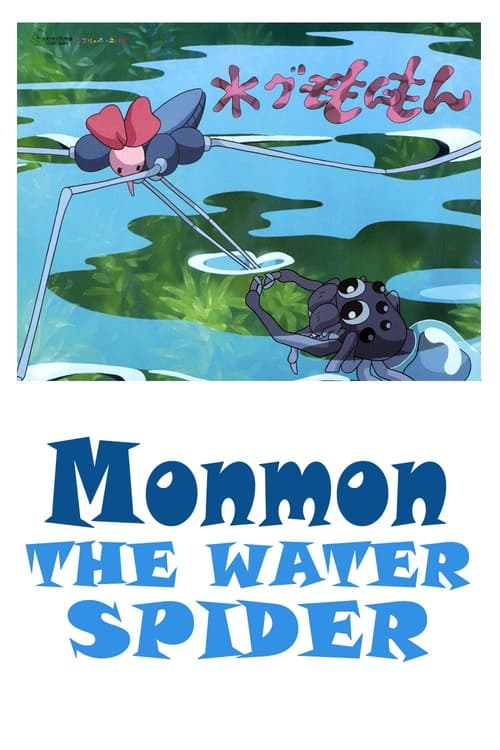
The short film's main character is a diving bell spider who seems to have fallen in love with a water strider. Although she is scared of him at first, the water strider soon gets used to the presence of the spider.

Chu Zumo is the story of an old farmer who discovers a group of rats heading to a sumo wrestling bout. After they lose miserably he decides to feed the rats to boost their chances of winning.
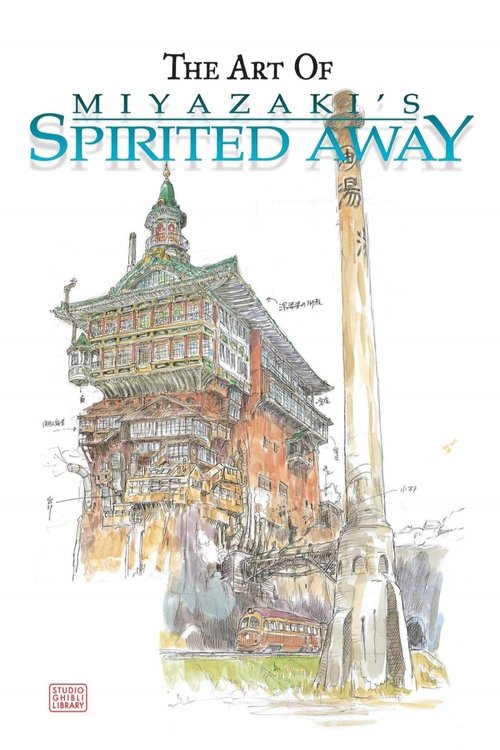
The people that brought the film Sen to Chihiro no kamikakushi (2001) (a.k.a. "Spirited Away") to the US explain how it was converted into English, with some minor confusion between languages, and how well it did in both Japan and America.
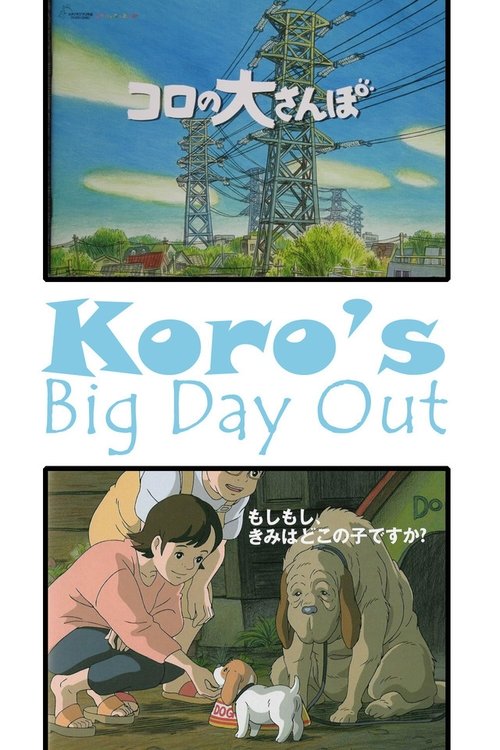
The film is about Koro the puppy, who runs away from his mistress, experiences some adventures around town and who is finally happily returned home.
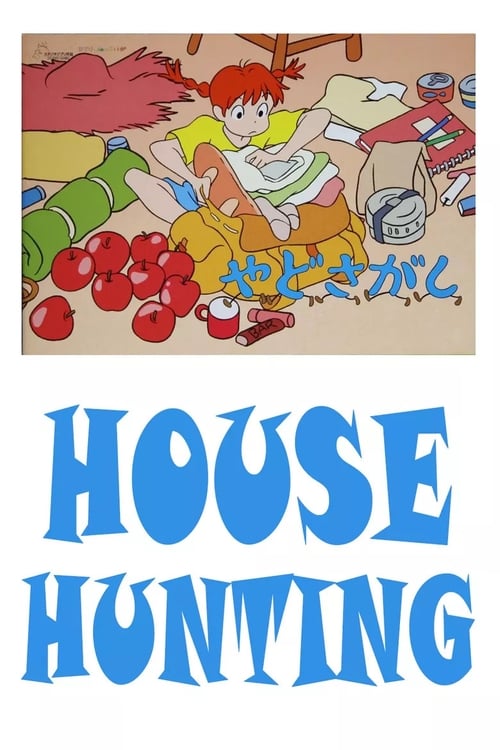
A girl goes exploring to find a new house. Along the way, she encounters many of Japan's guardian spirits.

Kusoh no kikai-tachi no naka no hakai no hatsumei is an animated short wirtten and directed by Hideaki Anno and produced by Studio Ghibli. It's a Ghibli Museum exclusive.
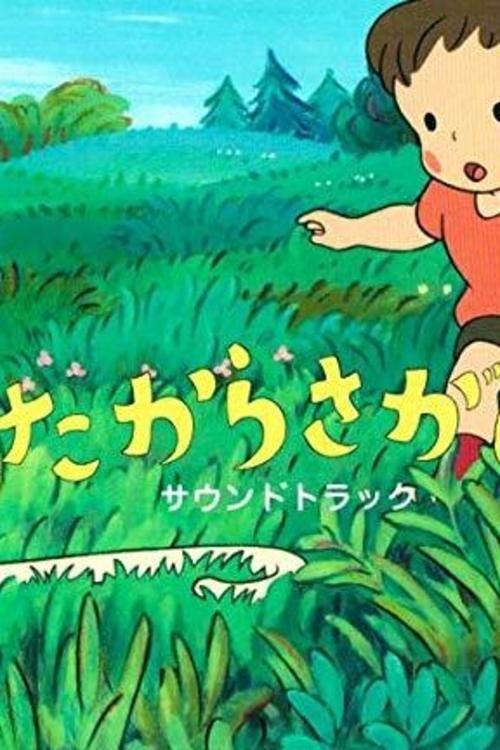
The film is an adaptation of a picture book by Rieko Nakagawa and Yuriko Yamawaki, with illustrations by Yuriko Omura. In the story, a boy named Yuuji and a rabbit named Gikku find a stick at the same time, and decide to compete in games to decide who can keep the stick. However, whether it is a foot race, long jump, or sumo wrestling, they always end up in a tie.
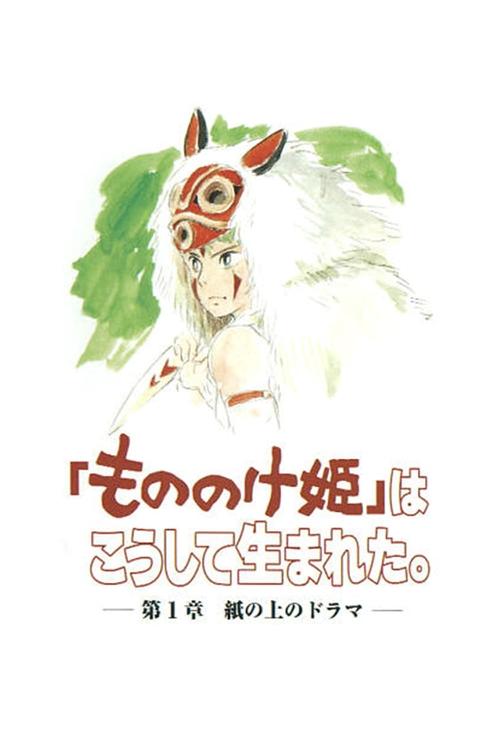
Part 1 of Mononoke Hime wa koushite umareta, also known as The Making of "Princess Mononoke", an exhaustive three-part making of documentary of Hayao Miyazaki's Princess Mononoke

Ghiblies, a totally different look on the staff of Studio Ghibli as they go through life, work on new animation projects, office jokes, off the wall events, and deciding what to have for lunch.
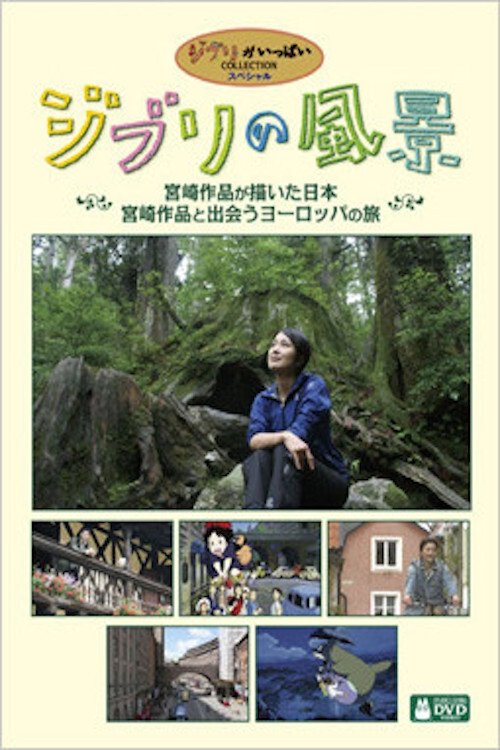
Would you like to embark on a journey to discover new attractions in Miyazaki's works? By setting a fictional city and depicting the vivid lives of the people who live there, it is as if the city really exists.― Director Hayao Miyazaki's landscapes have this power. Tsuruta Mayu visiting the towns and places that inspired the setting images of Hayao Miyazaki's works and exploring their charms. Japan as Depicted by Miyazaki takes you to old Japan in search of images of My Neighbor Totoro, Spirited Away, and Ponyo on the Cliff
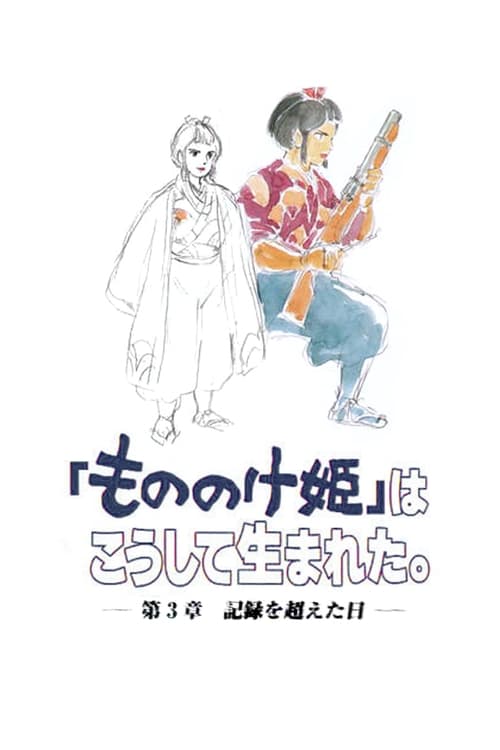
Part 3 of Mononoke Hime wa koushite umareta, also known as The Making of "Princess Mononoke", an exhaustive three-part making of documentary of Hayao Miyazaki's Princess Mononoke

This August 2010 NHK documentary explores the influence of selected children's literature on Miyazaki and Takahata's body of work and on Studio Ghibli as a whole. Also included is a conversation between Miyazaki and Japanese author and TV personality Sawako Agawa.
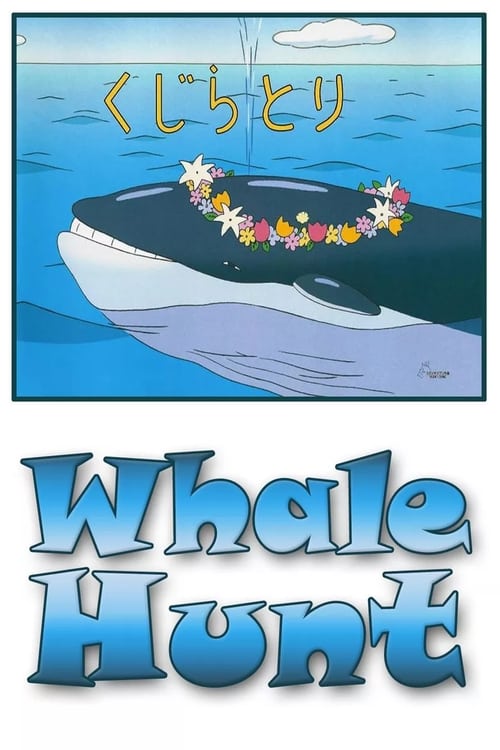
Kujiratori tells the story of school children pretending they are building a boat. As imagination replaces reality, they find themselves on the ocean, hunting for a whale. A big, gentle whale appears, accompanies them back to land and plays with them. Then the fantasy ends and the children are back in their class room.
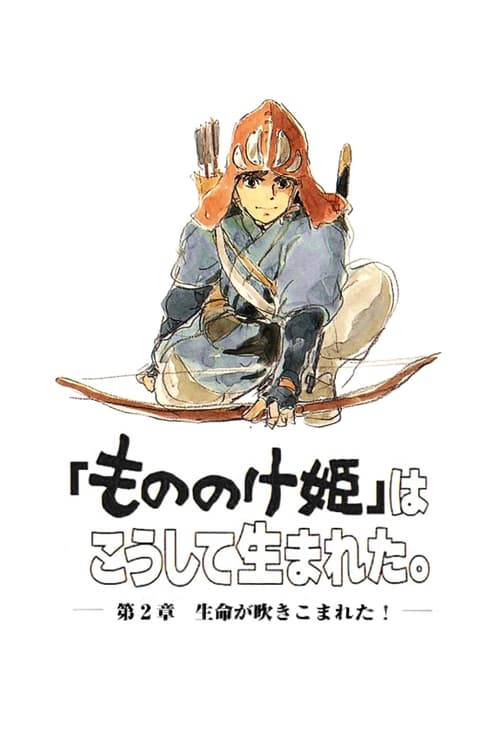
Part 2 of Mononoke Hime wa koushite umareta, also known as The Making of "Princess Mononoke", an exhaustive three-part making of documentary of Hayao Miyazaki's Princess Mononoke
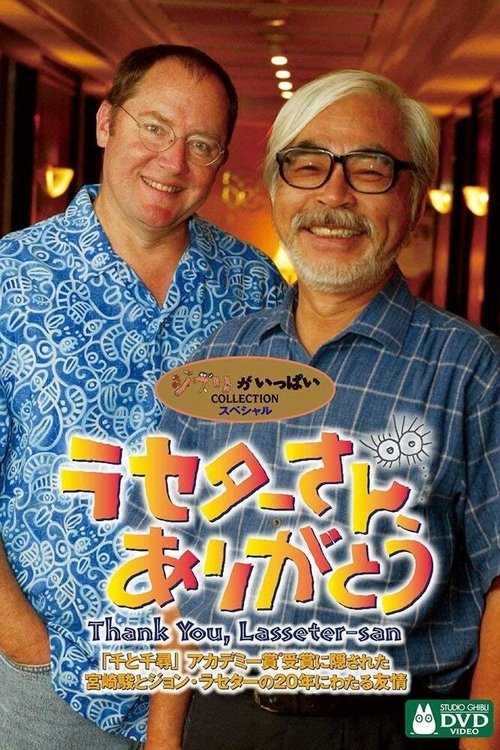
Depicts the 2002 trip by several employees of Studio Ghibli to promote the movie Sen to Chihiro no Kamikakushi (Spirited Away) in North America. It was originally made as a private thank-you gift from Ghibli to John Lasseter, the Lasseter-San of the title. The show appears similar to a home movie, or private documentary. This footage includes snippets from some of Miyazaki's films, as well as some Pixar shorts. The most striking part were clips from Porco Rosso, interchanging with images of Miyazaki flying a red double-decker.

From July 21 through September 10th, 2007, the Museum for Contemporary Art Tokyo held an exhibition honouring Kazuo Oga, the art director and background artist for many famed works from Japan's Studio Ghibli. Over 600 works from the artist were on display, and numerous fans flocked to the one-of-a-kind exhibition celebrating the lush, gorgeous background artwork typifying many a work from Hayao Miyazaki and other Ghibli filmmakers. International fans of Oga and Studio Ghibli have not been left out, however. A Ghibli Artisan - Kazuo Oga Exhibition - The One Who Drew Totoro's Forest allows fans the opportunity to attend the exhibition, as well as watch interviews and testimonials with Oga's contemporaries and collaborators, all subtitled in English.
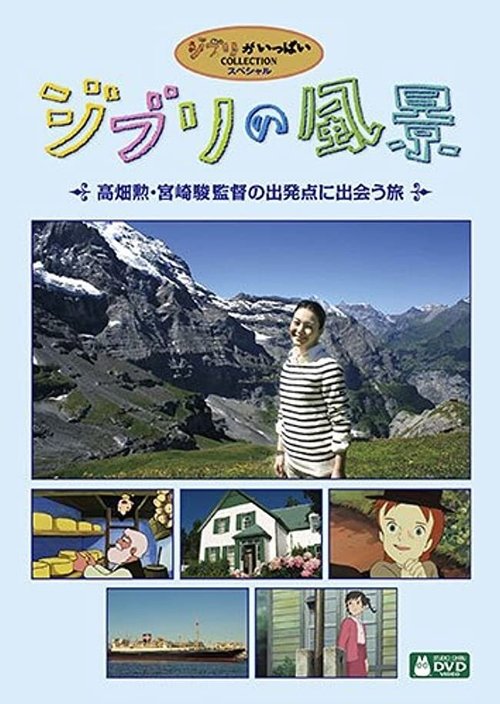
In this documentary we travel to the Swiss Alps and to the Canadian Prince Edward Island looking at the origins of the two classic TV series - Heidi, the Girl of the Alps and Anne of Green Gables. We will also learn how the Japanese scenery found its way into the latter. As the documentary was released as part of the From up on Poppy Hill promotion, a portion of it is dedicated to Yokohama, where the events of the film by Goro Miyazaki take place.
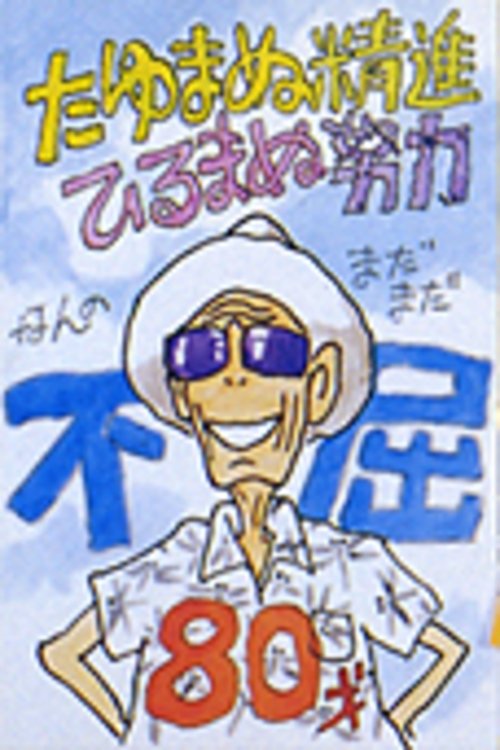
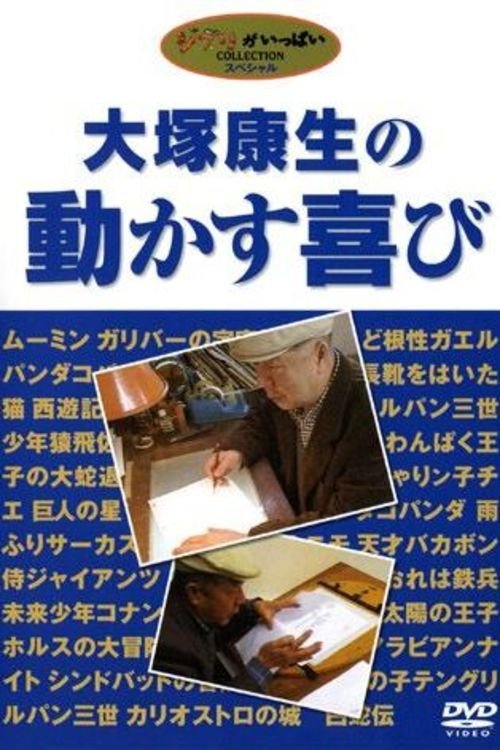
Yasuo Ōtsuka was the mentor of Isao Takahata and Hayao Miyazaki, the man who taught them to feel the joy of animation. As the supervising animator of their films and through the creation of superb scenes such as Lupin leaping from turret to turret in Lupin the 3rd: The Castle of Cagliostro, Ōtsuka made the impossible believable, and touched people’s emotions. To look back at the many works he was involved in is to review the history of Japanese animation after WWII. This film is a must for anime fans who want to learn how Japanese animation evolved.