Protocol Archives • Browse all War titles in HD

Hong Kong war film.
A climate of civil war, a fight that has made them lose everything including their youth, four soldiers aged 13 to 20 years, will meet and build friendships. In the grip of an adult conflict, which they do not understand, Matéo, Dominique, Big Max and Kevin will keep recreating, round a pond and a cabin, a family.
The story of the WWI poets Siegfried Sassoon, Wilfred Owen and Robert Graves, using their diaries and letters to tell the inside story of the war in their own words.

Take Your Own Notes features the stories of five women veterans who live in the greater Rockford, IL area. The documentary demonstrates how the five women make an impact in their families and local communities and connect with each other through their shared experiences in the United States military. Take Your Own Notes provides an outlet for women who experience challenges featured in the documentary, cultivating an open dialogue for those who wish to tell their stories.
A Polish communist in prison breaks out at the start of the war, fight against the Germans and tries to find out who put him behind bars.
A young Puerto Rican man abandons his university studies and his family to join the United States Army, thinking it would solve his financial needs. Influenced by the war propaganda and mobilized to the scene of the wars in the Middle East, he becomes a sadistic torturer.
Treachery and escape from agents provocateurs of underground workers among the early days of national rising in Croatia.
Girls of War is the story of three girls who decide to stay and fight alongside the army after the Iraqi forces enter their city.
A story about the tragic events in the life of besieged Leningrad from September 1941 to January 1943.
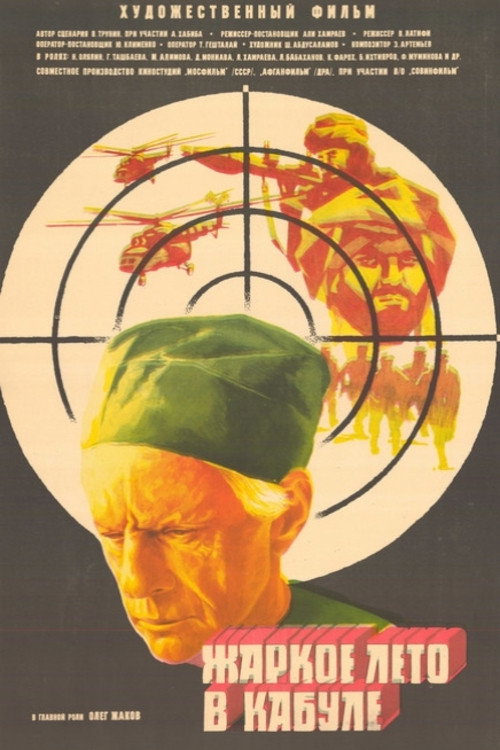
A Russian doctor is invited to work at Afghanistan's top hospital during the war, and sees firsthand the carnage caused by the Islamist mujaheddin as they attempt to overthrow the socialist government.
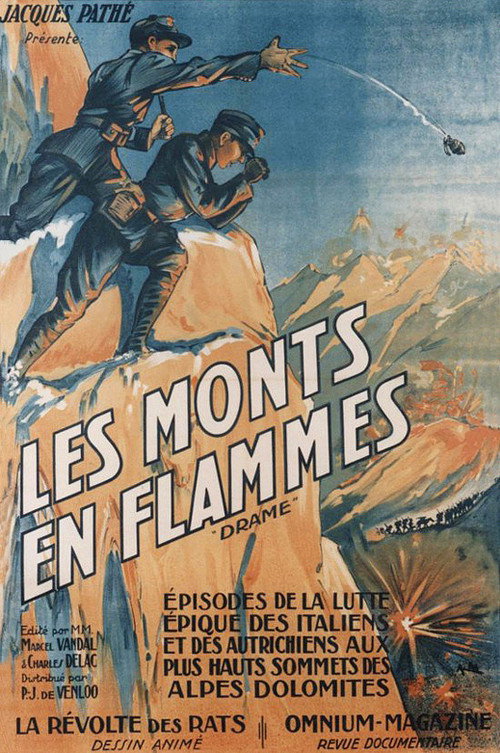
Shortly before the First World War, an Italian and an Austrian mountain guides take part in a mountaineering expedition together. Not long afterwards they find themselves fighting on different sides in the same area in the Dolomites, fighting to conquer the same high pass (Col Alto). When the war is over, they meet again. Their friendship has survived the war. There are two other versions of the film. The original was shot in German the same year (Berge in Flammen). The other, shot in English the year after, was produced by the American Universal Pictures (The Doomed Battalion). Both uses scenes from the original German version.

A New Psychological Documentary About Children
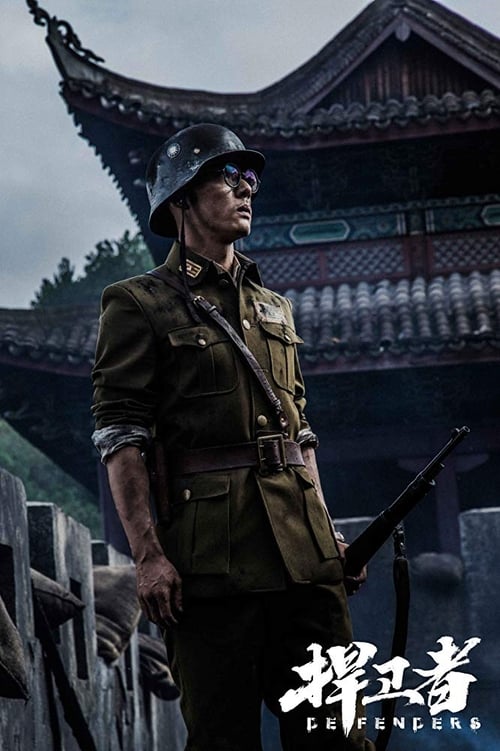
Kuomintang Commander Yao Ziqing is ordered to protect Baoshan County from the Japanese army, which launches a relentless attack using land, sea, and air forces. Determined to defend the county, Yao must overcome immense challenges to stop the enemy at all costs.
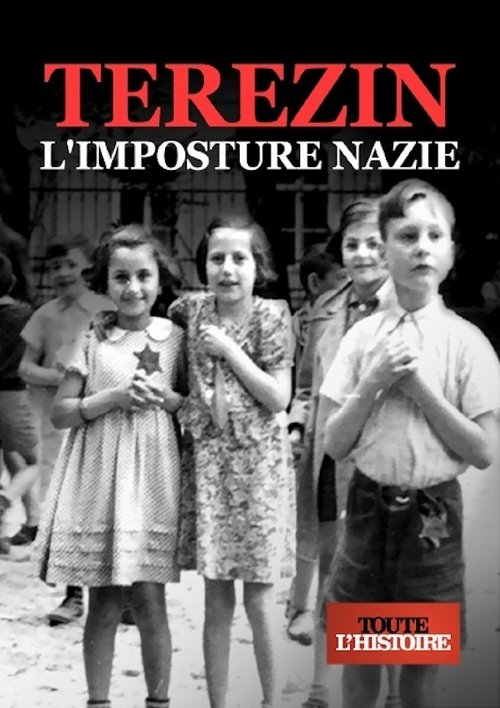
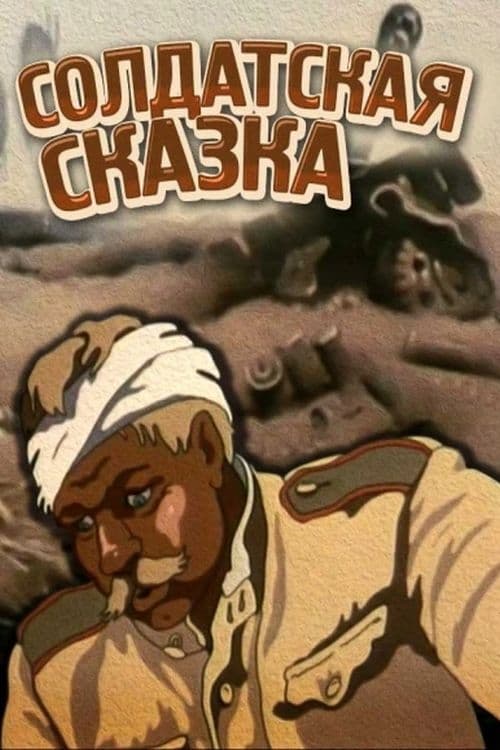
When Peter went to the war with the Nazis to the front, his son gave him a rhinoceros beetle he captured near his home, which the soldier took with him. Now they have to plunge into battle and fighting to see how the sky becomes black because of the gunpowder and the enemy siege, and hundreds of bullets are circling around them. But they will go back to where someone waits for them.
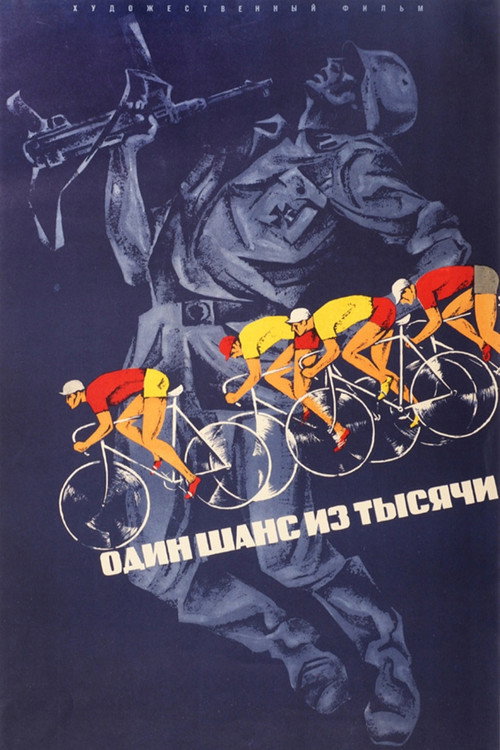
In German-occupied Crimea during WWII, a group of Russian soldiers employ unusual tactics to steal classified documents from their enemies.
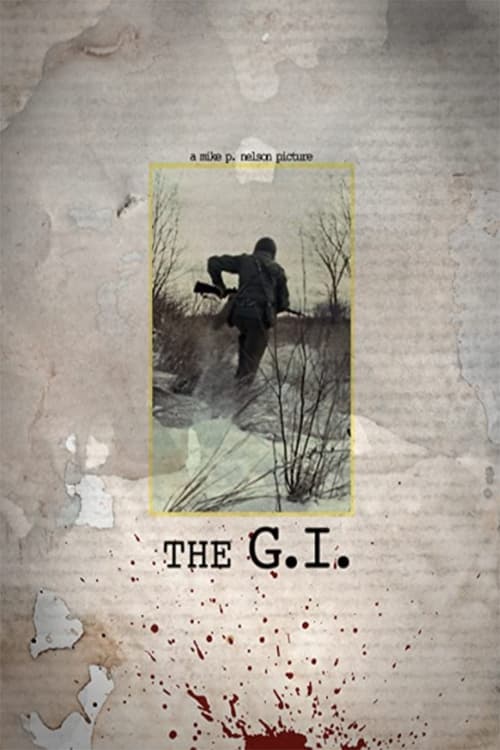
World War II, Winter, 1944. Michael, a corporal in the 89th Division Rolling W's, gets separated from his squad during a Nazi ambush. He soon realizes that the Nazis and the piercing cold are the least of his worries, for what lurks in the woods is even more horrific.

Two lives collide and are changed forever in a moment's time -- and years later the consequences of their decisions are revealed.
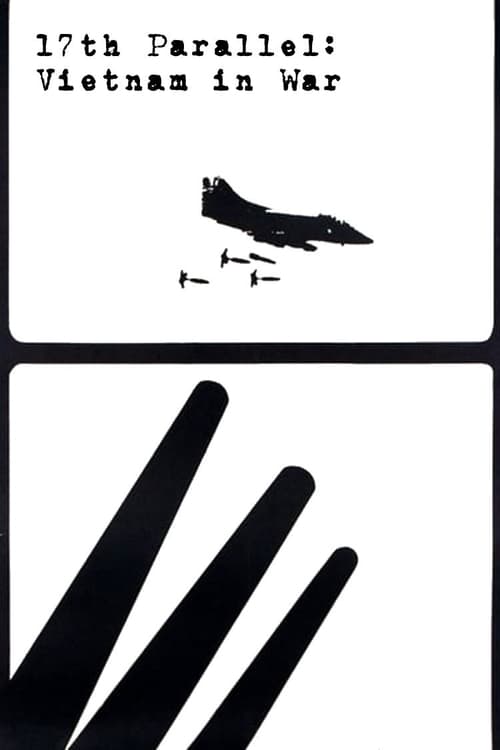
On the border of North and South Vietnam, civilians live underground and cultivate their land in the dead of night, farmers take up arms, and bombs fall like clockwork. Joris Ivens and Marceline Loridan’s record of daily life in one of the most volatile regions of a war-torn, divided country is both a hazardous piece of first-hand journalism and a shattering work in its own right, simmering with barely repressed anger.
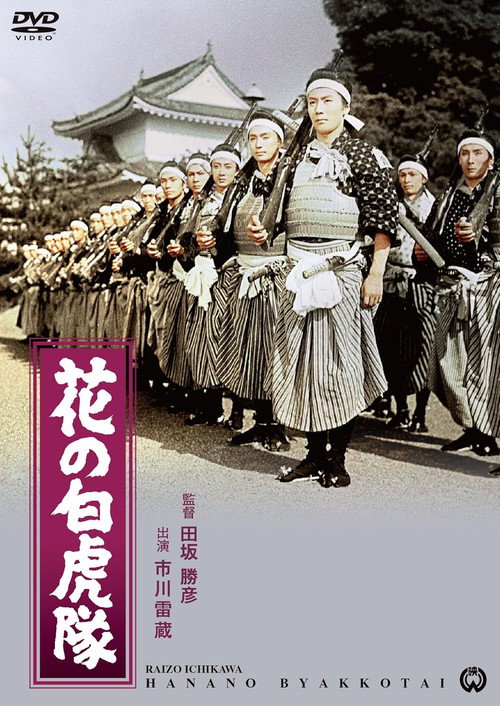
The Great White Tiger Platoon was part of the Aizu clan's last ditch efforts to stop the advance of Imperial troops after the fall of the Tokugawa Shogunate. Meant to be a reserve unit as it was made of the young, 16-17 year old sons of Aizu samurai. Their story is one of the great tragedies of the Boshin War (1868-1869) as they were called into action. Getting cut off from the main body of their platoon, a group of 20 from the 2nd squad retreated to Iimori Hill, where they looked down upon fires surrounding Aizu Castle and thinking that the castle has fallen and all is lost, they choose to die as samurai by committing seppuku. A superb rendition of this true story that shows the true honor of the samurai.