Protocol Archives • Browse all War titles in HD

Actor and WWII veteran Lee Marvin narrates this USMC training film on combat leadership.
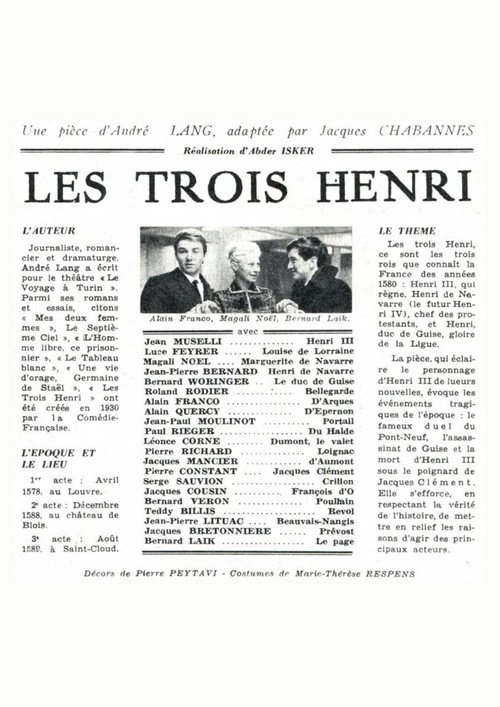
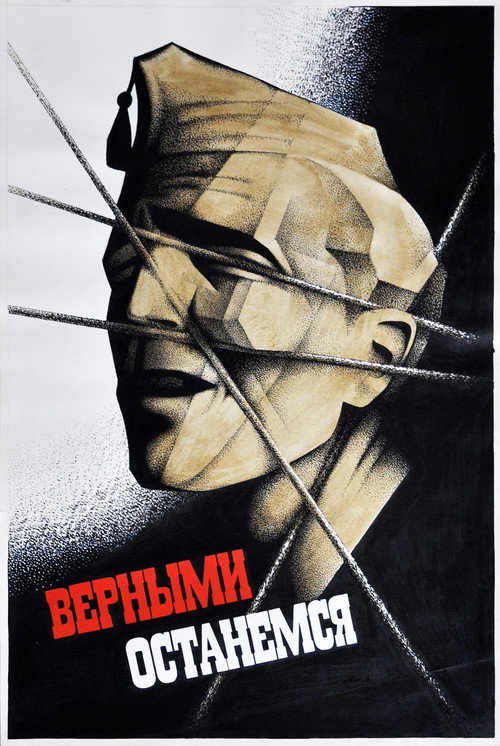
Story of Sergio Rodriguez, commissar of an International Battalion in the Spanish Civil War
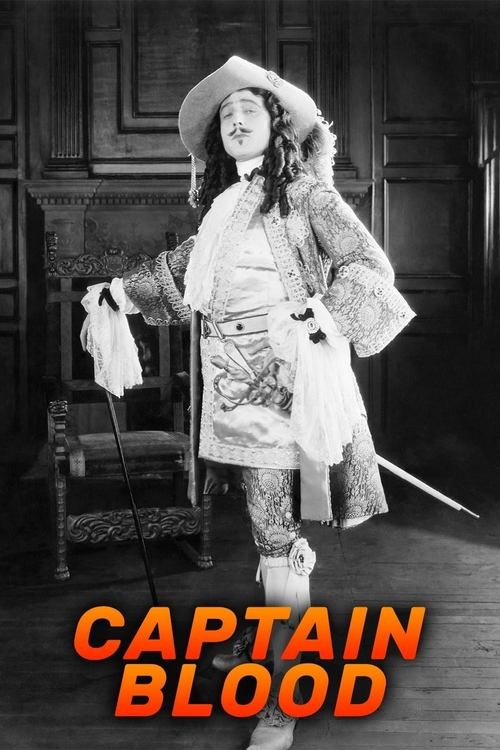
Young Irish physician Peter Blood is exiled as a slave to Barbados, where he and his friend Jeremy are purchased by Colonel Bishop at the behest of his niece Arabella. With other slaves he captures a Spanish galleon and becomes the terror of the Caribbean privateers until offered a commission in the English Navy. He defeats the French at Port Royal, and as a reward he is named governor of Jamaica and marries Arabella.
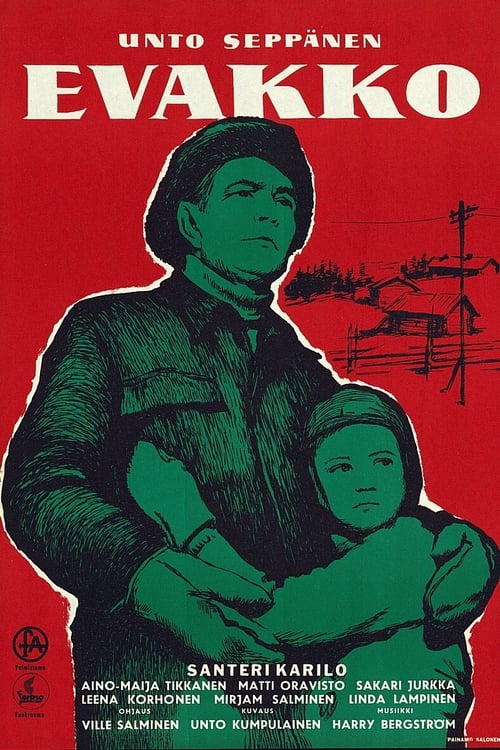
Evakko is a portrayal of Soviet-Finnish winter war of 1939/40 and the associated evacuations in different parts of the country. It tells the story of a Karelian family along with their whole village who were forced to leave their homes because of the war. The film has a surprisingly perky tone for the subject matter.

August 1941. Residents of the Ural town escorted to the front of men. Left alone, women take on the most difficult cases, showing outstanding organizational skills and will. Together with the evacuated plant, refugees arrive in the town. The heroine of the Film Anna takes to her house a woman with children — her example is followed by the rest…

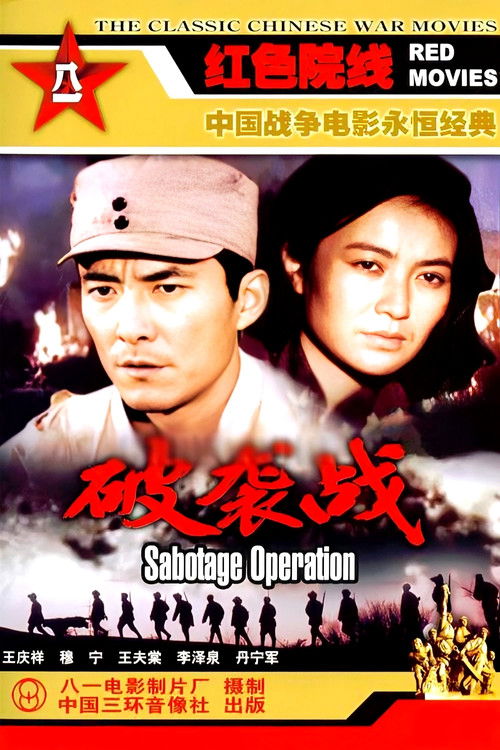
Teacher Huang San extends to his pupils the high principles of patriotism, thus arousing the hatred of the occupying Japanese. Huang is forced to flee and to escape from the Japanese clutches. One night, he helps a robber escape from a pursuing Japanese officer by firing his gun and thus unintentionally kills the Japanese. Huang San follows to his hideout and from then on, Huang San joins the bandits. Huang San attempts to rob a house but discovers that the occupant is none other than his student Wang Zhongkang who is involved with the guerrillas. Huang San decides to help Zhongkang raid the military arsenal of the enemy. However, as Huang gradually gains the trust of their chief, some jealous associates within the bandit group informs on him. Huang and Zhongkang carry out their raid amid a fierce confrontation, Zhongkang successfully implements his mission but Huang is killed in the battle.
In December 1987, the (first) Palestinian Intifada broke out and the Occupied Territories were set alight with a mass wave of demonstrations, protesting the ongoing Israeli occupation – the largest scale, longest-running ones seen in the area since 1967. The IDF was sent in to quash the uprising and before long, TV screens across the country were inundated with footage of burning tyres, stones thrown about, and baton-wielding Israeli soldiers chasing after teens and children. In the face of this new reality that made the question of the Occupied Territories the single most pressing issue of the time, the Jerusalem Film Festival went ahead and commissioned the following project. The result is a classic, Heffner-esque film – an intelligent labyrinth containing the most fundamental of Israeli tropes: The Holocaust; Arabs; us vs. them – all of which find themselves clashing and intermingling, and ultimately rendering the viewers helpless and cringing with awkwardness.
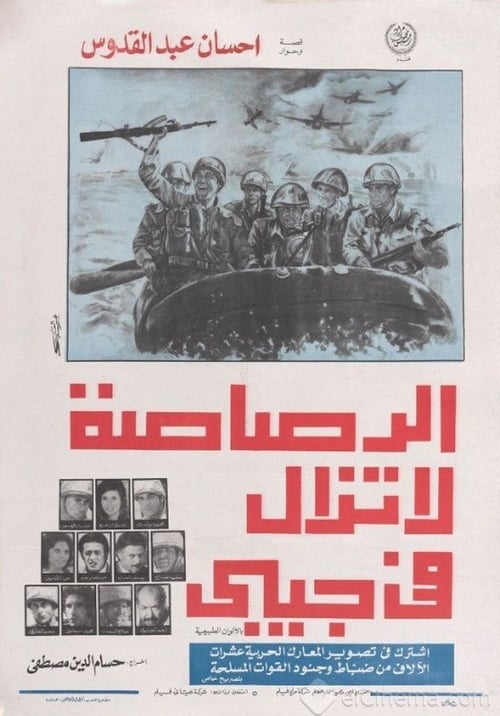
Mohamed is a soldier who finds himself in Gaza after the defeat in the 1967 War. He returns to his native village feeling broken and depressed after witnessing the deaths of his fellow soldiers. He still loves Fatima but her father wants her to marry Abbas who exploits the farmers and eventually rapes her.
The television film based on the novel of the same name by Ladislav Mňaček draws on the period of World War II and the Slovak National Uprising. The film's story is composed of two intertwining time lines. In the images of the present that frame the entire narrative, the young partisan Voloďa - a hero with autobiographical features - recovers from a serious injury. In feverish reminiscences and in conversations with his nurse Eliška, he recapitulates the eventful events of his time in the partisan group in the village of Ploština, which the partisans abandoned under the pressure of events and left to the mercy of the German commando. Voloďa is haunted by visions of the burning Ploština, remorse and responsibility for the tragedy. In feverish reminiscences, he relives the meetings of the partisan detachment with the German commando. Memories of the mysterious Jewish girl Marta, a partisan liaison with whom Pavol had a passionate love affair, also return to him.

During World War II, a squad of five American soldiers become lost in Tunisia and are killed one by one in fights with German units. Finally only one man, Private Russo, is left, in the midst of a mine field, together with a German officer, locked in a stalemate. Russo has water, while the German claims to have a map revealing the mine positions. So Russo agrees to swap water for the map, but the German officer tries to double-cross him. This was Burt Topper's debut film, made on 16mm on weekends together with some friends in Indio, California. It was also Wally Campo's debut film, as well as script supervisor Joyce King's.
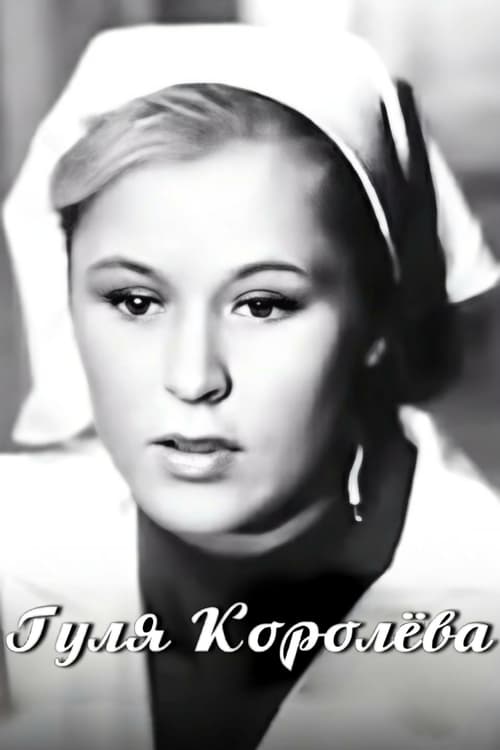
Since childhood, Gulya Korolyova cultivated willpower, the ability to overcome difficulties, and reach her heights. The main test of her short life was the war. In the Battle of Stalingrad, under fire, Gulya carried out wounded soldiers and, being wounded herself, found the strength to lead the detachment on the offensive. She took her fourth height, which became her last.

Documentary about Finnish concentration camps build for Russians inhabiting the Karelia area during the Continuation War.

In the North West Frontier Province of Pakistan, a widowed father expects his only son to follow in his footsteps. Darra Adam Khel is home to the ethnic Pashtuns. The local industry is the handcrafting of firearms. It has been this way since long before the war on terror. Eleven-year-old Niaz Afridi works with his father learning how to make and test weapons just as Sher Alam learnt from his father before him. But Niaz doesn’t want to follow in his father’s footsteps. He wants to go to school.
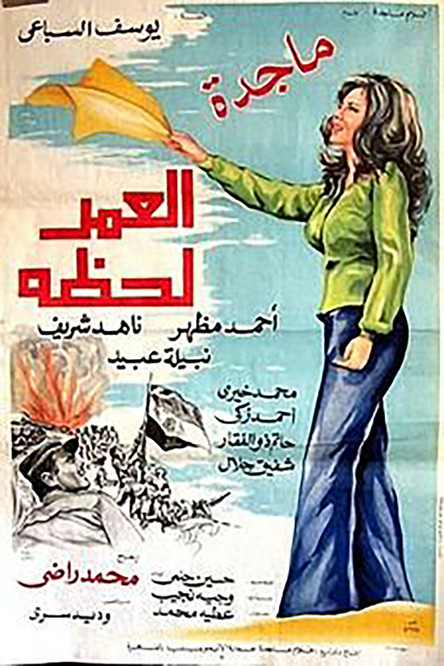
In the wake of the June 1967 war, Naamat lives on the hot side of her life, with her husband Abdelkader, the editor of one of the newspapers in which she works as a liberator and abuser with many capabilities, including his articles calling for despair during the war with Israel; That national action is the key to one's personality. So she took care of volunteer work in a hospital, she got to know a group of fighters, including Mahmoud, the lightning officer who has trouble with his wife, and others who gave themselves to serve the homeland.
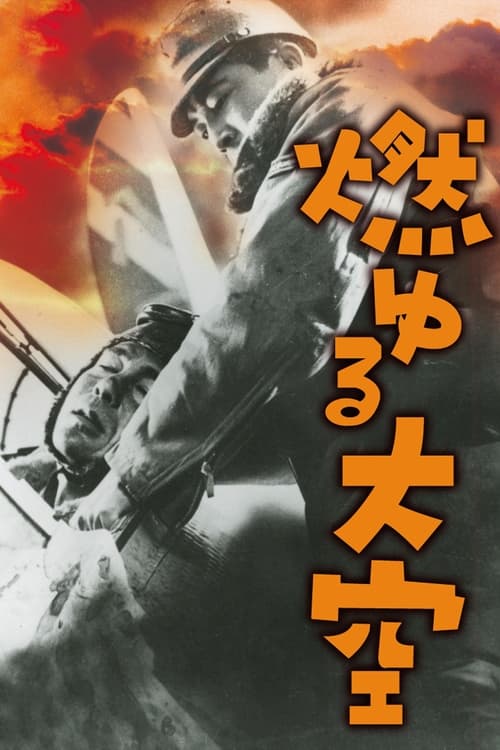
The film was produced during Second Sino-Japanese War, before the Pearl Harbor Attack in 1941. The film mainly concerns the training of newly-recruited pilots and their daily life, then their subsequent fighting experiences in China. Army supported the production, providing all the authentic airplanes, training and actual actions. They even provided the older biplanes disguised as Chinese fighter planes. Obinata plays the trainer-turned-combat-leader, who is passionate and cool at the same time. All his boys love him, of course. The film is not as intense, full of sugar-coated camaraderie, until young pilots are killed in action one by one. Last twenty minutes are fairly grim, as the message of self-sacrifice is heard loud and clear.
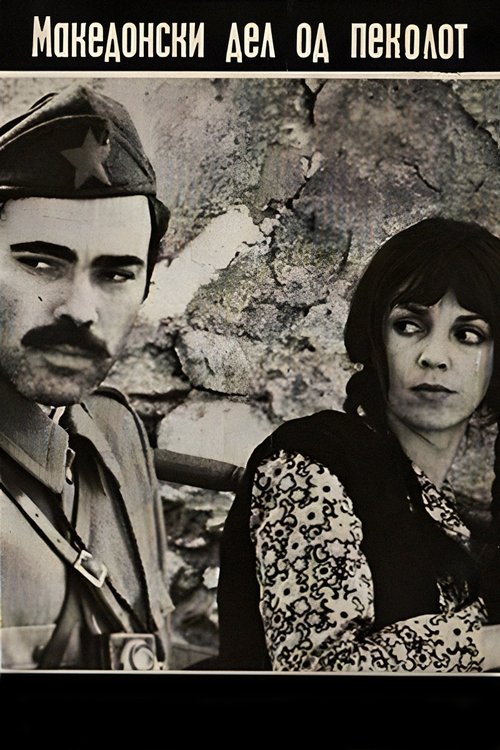
At the end of the year 1942 and the start of 1943, to stop spreading the revolution in county of Bitola, bulgarian occupiers are reinforcing the persecutions and the acts of violence on civil population.
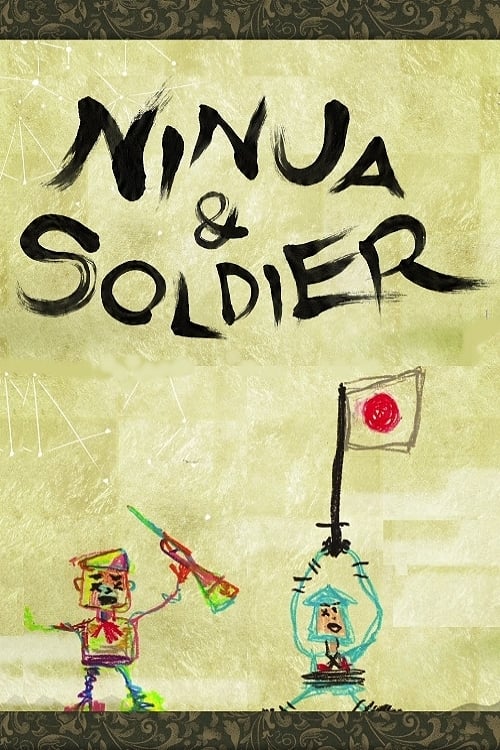
Two eight-year-old boys compete in a game of childish bravado. Ken is a Ninja, Nito a child soldier from the Congo who was forced to kill his own mother. Their naïve game addresses cruel realities, and they talk about their differences and what they have in common. Accompanied by contrasting graphics, the film explores the types of acts of which humankind is capable.
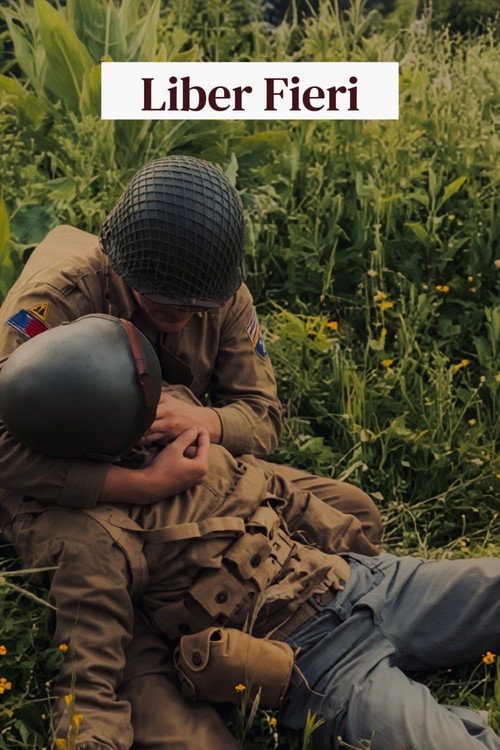
Jewish boy “Leib”, has to endure through the challenge of surviving the Holocaust while US soldiers try to liberate his camp.