Protocol Archives • Browse all History titles in HD

After years of living abroad, Luisa comes home to surprising news: an engagement to the wealthy bachelor Diego, much to the dismay of her secret lover, the farm boy Anton. Can love keep them safe when everything else falls apart? Philippine Airlines’ latest inflight safety video is a full-blown telenovela—packed with drama, heated confrontations, and heartbreaking tears—to keep you watching until the very end.
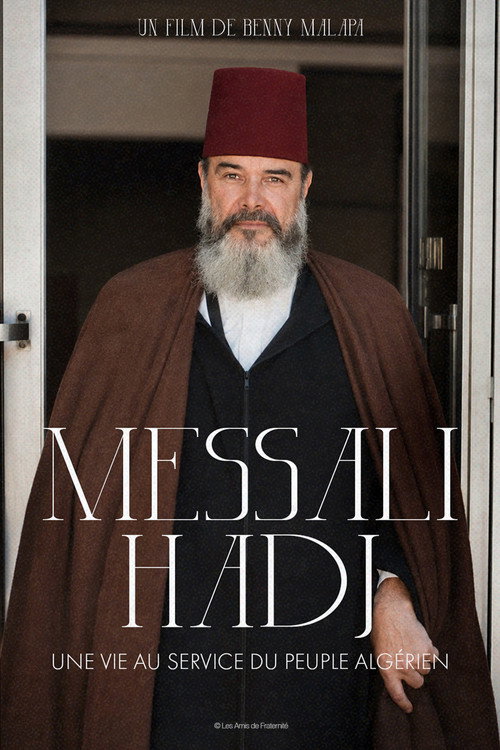
The life and political activism of Messali Hadj (1898-1974), an Algerian internationalist politician who played a pioneering role in the process leading to Algerian independence, which he demanded as early as 1927. He was initially secretary of the North African Star (ENA), then in 1937 he founded the Algerian People's Party (PPA), in 1946 he founded the Movement for the Triumph of Democratic Liberties (MTLD), and finally in 1954, the Algerian National Movement (MNA). In 1937, the leadership of the North African Star (ENA) created its flag, green with a white star and crescent. Messali Hadj's wife, Emilie Busquant-Messali, simply sewed this ENA flag by machine; it would later become the flag of the PPA. In 1943, Messali Hadj, in conjunction with the party leadership, created the ENA-PPA flag, green and white with a red star and crescent, which would later become the current flag of the People's Democratic Republic of Algeria.
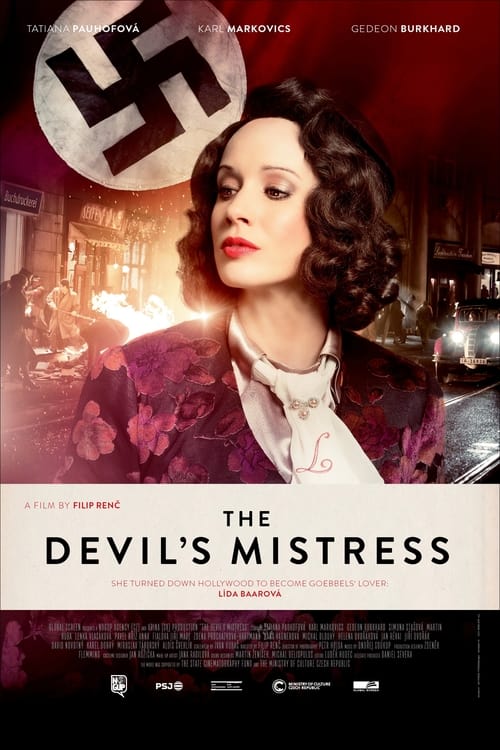
Salzburg, Germany, 2000. The elderly Czech actress Lída Baarová tells a journalist the tumultuous story of her rise to fame in 1930s Berlin and her passionate relationship with the sinister Joseph Goebbels, Minister of Propaganda of the Third Reich.
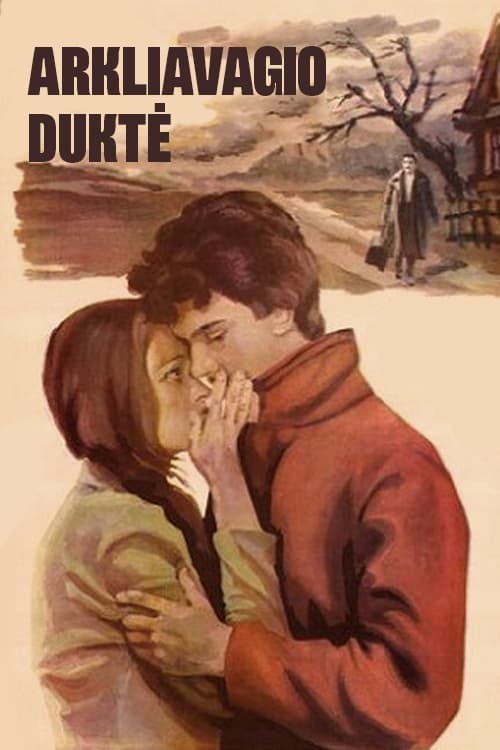
A movie based on the stories by Antanas Vienuolis.
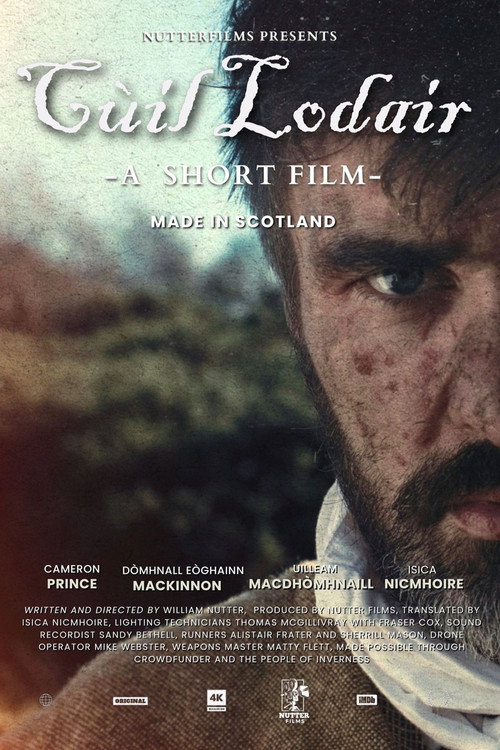
Set in the aftermath of the infamous Battle of Culloden, Cùil Lodair follows Eòin, a defeated Highland soldier navigating a shattered landscape.
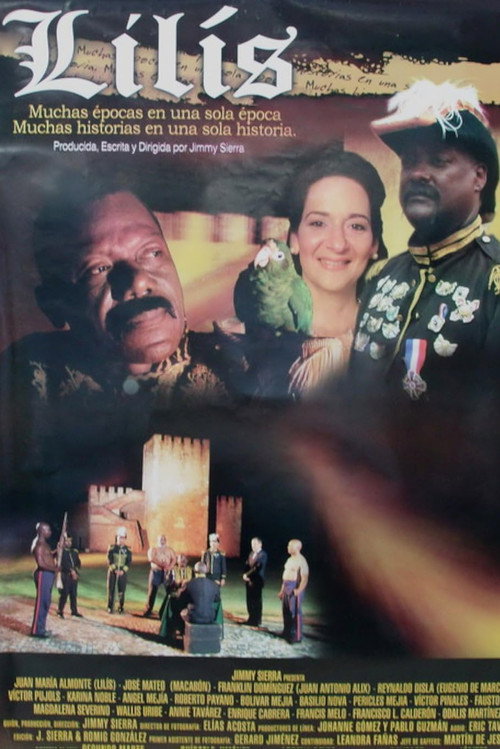
The story of 19th-century Dominican dictator, Ulises Heureaux, from the start of his presidency in 1882 until his assassination in 1899.
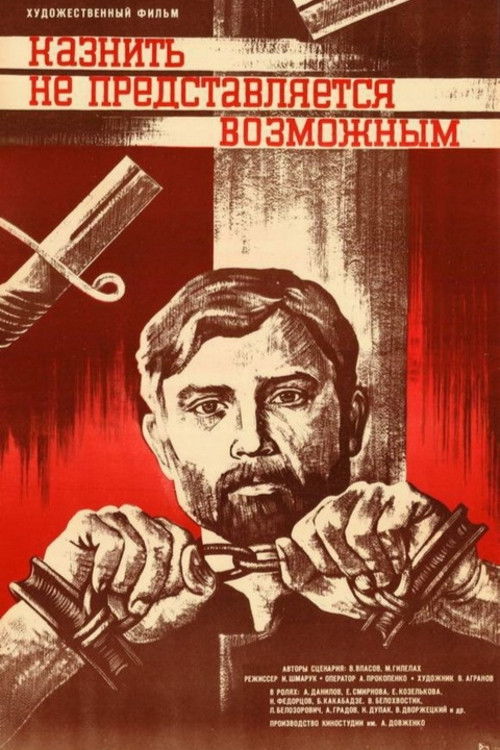
Boris Zhadanovsky, a hereditary nobleman and officer who was predicted to have a brilliant military career, sides with the rebellious people. In 1905, Zhadanovsky is sentenced to death for his revolutionary activities. However, a powerful strike movement organized in response to the court's decision forces the tsarist government to commute the sentence to life imprisonment. After the revolution, Zhadanovsky joins the Red Army and dies fighting the White Army.
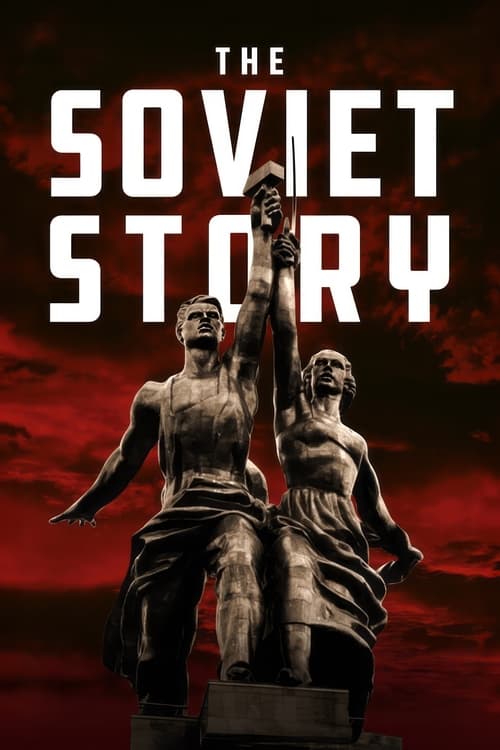
“The Soviet Story” is a story of an Allied power, which helped the Nazis to fight Jews and which slaughtered its own people on an industrial scale. Assisted by the West, this power triumphed on May 9th, 1945. Its crimes were made taboo, and the complete story of Europe’s most murderous regime has never been told. Until now...

Documentary showing farming in a rural part of Britain.
A film based on the home-run legend's life.

Hilma af Klint (1862-1944) is an important part of art history and one of the first ever painters of abstract art. However, unlike the work of many of her peers at the time hers was misunderstood and neglected until long after her death. This is a story about Hilma and the circumstances which made her paintings possible. The film picks up during her early life and ends today; when her art connects with people of all religions and cultures. Just as she intended.
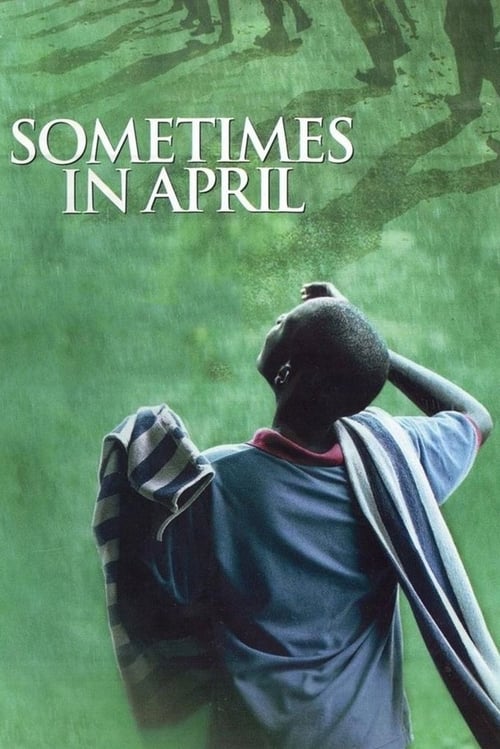
Two brothers are divided by marriage and fate during the 100 horrifying days of the 1994 Rwandan genocide.
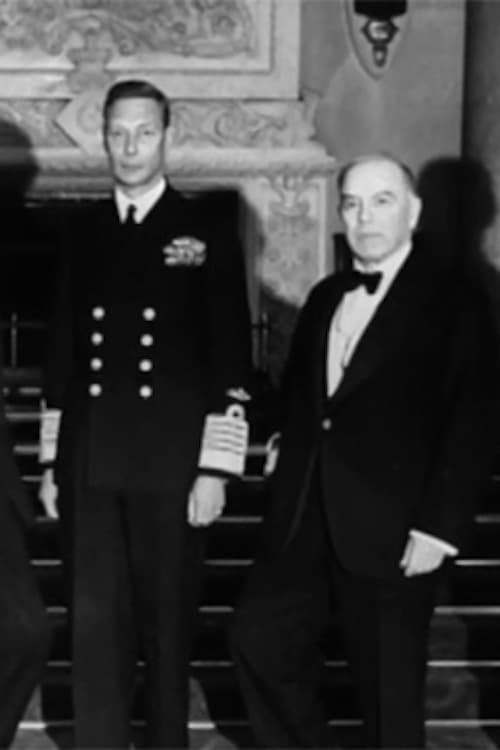
This short satirical film, created entirely from archival footage, is about the British Empire—on which the sun never sets. The majority of the humour and wit is found in the interplay between image and sound: what we see during the formative days of the Empire, and what famous servants had to say about it. Edited by Oscar®-nominated experimental filmmaker Arthur Lipsett (Very Nice, Very Nice).
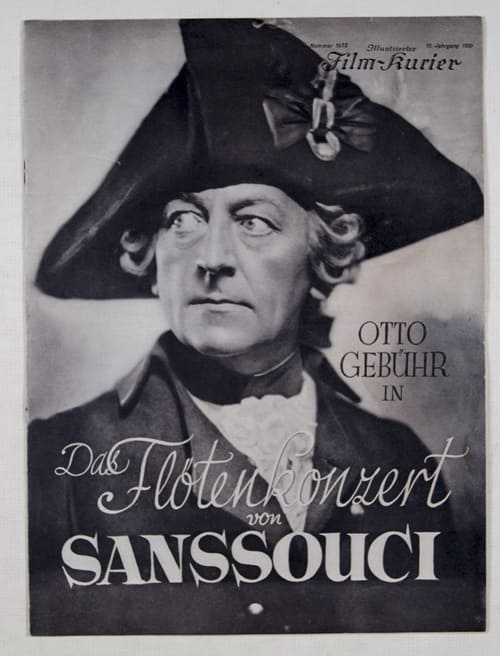
In 1756, a masked ball was officially celebrated in the Dresden Palais of the Saxon Minister Heinrich von Brühl. Unofficially, however, talks are taking place with the envoys of Austria, Russia and France with the aim of conspiring against the Prussian King Frederick II. The Prussian envoy, Major von Lindeneck, succeeded in bringing a copy of the concluded secret treaty to the Prussian king. Friedrich consults with his generals, who urge caution. Friedrich is stunned by the reaction and now develops a counter-plan. To do this, he sends von Lindeneck back to Dresden. However, the latter is not very enthusiastic about this, as he thinks he has reason to doubt his wife Blanche's marital fidelity, and he now has to leave her alone.
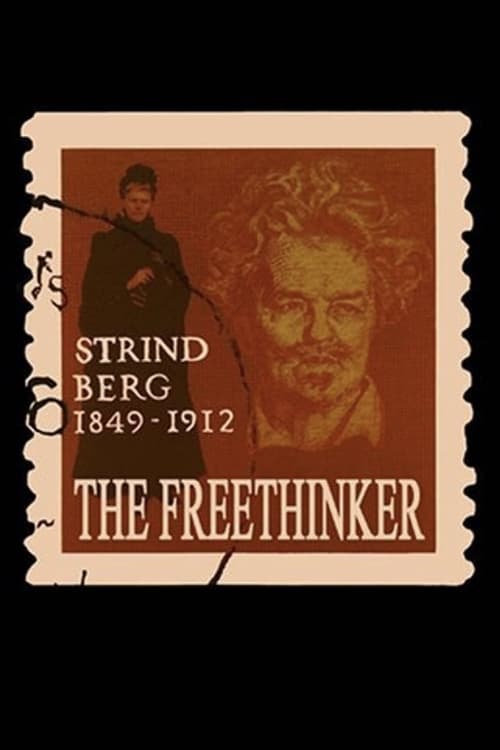
The film portrays the Swedish playwright, novelist, poet, essayist and painter August Strindberg's life 1849-1912. Through his extensive correspondence and literary production, from the supposed first work, the drama "The Free Thinker" (1869), to the posthumously published "The Occult Diary" (published 1977 ). But also his three wives, Siri von Essen, Frida Uhl and Harriet Bosse, and the children Karin, Greta and Hans are given space in the film. The unpublished first drama "The Free Thinker", depicts a young man forced to break with family and tradition to follow his conscience and ideals, becomes a prophecy about the author's own life.
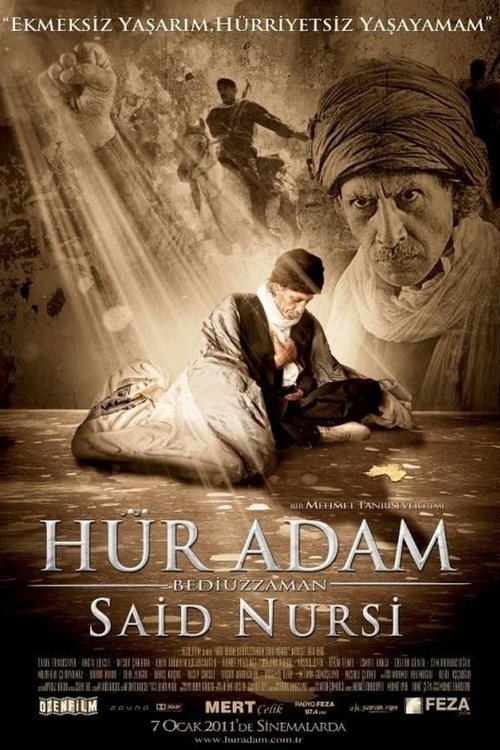
“Hür Adam” or “Free Man” in English is the real-life story of a very influential Kurdish scholar in Turkey that had lived between 1877-1960, 'Said Nursi'. A writer, philosopher, and philanthropist, he compiled many books on Islam covering various themes of faith, brotherhood, and philanthropy and exploring the reasons behind societal weakness, poverty, ignorance, and divisions.

Children and families will laugh, sing-along, and learn animal and nature facts that are all based on the truth of what the Bible says. You will learn about the many species and variations within bears and how they all originate from the biblical kind, God calling us to be fishers of men, the raising of the mountains and lowering of valleys, the value of gold in the Bible, and more! So bring the whole family together and get ready for another “Amazing Adventure” with Buddy Davis!
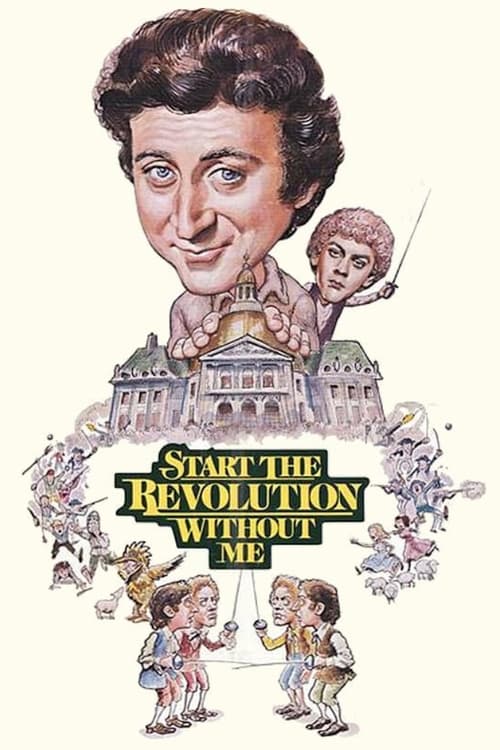
Two sets of identical twins are accidentally switched at birth. One pair, Phillipe and Pierre DeSisi, are aristocratic and haughty, while the other, Charles and Claude Coupé, are poor and dim-witted. On the eve of the French Revolution, both sets find themselves entangled in palace intrigue.
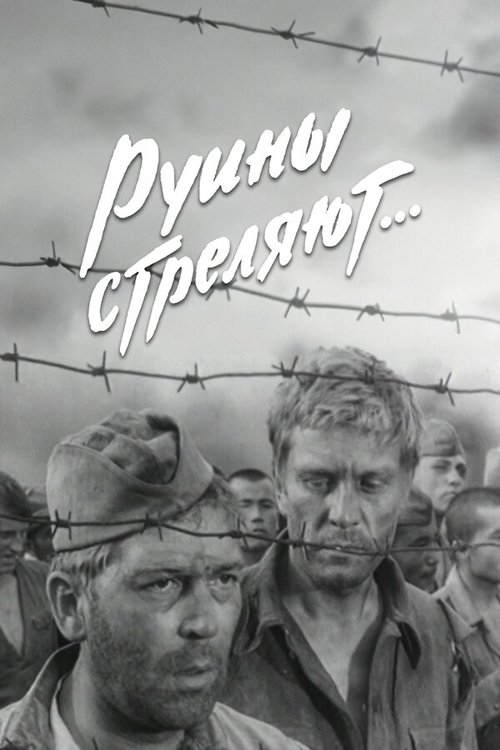
The plot centers on the people who began to form underground groups from the very first days of the occupation of Minsk: oil engineer Isa Kazinets, soldier Ivan Kabushkin, student journalist Vladimir Omelianuk, medical professor Yevgeny Klumov, party and Soviet worker Sergey Blagorazumov, and others. Their main weapon was their hatred of the occupiers. Soon, the underground fighters managed to establish contact with the partisans, and they began to plan joint operations.