Protocol Archives • Browse all History titles in HD
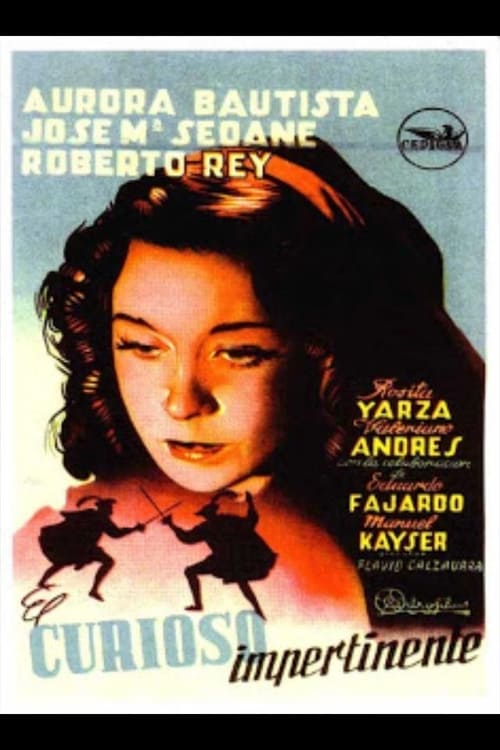
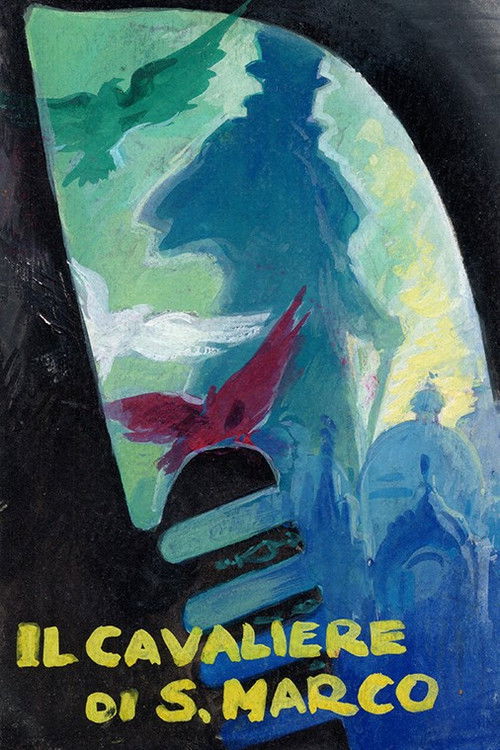
Daniele Orsenigo, a young Venetian fighting for the unification of Italy, has an important message to deliver to the Carboneria of Parma.
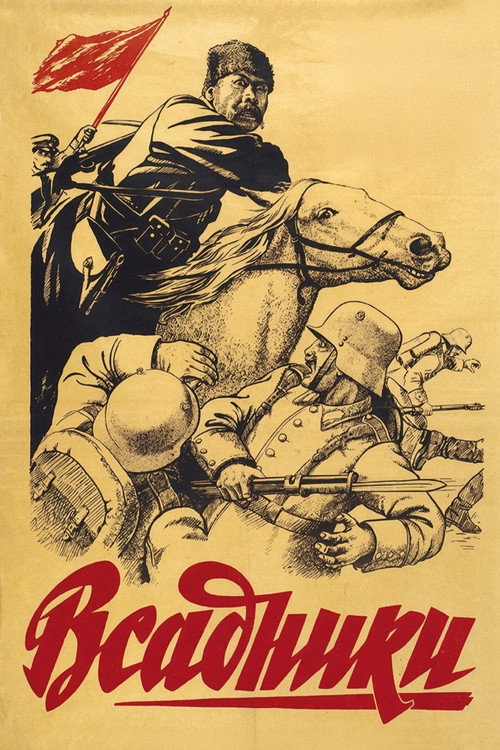
Episodic story of the resistance to the German invasion of Ukraine in 1918 during World War I, and made as an example of the guerrilla warfare and fierce spirit in which Ukrainian peasants were again resisting Teuton onslaughts in 1939. Highlights a small band of guerrillas and their battles using scythes, shotguns and, often, just clubs against the Kaiser's army in the Ukrainian forests.

A fictionalized account of the lives of 1980s Tamil Nadu political icons M. G. Ramachandran and M. Karunanidhi, continuing the tryst between Tamil cinema and Dravidian politics.
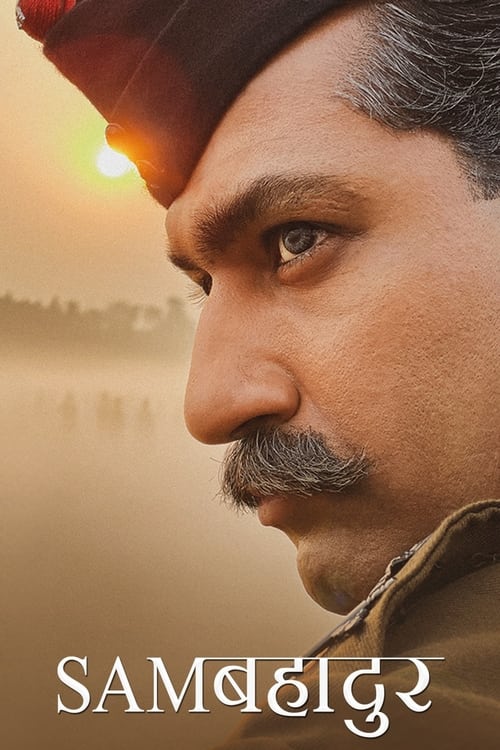
Based on the life of Sam Manekshaw, who was the Chief of the Army Staff of the Indian Army during the Indo-Pakistani War of 1971, and the first Indian Army officer to be promoted to the rank of Field Marshal.

Admiral Isoroku Yamamoto (1884-1943) was the Japanese Naval commander who was given the order to attack Pearl Harbour, an order he was duty bound to obey which went against his own personal beliefs. While this infamous attack is a low point in Japanese and US history it wouldn’t have happened if the Japanese government had listened to Yamamoto in 1939 and searched for a more peaceful way to end their war campaign, proving his many ominous presages of the outcomes of the attack to come true.

A bickering couple's cinema date takes a surreal turn as their argument is echoed on the silver screen.
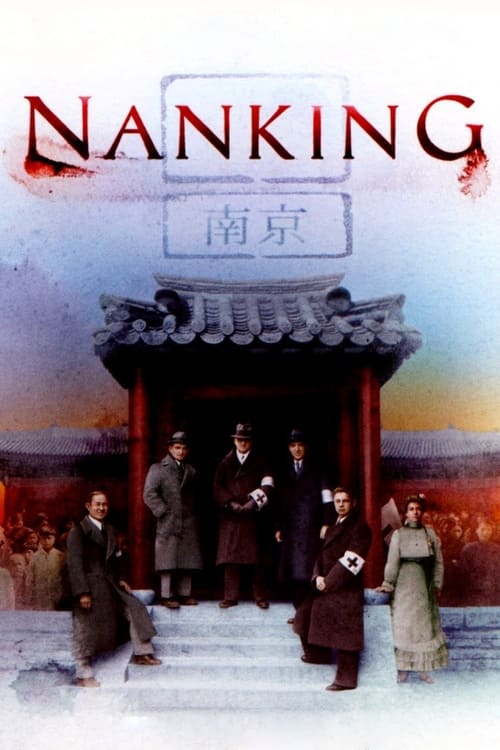
The story of the rape of Nanking, one of the most tragic events in history. In 1937, the invading Japanese army murdered over 200,000 and raped tens of thousands of Chinese. In the midst of this horror, a small group of Western expatriates banded together to save 250,000. Nanking shows the tremendous impact individuals can make on the course of history.
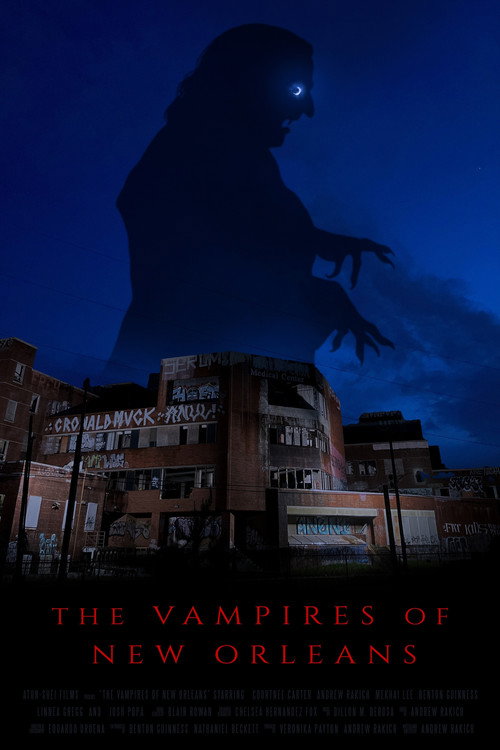
The horrors of New Orleans history reverberate down to the present in this docudrama combining Southern Gothic terror with investigations into the city's real-life folklore.

A village in Cambodia. Bopha raises her son Sokhem alone. One night, guided by a strange voice, he sets off in pursuit of a magic mango. Bopha follows him and reaches the border between the world of the living and the dead. Memories of war and oppression resurface. Bopha then reveals his heavy secret.

Dame Janet Baker, in one of her greatest roles, leads a cast of some of Britain’s finest interpeters of baroque opera and their performance under the baton of Sir Charles Mackerras is one of the highest musical excellence. John Copley’s acclaimed English National Opera production was restaged in studio, skilfully using all the technical advantages offered, to create this top quality recording. The opera was first performed in 1724 at the Haymarket Theatre in London using castrati singers in the heroes’ roles. This production follows modern practice in using women in these parts. Dame Janet’s virtuoso role as Julius Caesar has been heralded as a masterful recreation of the music which Handel wrote for the finest singers of his time.
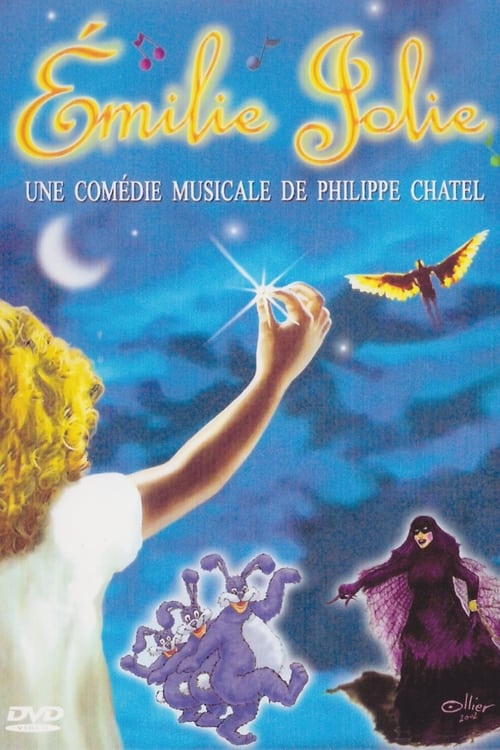
Émilie Jolie follows a young girl who, frightened by the night, opens a picture book to find comfort. She realizes she can interact with the characters, who are all waiting for her to help them find happiness.
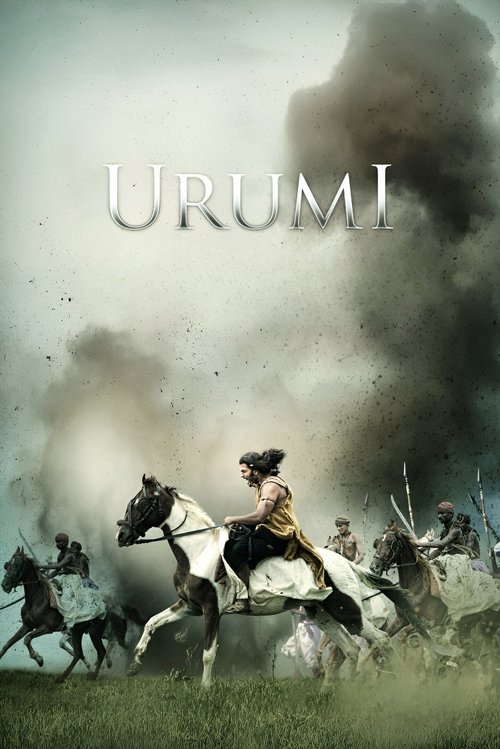
A young man who discovers his ancestral connection to a 16th century warrior who sought revenge against Portuguese explorer Vasco da Gama. Blending history and legend, the story traces a rebellion fueled by betrayal, courage, and the fight against colonial conquest.
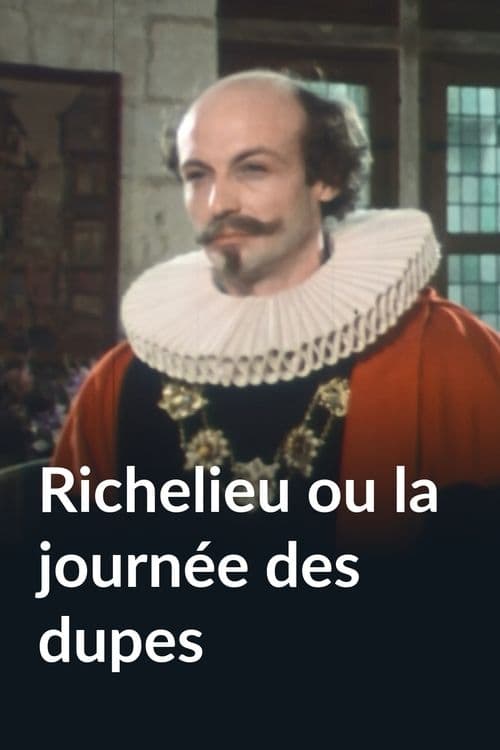
A historical television film directed by Jean‑Dominique de La Rochefoucauld, Richelieu, or The Day of the Dupes recounts the political tensions that came to a head in November 1630, when Marie de’ Medici attempted to remove Cardinal Richelieu from power. Blending court intrigue, the king’s illness, and decisive reversals, the film portrays the struggle for influence that ultimately cemented Louis XIII’s trust in his minister. Led by Didier Sandre, Patrick Raynal, and Dominique Blanchar, the telefilm offers a meticulous reconstruction of the events that shaped the kingdom’s balance of power.
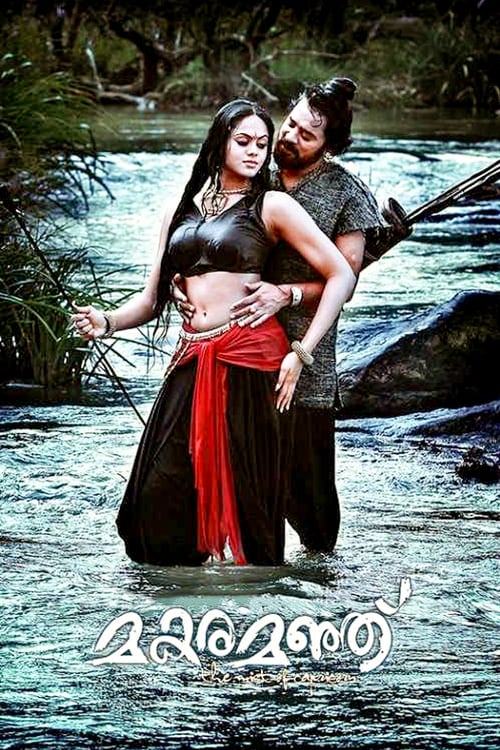
The film tells the story of Raja Ravi Varma at a certain stage in his life. He is in the process of painting a masterpiece. The theme of his painting is Pururavas, the legendary king who fell in love with the heavenly nymph Urvashi, who later agrees to become his wife on certain conditions, but disappears without a trace when she discovers that the conditions were violated. Pururavas wanders all around to find her and ultimately does get united with his lover. Ravi Varma, during his work, finds himself attracted to his model Sugandha Bhai and this relationship begin to acquire certain shades of the legend of Urvashi and Pururavas. Together they are thrown into a torrent of love and passion from which they find it difficult to scape.
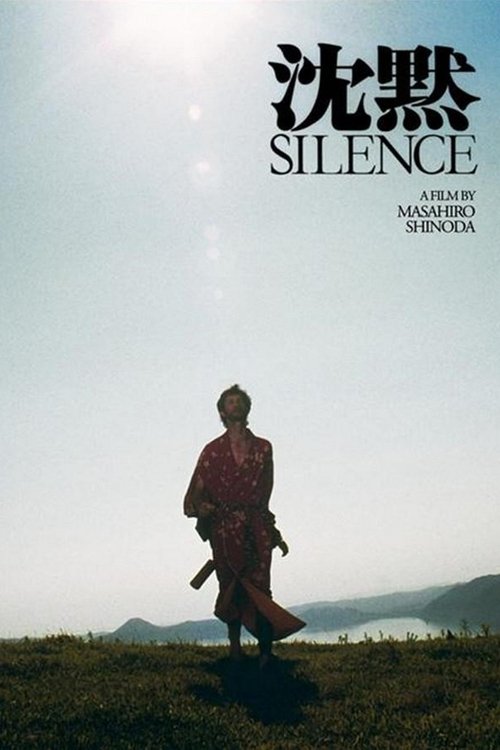
In 17th-century Japan, two Portuguese Jesuit priests seek their mentor, who is rumoured to have committed apostasy, and to propagate Catholicism.
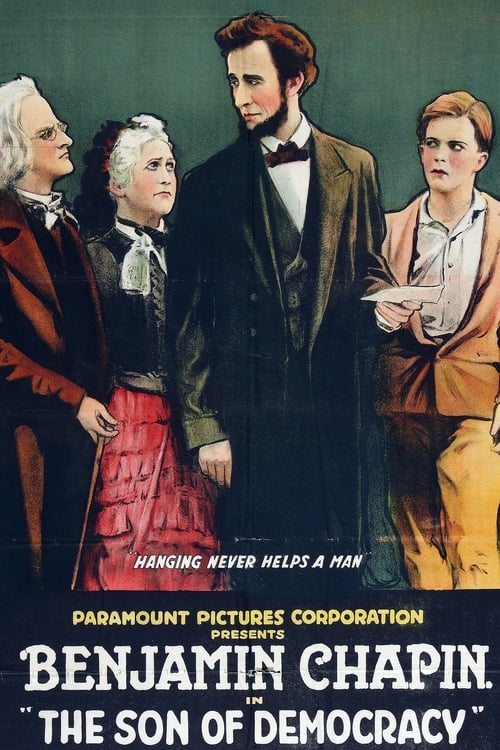
This remarkable series of 10 short silent dramas by John M. Stahl, produced by Benjamin Chapin as a vehicle for his performance as Abraham Lincoln, are structured entirely around memory and recollections of the past.

Georg Lurich was a world-famous Estonian professional wrestler in the early 1900-s who became a legend already in his lifetime. He was called not only the world's best technique-wrestler but he was also a sports-philosopher, health and temperance activist, an efficient sports manager, a talent in acting, writing and chess, a "world's citizen" who spoke more than ten languages and an athlete with enormous popularity. At least 14 wrestling clubs in Europe and USA carried his name. This film is an unpretentious attempt to recall that unique man, the first world-famous Estonian.

Slovakia, World War II. Two musicians join partisans to free their country from Nazi occupation and witness the horrors committed by Hitler's soldiers.