Protocol Archives • Browse all History titles in HD

The story of the Podolsk cadets’ heroic stand outside Moscow in October 1941. Cadets were sent to the Ilyinsky line, fighting alongside units from the Soviet 43rd Army to hold back the German advance until reinforcements arrived. Hopelessly outnumbered, young men laid down their lives in a battle lasting almost two weeks to obstruct the far superior German forces advancing towards Moscow. Around 3,500 cadets and their commanding officers were sent to hold up the last line of defense outside Moscow. Most of them remained there for eternity.
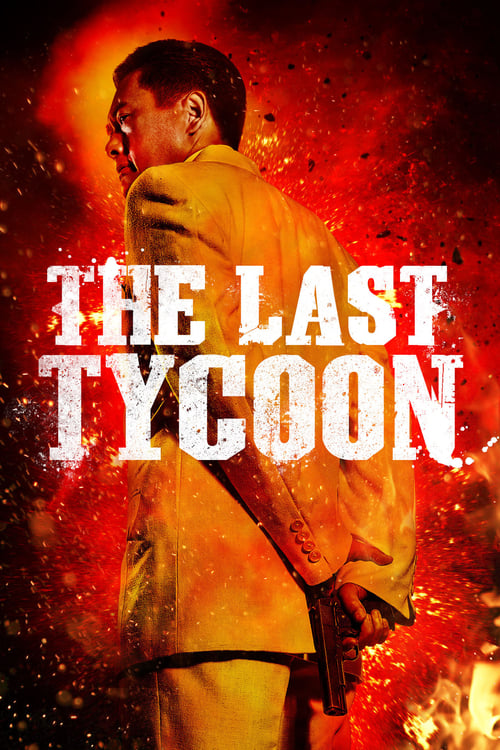
Cheng, a young man who is set up by the chief of police, must leave the life he knows and Qiu, the woman he loves, to start again. After escaping prison Cheng quickly and violently moves his way up the ladder of Shanghais criminal underworld to become on the most powerful mob bosses in Shanghais history. But fame and notoriety take their toll when Cheng finds himself stuck between the looming Japanese army and the scheming local secret service. Matters are only made worse when he bumps into the love of his life QIU, along with her writer husband. Will love re-kindle in the dusk of an era?
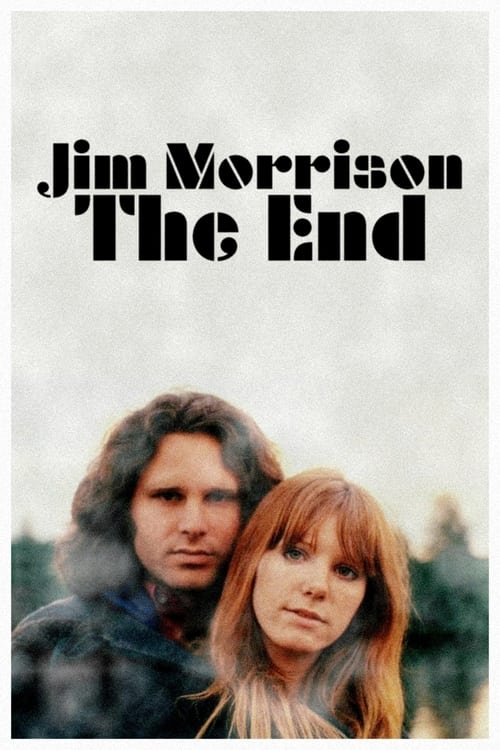
Paris, Rue Beautreillis, July 3, 1971. The corpse of rock star Jim Morrison is found in a bathtub, in the apartment of his girlfriend Pamela Courson. The chronicle of the last months of the life of the poet, singer and charismatic leader of the American band The Doors, one of the most influential in the history of rock.

The Philippines, 1898. Fifty Spanish soldiers arrive in the small village of Baler to rebuild an outpost. Although the war against the Filipinos and their American allies is almost lost, as is the Spanish Empire, the garrison will endure a cruel siege for eleven months. They will be the last to surrender.
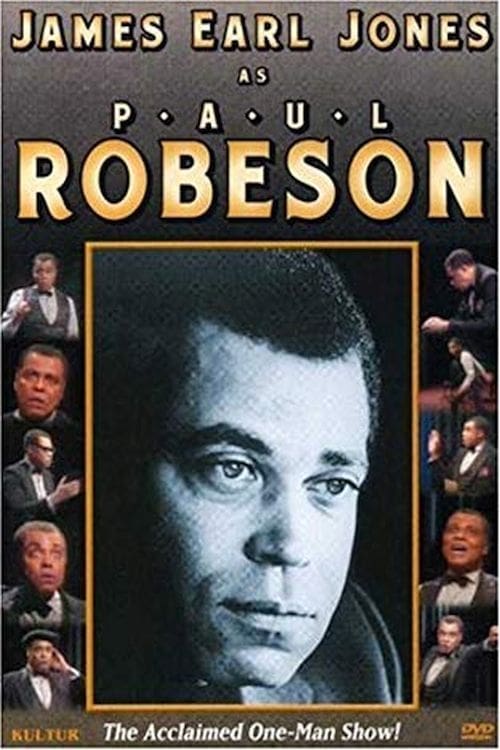
Major events in the life of Robeson are recounted in this solo performance.
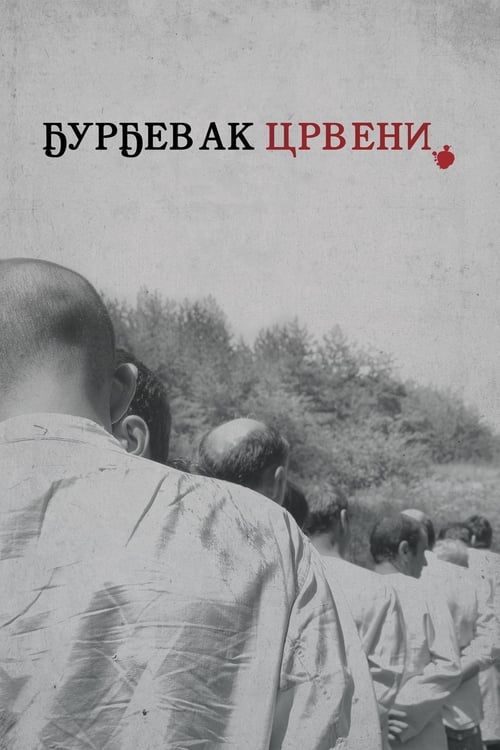
Unknown Serbian author creates one of the most popular Serbian folk songs "Djurdjevdan" (St. George Day) in the 'Train of Death' on it's way to Croatian concentration camp Jasenovac, during World War 2.
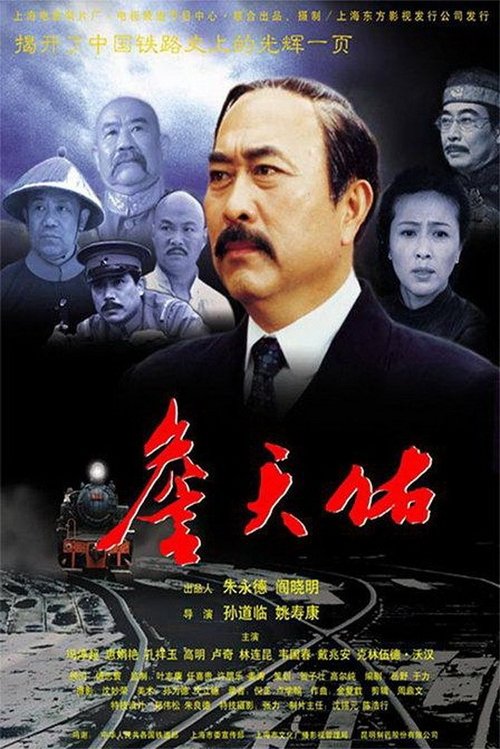

A corona love story. Dina and Noah live separately in London and the lockdown puts their relationship to the test. Uncertainty arises and Dina wants to go back to her home country, whilst Noah wants her to stay. The world has changed. Have they changed with it?
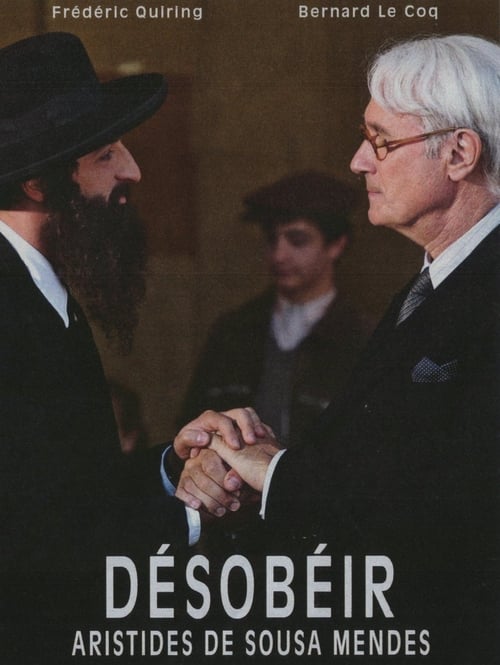
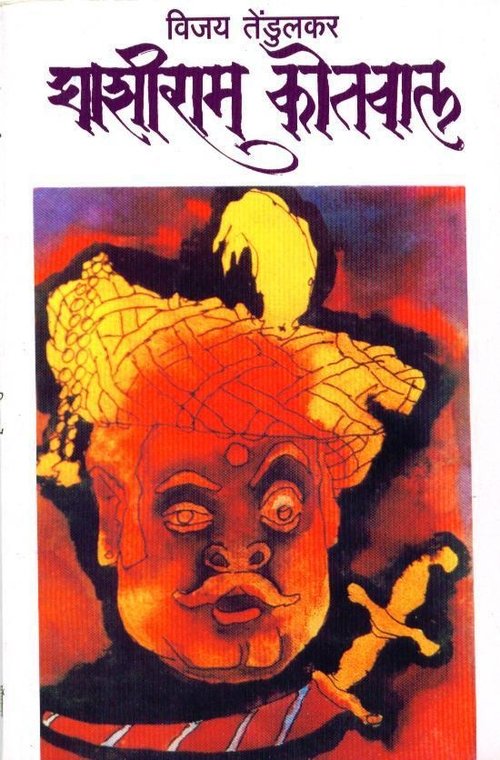
A stylized version of Vijay Tendulkar’s radical Marathi play chronicling the Peshwa regime in western India, a collective effort of direction and cinematography made by an independent group of young filmmakers.
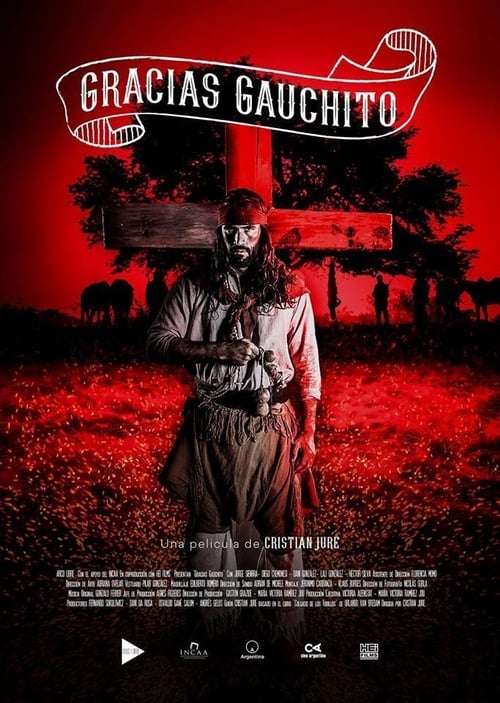
The legend of the life of Antonio 'Gauchito' Gil and the construction of the myth are axes of this story. 40 years after his death, an old man goes through the towns telling the legend of the pagan saint. He tells the story of his miracles and the exploits of the Gaucho, who knew how to do justice in times of war.
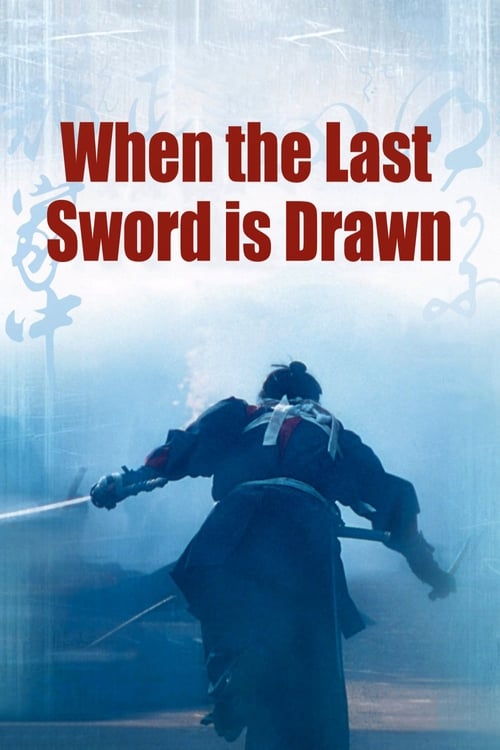
Kanichiro Yoshimura is a Samurai and Family man who can no longer support his wife and children on the the low pay he receives from his small town clan, he is forced by the love for his family to leave for the city in search of higher pay to support them.
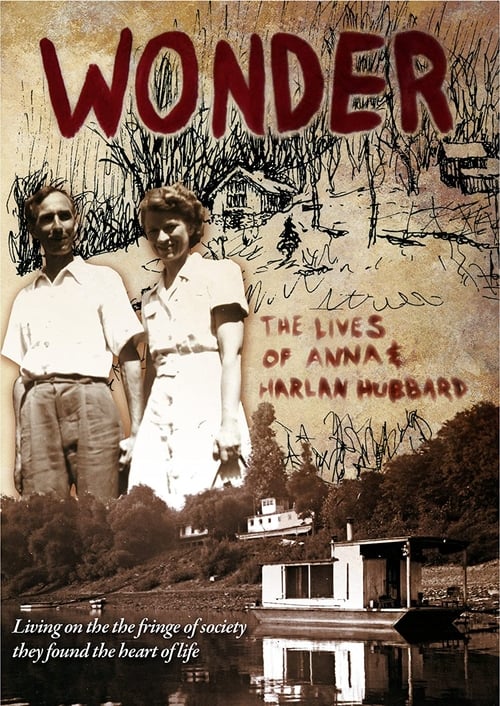
What Henry David Thoreau did for two years Anna and Harlan Hubbard did for forty. Anna and Harlan lived life as few people in modern times have and in doing so inspired thousands. Wonder: The Lives of Anna and Harlan Hubbard , a new documentary by Morgan Atkinson, brings to life their adventures. Harlan was an artist, writer and naturalist born in northern Kentucky. Anna, a scholar and librarian from Grand Rapids, MI. They met in Cincinnati and began their life together in the mid-1940's by building a boat, then floating from Cincinnati to New Orleans. Their voyage lasted five years. They then settled on the banks of the Ohio River in rural Kentucky. In a house they built by hand, sustained by food they raised or caught, aided by no electricity or modern convenience, Anna and Harlan, met the world on their own terms and found deep meaning. Wonder considers their astonishing life of freedom and what it says to Americans today.

In a tiny town in an unnamed Latin American country in the 1930s, a young telegraph operator helps link the small, repressed community to the outside world, against the will of the powerful colonel who rules the village like a dictator.

Five-time Olympic medalist and Native Hawaiian Duke Paoa Kahinu Mokoe Hulikohola Kahanamoku shattered records and brought surfing to the world while overcoming a lifetime of personal challenges. Waterman explores his journey and legacy as a legendary swimmer, trailblazer, and the undisputed father of modern-day surfing, following the sport’s first-time inclusion in this year’s Summer Olympics – a fitting tribute to his work promoting the sport around the globe.
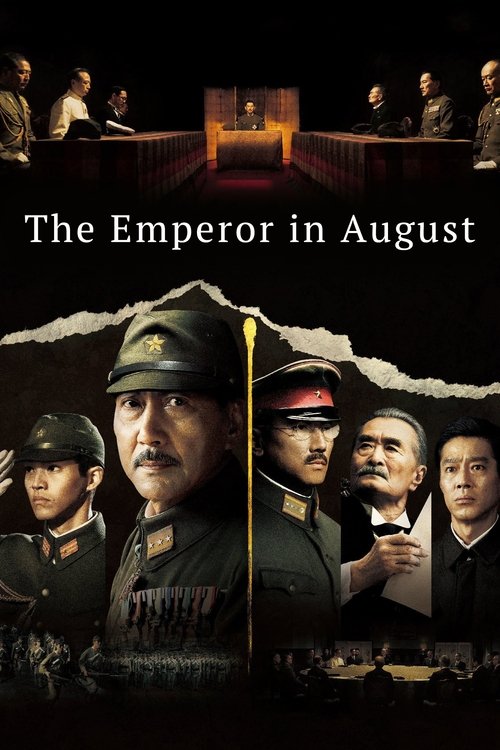
In July 1945, during the end of World War II, Japan is forced to accept the Potsdam Declaration. A cabinet meeting has continued through days and nights, but a decision cannot be made. The U.S. drops atomic bombs on the cities of Hiroshima and Nagasaki, Japan. General Korechika Anami is torn over making the proper decision and the Emperor of Japan worries about his people. Prime Minister Kantaro Suzuki leads the cabinet meeting, while Chief Secretary Hisatsune Sakomizu can't do anything, but watch the meeting. At this time, Major Kenji Hatanaka and other young commissioned officers, who are against Japan surrendering, move to occupy the palace and a radio broadcasting station. The radio station is set to broadcast Emperor Hirohito reading out the Imperial Rescript on the Termination of the War.
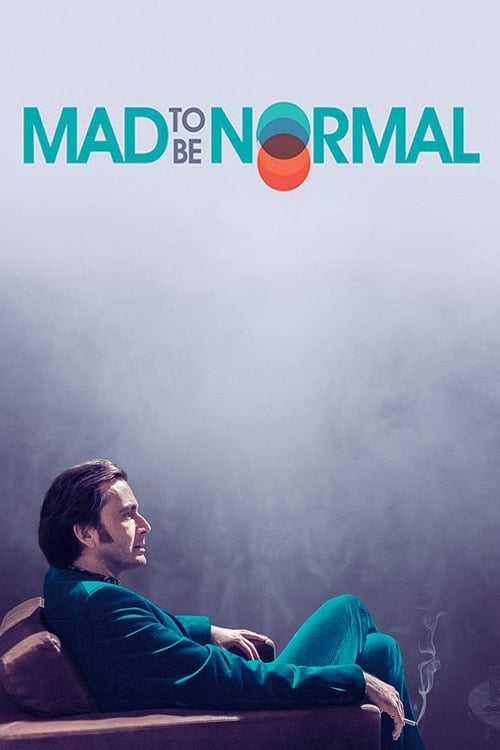
The story of Scottish psychiatrist RD Laing and his unique community at Kingsley Hall, East London in the 1960s.
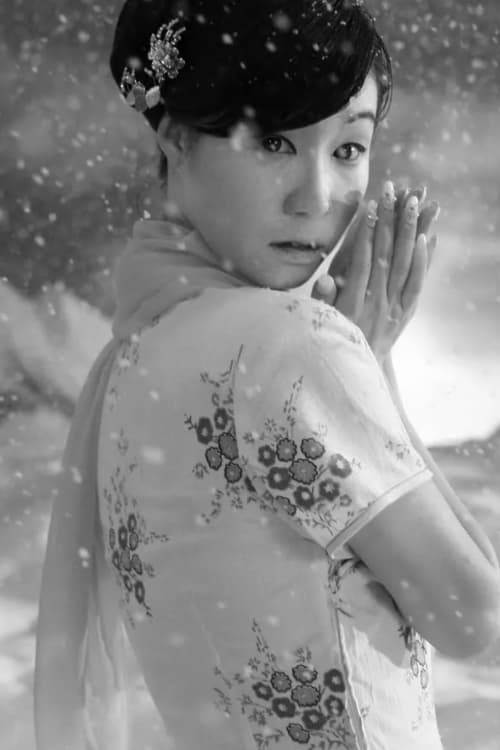
Yejiang / The Nightman Cometh features a cast of strange figures who slip between historical eras. Strewn with symbols of past and future, civilisation and wilderness, dream and reality, the work is laden with filmic, artistic and literary meanings but surrenders to none. An ancient warrior is seen wounded and forlorn after battle, in conflict about his path in life. Yang dramatises the clash between the hero's social role or 'mask', and the more authentic face of his instincts and aspirations. For Yang, the visible world presented in this work is not an objective one but rather the externalisation of internal sentiments.