Protocol Archives • Browse all History titles in HD
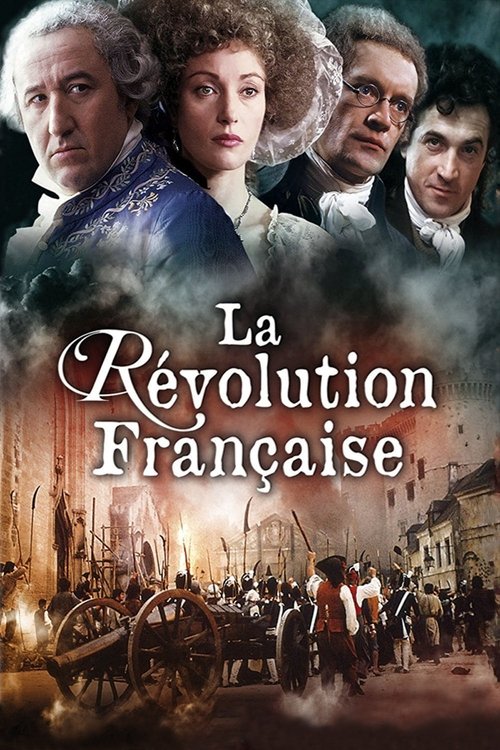
A history of the French Revolution beginning from the decision of the king to convene the Etats-Generaux in 1789 in order to deal with France's debt problem. Part one spans the event until August 10, 1792 (when the King Louis XVI lost all authority and was imprisoned). Part two carries the story through the end of the terror in 1794.
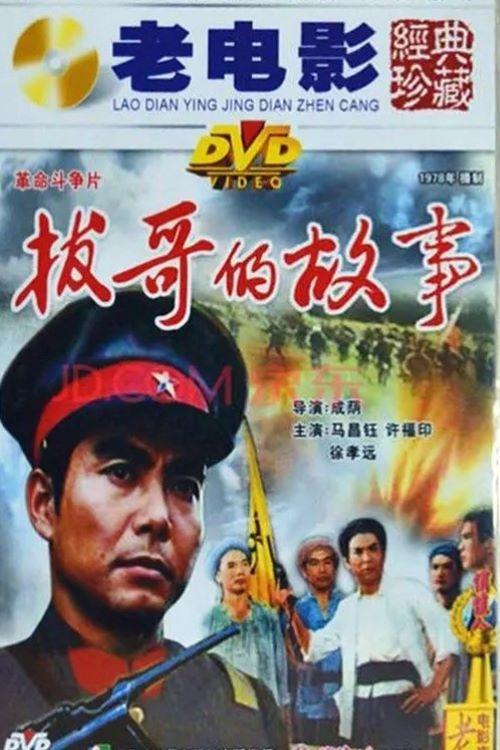

A sequel to the theatrical film "Jaffa's Stories", based on the books by Menachem Talmi and the TV show adaptation.
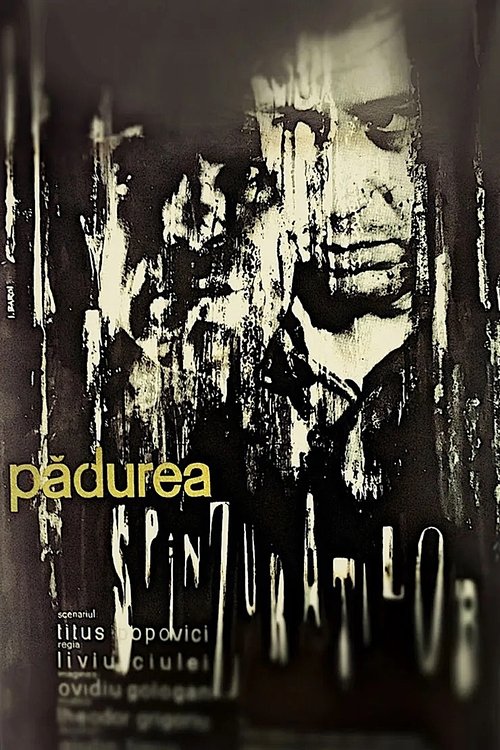
In 1916 as an officer in the Habsburg Army ethnic Romanian Apostol Bologa is torn between remaining loyal to the Habsburgs or deserting to the Romanian Army across enemy lines.
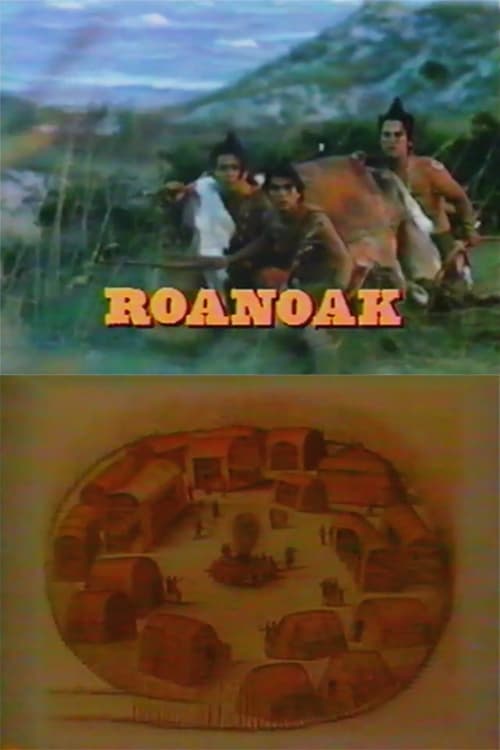
The story chronicles the first recorded meeting in the late 16th Century between British explorers-settlers and Native Americans in what is now North Carolina, and the conflicts that ensued between the two diverse cultures before this early settlement mysteriously vanished.
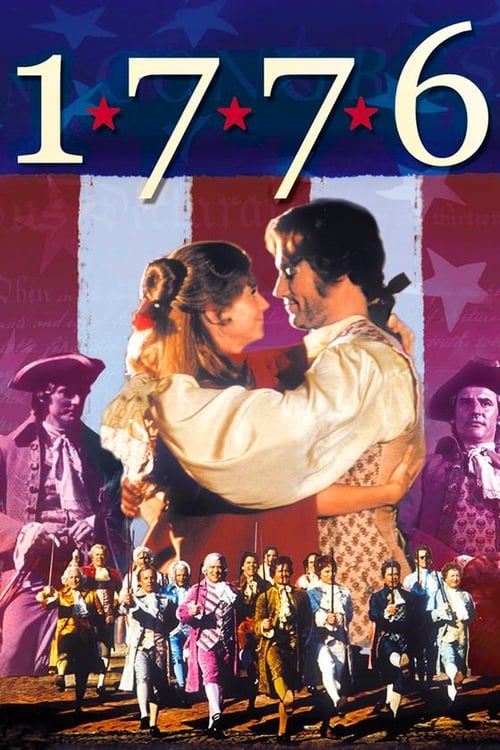
Colonial representatives gather in Philadelphia with the aim of establishing a set of governmental rules for the burgeoning United States. Benjamin Franklin and John Adams charge Thomas Jefferson with the task of writing a statement announcing the new country's emancipation from British rule.
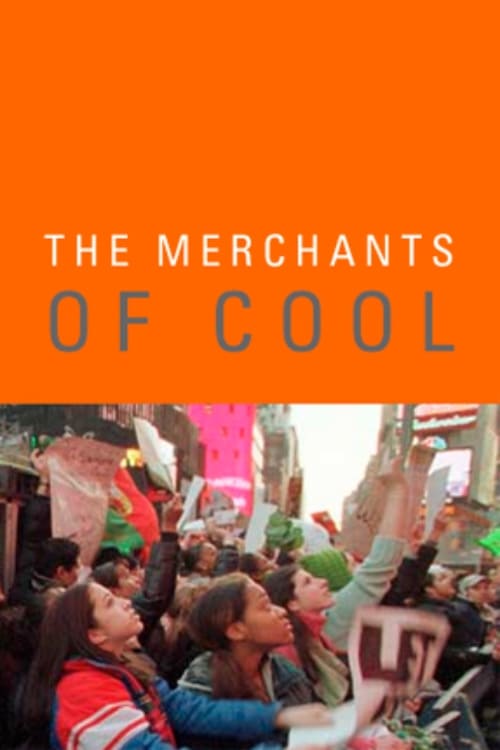
A documentary on the marketing of pop culture to Teenagers.

In the immediate aftermath of the fall of Srebrenica in 1995, Aida, receiving word that her sons who were taken by Serbian forces may be alive and held in a camp, launches a desperate search through a refugee center crowded with thousands of displaced women. As hope collides with silence, the women come to the realization that no outside help is coming unless they help themselves. Led by Aida, they confront the injustice and deceptions of a political system built on backroom deals with war criminals.
Follows the true-life story of Cuban exile turned social advocate, Alina Fernandez, whose birth was the result of the tryst between Revuelta and Castro. Revuelta sacrificed her and her physician husband’s personal belongings and finances to help fund the start of the communist revolution.
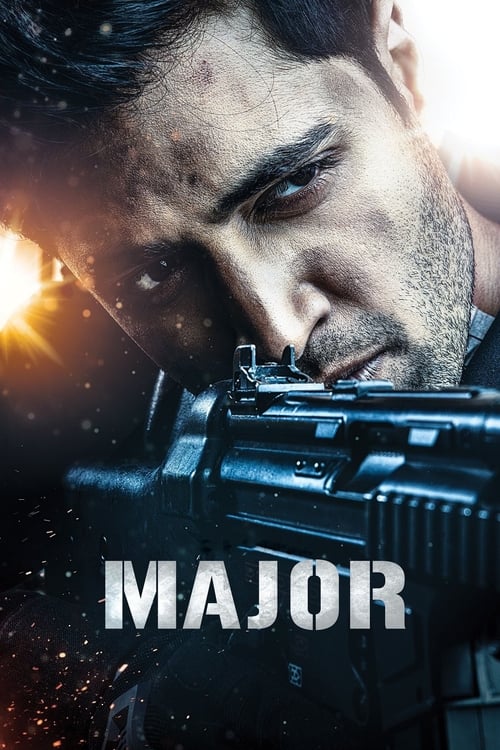
This biopic follows the life of Indian Army officer Major Sandeep Unnikrishnan, from his childhood to his heroic actions during the 2008 Mumbai attacks.

Summer 1900, Switzerland. Elisabeth, 17, is about to take her vows when the sudden death of her older sister forces her to leave the convent and return to the family farm. Stifled by the suffocating and strict rules of the village, walking in her sister’s step to uncover the mystery of her death, Elisabeth is slowly driven to rebel against the local order and for her right to live her life.

March 1943. In the middle of the Italian occupation of Corsica, two Communist resistance brothers strategically link up with two Italian trouffions in order to get the information necessary to organize the parachute drops on the Balagne. A real friendship is born between these men, the first steps of the reversal of the situation and of the alliance that followed the Allied landing in Ajaccio in September of the same year.
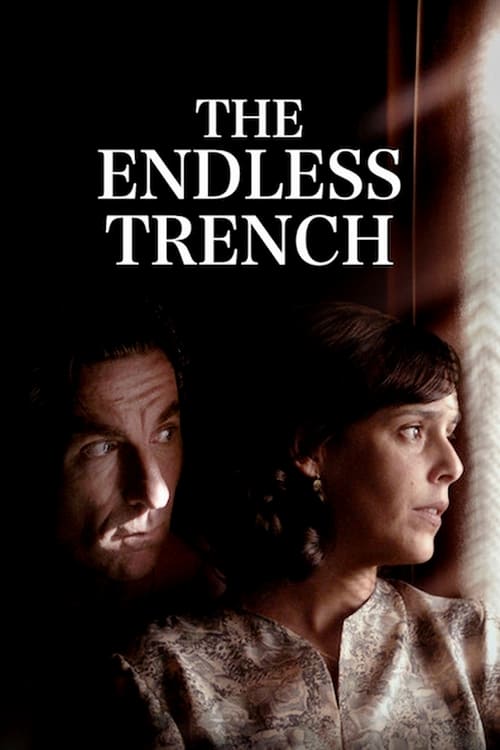
A small village in Huelva, Andalusia, Spain, 1936. Higinio and Rosa have been married only for a few months when the Civil War breaks out. Higinio, being afraid of possible reprisals from the rebel faction, decides to use a hole dug in his own house as a temporary hideout.
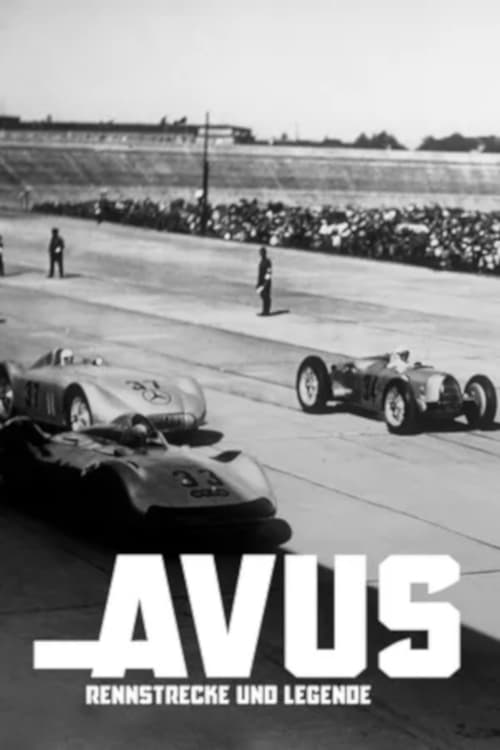
In autumn of 1921, the AVUS, the ‘Automobil-Verkehrs- und Übungsstraße’ (The automobile traffic and training road), was inaugurated in the southwest of Berlin with a car race. The two long straights, each ten kilometres long, were connected by two turns: It was a high-speed track which was meant to expedite the development of the automobile in Germany. The Documentary explores the moving story of the first cars-only road in the world.
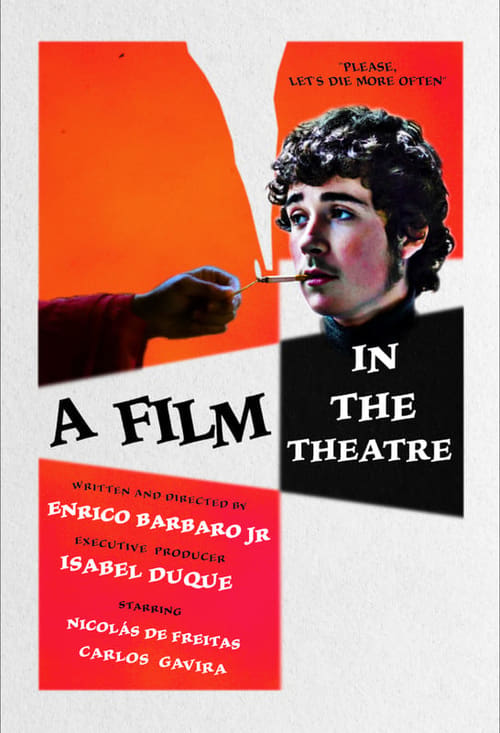
Eusebio José Fernández López Reboredo Bergamín is a teenager in the 1960s whose dream is to be a movie director, but General Francisco Franco prohibited in 1964 all types of art. A coincidental encounter with another artist, named Antonio Mínguez, will change his life.
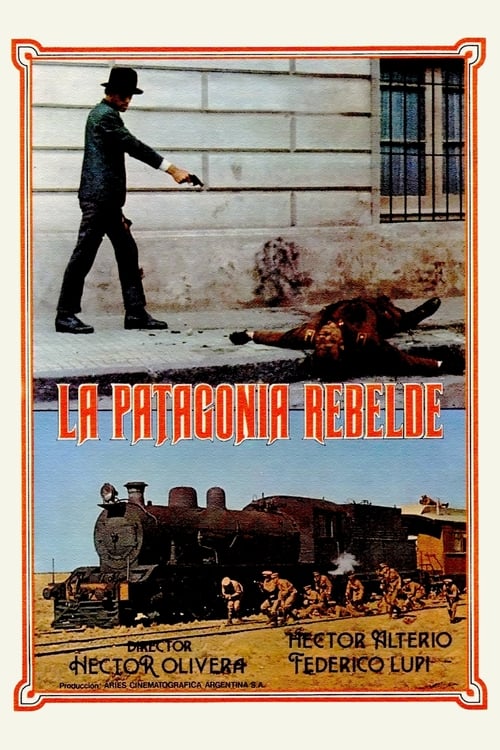
In 1920, workers from Patagonia, in Southern Argentina, gather around an anarcho-syndicalist society and go on strike, demanding better working conditions. When the situation turns unsustainable, President Yrigoyen sends Lieutenant Colonel Zavala to impose order.
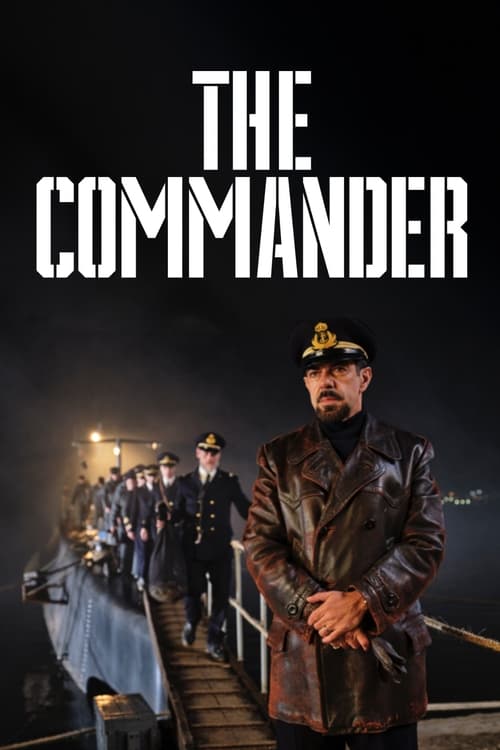
One dark night during the early phases of WWII, the Italian Royal Navy submarine Cappellini sinks an armed merchant ship sailing with lights out. At that moment, its commander Salvatore Todaro makes a decision that was destined to go down in history: to save the 26 shipwrecked Belgians who otherwise would have drowned in the middle of the Atlantic Ocean and disembark them at the nearest safe harbor. To make room for them on board his submarine, he is forced to navigate on the surface of the water for three days, visible to the enemy forces and endangering his life and that of his men.
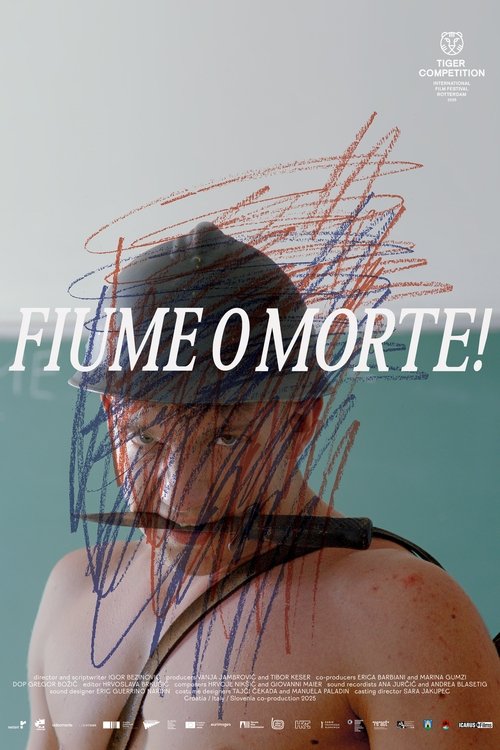
Through dramatic reconstruction and documentary asides, the spirit of Italian poet, playwright, journalist, aristocrat and army officer Gabriele D’Annunzio is captured, presenting the nascent fascism in his attempts to forge a new state in the aftermath of the First World War.