Protocol Archives • Browse all History titles in HD

Based on the true story of brothers Josef and Ctirad Mašín who, in 1953, tried to escape communist Czechoslovakia to join the US army in West Berlin.
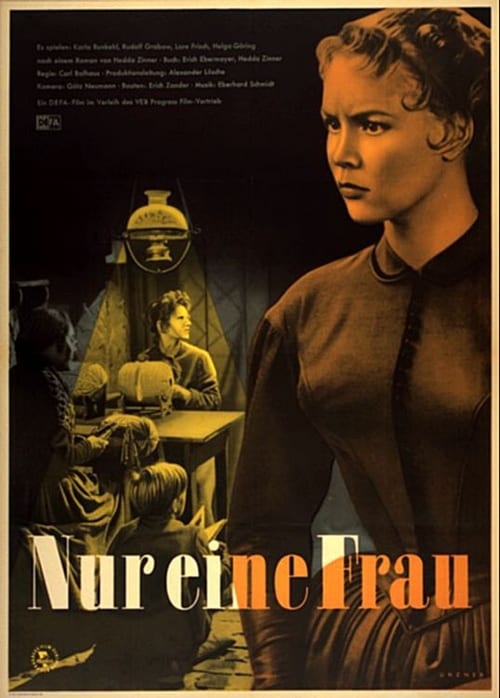
The film tells the life story of Louise Otto Peters, who in the middle of the XIX century in Germany for the first time raised a voice of protest against the unfair treatment of women and their labor. She created the first "women's newspaper" in Germany. The daughter of a famous lawyer, Louise could have easily arranged her life by marrying the wealthy Baron Rodern. But she chose a different purpose in life - to fight for equal rights for women. Through her articles and public speeches, she won the authority and respect of ordinary people.


The story of Judas's betrayal of Christ.

Old West highwayman Bill Miner, known to Pinkertons as "The Gentleman Bandit," is released in 1901 after 33 years in prison. A genial and charming old man, he re-enters a world unfamiliar to him, and returns to the only thing that gives him purpose — robbery.
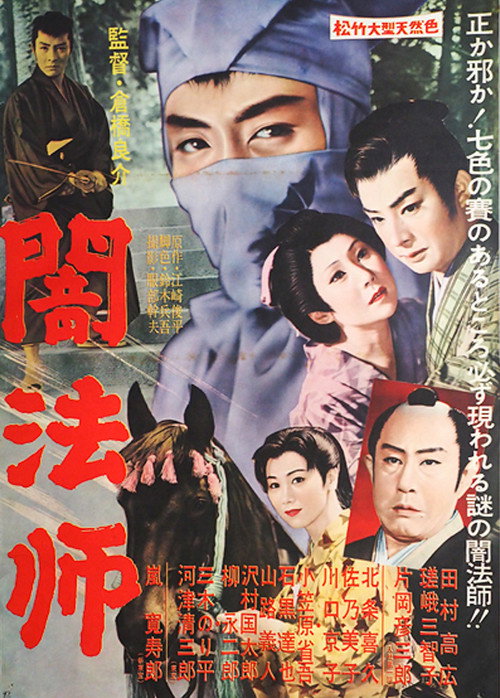

Heroine Black Rose disappeared from the world 30 years ago. Actually she was rejected by the man she loves, Lui Kei, and thus trapped him in a house. 30 years later, Black Rose meets a young man Ah Mo. The girl he loves Tic Tac is kidnapped by the evil Suen Mui Tong (Sour Plum Soup), so he asks Black Rose to help. Lui Kei while trying to talk Black Rose into saving Tic Tac finally falls in love with her. Suen Mui Tong discovers Black Rose is still alive, which brings up the history of hate between Black Rose and her mother...

A movie about the biblical episode, the first of the series.

Poland in the 80’s was a country ruled by crisis and a sense of hopelessness. Only few knew how to turn crisis into a business. It was a golden time for them. How did they know what would bring them money? How did they operate in a country where almost everything was forbidden?
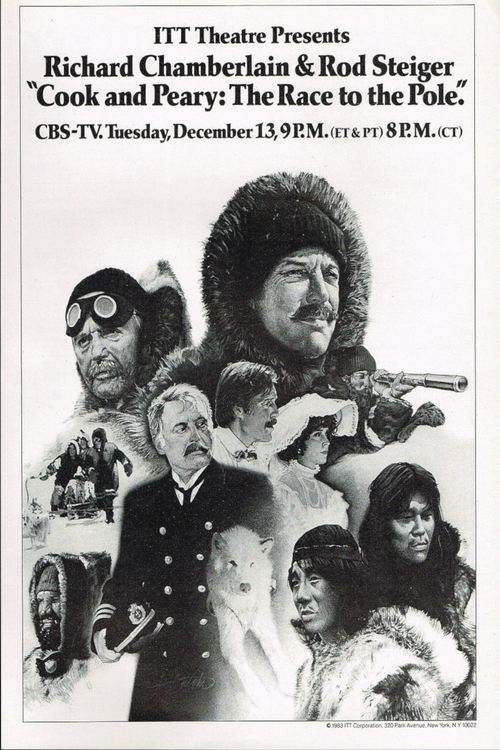
Cook and Peary: The Race to the Pole is an unabashedly biased recreation of the controversy concerning the "conquering" of the North Pole. Robert E. Peary (Rod Steiger), a US Navy commander and shameless self-promoter, sets out through Arctic wastes in 1909 to discover the Pole, an expedition that many others have attempted but failed to complete. His principal rival is Dr. Frederick A. Cook (Richard Chamberlain), who insists that he'd already reached the Pole in 1908. Though the experts (and the US Congress) conclude that Perry was first, public opinion is firmly in Cook's corner--as is this TV movie.
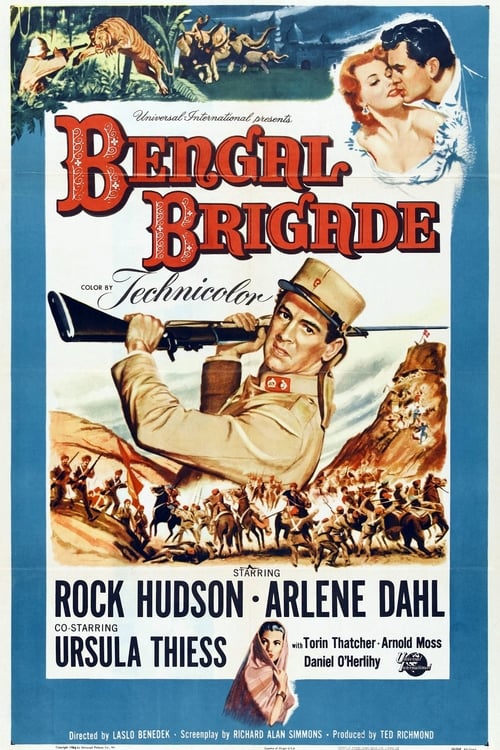
Year 1856, British India. Capt. Jeffrey Claybourne is severely punished after disobeying an order. Feeling unworthy of his fiancée Vivian Morrow, the daughter of his superior officer, Claybourne leaves the army until he could regain his reputation. When the Rajah Karam launches an attack on the British forces in India, Claybourne finds a chance at redemption.

Running the streets of Rome in 1960, an unknown, barefooted Ethiopian man stunned the world by winning Olympic gold in the marathon. Overnight, Abebe Bikila became a sports legend. A hero in his own country and to the continent, Bikila was the first African to win a gold medal, and four years later in Tokyo would become the first person in history to win consecutive Olympic gold medals in the marathon.

A portrait of Alexei Navalny (1976), the staunchest opponent of Russian President Vladimir Putin, severely poisoned in 2020, arrested in 2021 and died on February 16, 2024 in a Siberian prison camp under unclear circumstances.
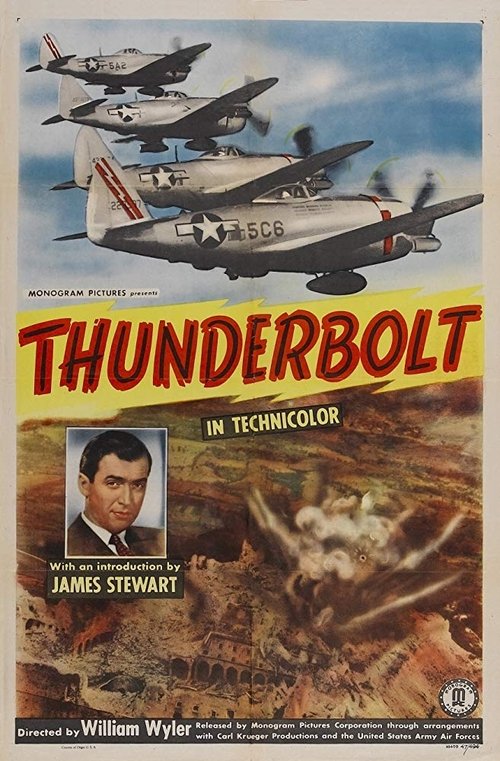
Documentary about the U.S. Air Force's P-47 Thunderbolt bomber's role in the Italian Campaign during WW2.

A documentary about gay male cruising and public sex and how it has changed over the years.
In the middle of the 19th-century, when the social structure of Europe is about to be reshaped, the world of music is shaken by one man: Richard Wagner.

'To the May sun of a September life', wrote Henrik Ibsen on the photograph of himself that he gave to 19-year-old Emilie Bardach in Gossensass in September 1889. This is a documentary about the sixty-second year in the life of the great Norwegian dramatist.

In the spring of 1980, Esther Jochmann, a young Austrian woman, flies to San Salvador. Her husband, a journalist, has been killed. She has to identify his corpse so that the authorities will allow it to be transferred to Europe. She learns that Archbishop Oscar Romero, who was also a victim of an assassination, had granted a taped interview to her husband. Padre Manuel hands the tape over to her. Esther accompanies the Padre and John, an American reporter, who are trying to find the murderers.