Protocol Archives • Browse all History titles in HD
A dialogue between two historical personalities, during which a political transaction takes place and the moral face of both personalities is revealed.
Short film about the well-known serial killer John Wayne Gacy

Based on the "2.26 Incident", an attempted coup d'état in Japan 1936, launched by radical ultra-nationalist parts of the military. Several leading politicians were killed and the center of Tokyo was briefly held by the insurgents before the coup was suppressed.
In a remote village in Karelia, Sergeant Vaskov commands an anti-aircraft unit that protects a rail depot. While his men are transferred to the front line, he is reprimanded for their unruly behavior. He retorts that he wants replacements that aren't drunks or womanizers. In response, he is assigned a unit made up entirely of young women, fresh from training.

In the film OJO GUAREÑA we join a group of speleologists that enter the gigantic cave of the same name in Spain. We barely notice the prehistoric traces and the contours of the spaces, but we hear all the better: drops of water that have for ages been recreating the shape of the cave and continue to do so to date, as well as echoes of human footsteps. Rubio punctuates this soundscape with memories of the speleologists and revolutionary songs that denounce Franco's dictatorship. A journey through space and time.

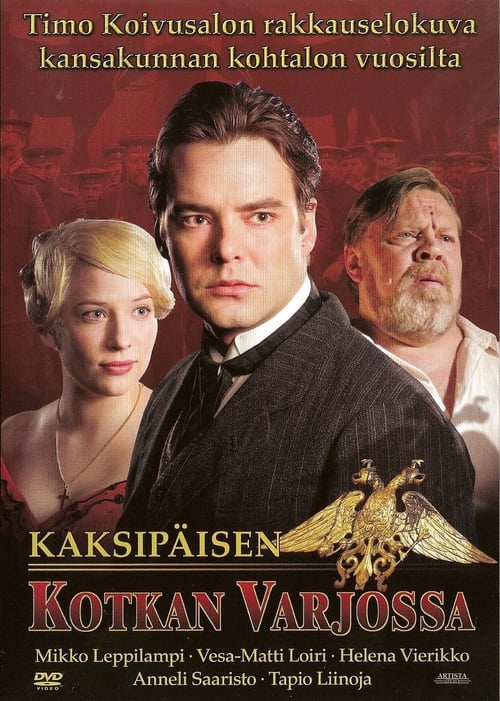
The story of a young poet who became a symbol for Finnish optimism and was subsequently forced underground during Tsar Nicholas II's oppressive dictatorship.
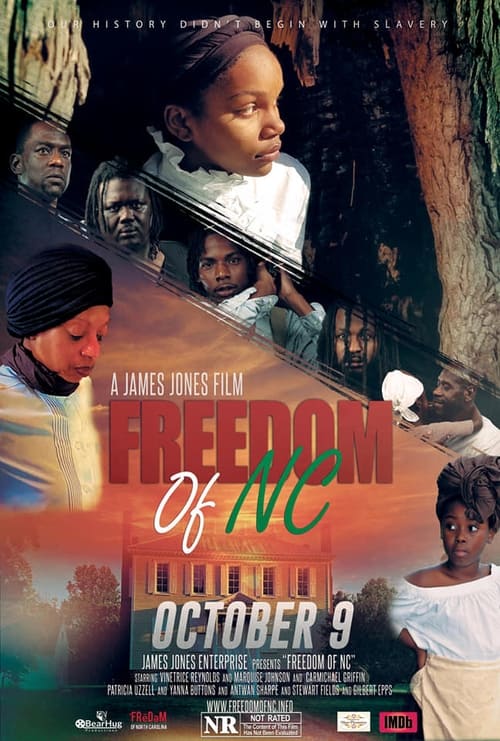
14 yr old Sarah Jones portrays the daily struggles of a little slave girl until she sees the light! Sarah will be compared to all the greatest female abolitionists of our time!
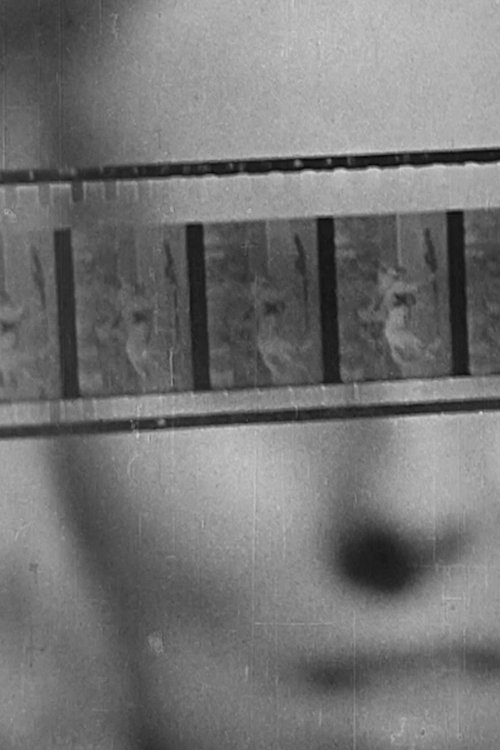
The prehistory of the cinema as we know it today, with its great inventors: Marey, Muybridge, Reynaud, Edison, the brothers Lumière and their great inventions: the kinetoscope, the praxinoscope, the chromophotograph, the film camera.
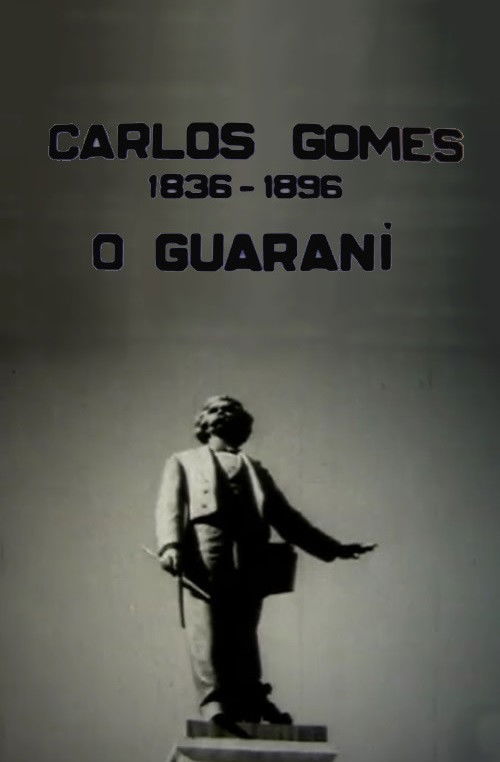
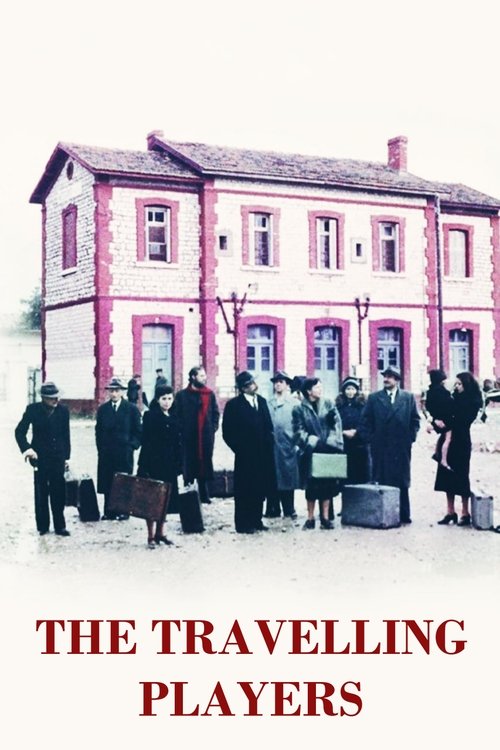
A traveling theatre troupe tours the Greek countryside from 1939 to the early 1950s, staging “Golfo the Shepherdess”. As the years pass, its members endure persecution, betrayal, executions, and exile. Their personal stories become entangled with the country’s major historical events, in a seemingly endless cycle of violence and loss.
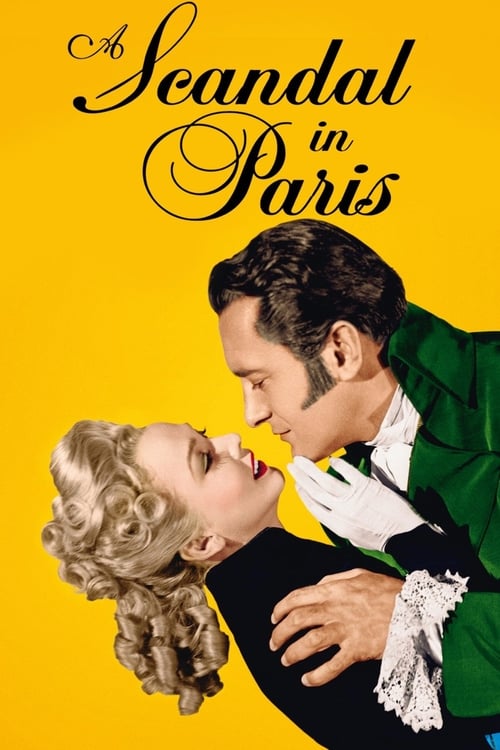
A smooth-talking French thief wangles his way into an important position as prefect of police.
Based on true and tragic events in the life of Vitaly Kaloyev, an architect and family man. In 2002, his wife and children die in a mid-air collision along with 70 other people, mostly children. Vitaly is one of the first people to discover the bodies of his family at the site of the crash. The blame is put on the company responsible for monitoring the air space, as well as the lone air traffic controller on duty at the time. Two years later, after much obstructed efforts to get apologies and answers, Vitaly flies to Switzerland to obtain justice.

1940, Jeanne Reichenbach turns her back on a peaceful life to link her destiny to Léon Blum. She's been loving him since her teenage years, and is ready to sacrifice her freedom to mary him at Buchenwald, where he's held prisoner. They will survive together.

A film which highlights the role of a great leader as being the epi-center of the freedom struggle of India in 1857, against the British Empire.
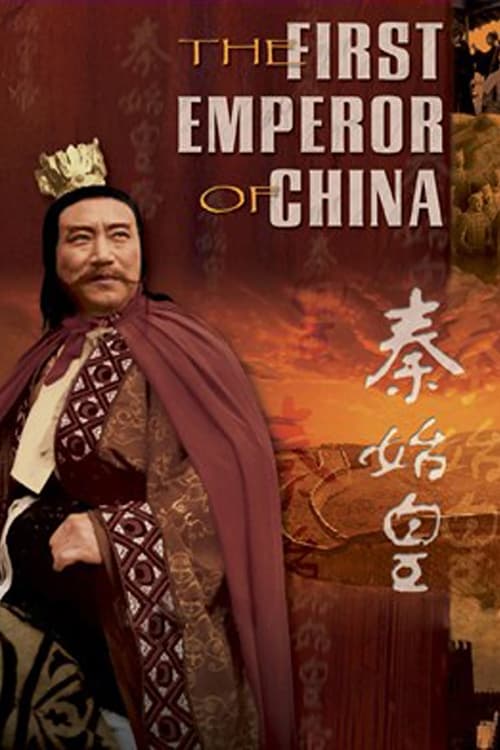
This historical drama tells the story of Qin Shihuang, who unified China's vast territory and declared himself emperor in 221 B.C. During his reign, he introduced sweeping reforms, built a vast network of roads and connected the Great Wall of China. From the grandiose inner sanctum of Emperor Qin's royal palace, to fierce battles with feudal kings, this film re-creates the glory and the terror of the Qin Dynasty, including footage of Qin's life-sized terra cotta army, constructed 2,200 years ago for his tomb.
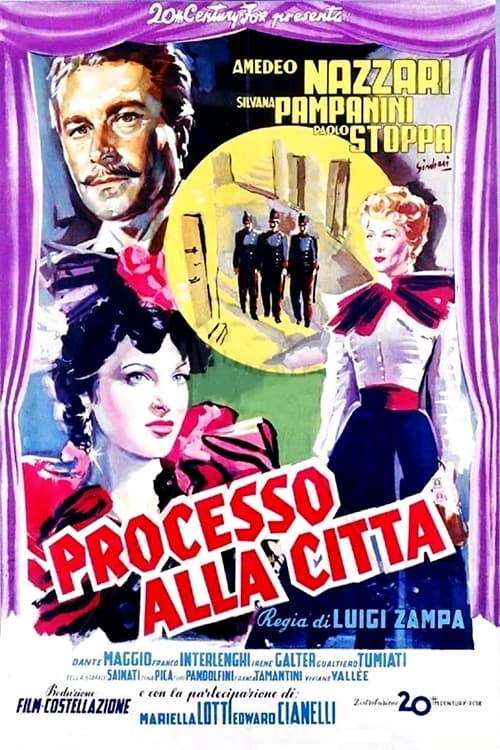
Turn-of-the-century Naples. Salvatore Ruotolo and his wife are murdered and their bodies are found in different locations. Since the evidence points to a crime by the Neapolitan crime organization, the Camorra, fear and corruption cause serious hindrances to the investigation by police authorities. In charge is a young and courageous judge who, using evidence discovered by chance, tries to reconstruct the story of the double murder. The plot that the judge must unravel is very complicated.
In the first half of the 19th century there was a revolt in the central state of Hesse, led by Georg Büchner (Gregor Hansen), the well-known German writer, and a fellow rebel, Pastor Weidig (Franz Wittich). Büchner wrote a kind of declaration of peasant rights against the tyranny of the landholders of the time, and once that declaration ("Der Hessische Landbote") was made public, Büchner escaped to Strasbourg, and then to Zurich where he was killed in 1937, at the age of 23. Pastor Weidig was captured, sent to prison, tortured, and killed in prison. The revolution the two men had hoped for died on the vine due to an informer -- a planned uprising was brutally squelched -- and the peasants had to bide their time for another 12 years before the 1848 Revolution would bring them some of the rights demanded in Büchner's pamphlet.
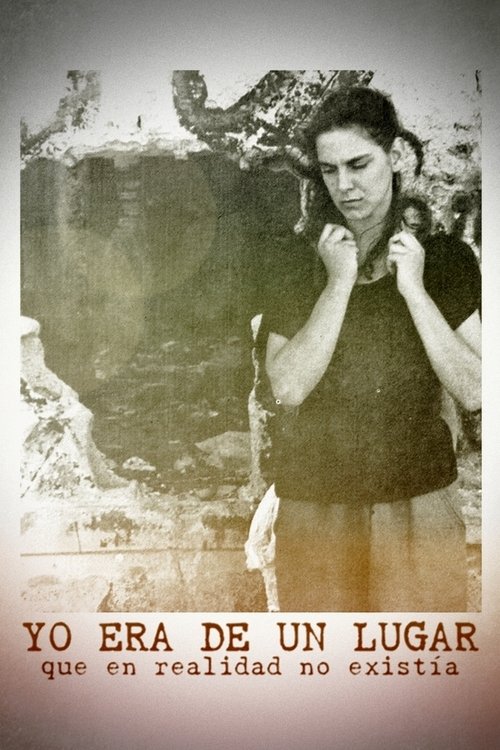
When people from different generations meet in Montevideo to remember their years of exile in Mexico and Europe due to the military dictatorship, they realize that Uruguay is not the same country they had to leave.